How To Attract Birds To Your Yard And Feeders
Learning how to attract birds is less about one magic feeder and more about making your yard feel safe, reliable, and worth revisiting. Birds are looking for food, clean water, nearby cover, and a place where they can land without feeling exposed. A new feeder can help, but it works best when it is clean, visible, protected from trouble, and stocked with food that common backyard birds actually use.
For most beginners, the best starting point is simple: offer quality seed, place the feeder near natural cover but away from obvious predator hiding spots, add fresh water, keep the area clean, and be patient. Cornell Lab’s bird-feeding guidance notes that sunflower is a strong general seed choice, while filler-heavy mixes can create waste when birds sort through less-preferred grains.
This guide is written for ordinary U.S. yards, patios, balconies, small gardens, and suburban spaces. Results vary by region, season, habitat, weather, and which birds already live nearby, but the steps below give birds more reasons to notice your space and come back responsibly.
Start With What Birds Need Most
Birds visit a yard when it offers useful resources with low risk. In practical backyard terms, that means food, water, cover, and safety. A feeder alone can catch attention, but a feeder plus shrubs, a bird bath, and a calmer corner of the yard usually feels more inviting.
Think of your yard from a bird’s point of view. Is there a quick perch nearby before landing at the feeder? Is the feeder exposed to outdoor cats, heavy foot traffic, or a reflective window? Is the seed fresh, or has rain turned it clumpy? These details matter more than beginners expect.
A simple beginner setup can be:
- One easy-to-clean feeder with sunflower seed or a quality mix.
- One shallow bird bath or water dish kept fresh.
- Nearby shrubs, small trees, or potted native plants for cover.
- A quiet location where you can still reach the feeder for cleaning.
- A plan for seed hulls, spilled food, squirrels, and sanitation.
The National Wildlife Federation describes wildlife habitat around basic needs such as food, water, cover, and places to raise young, and Audubon’s native plant resources emphasize choosing plants suited to your area. In a backyard, you can support those same basics at a small, manageable scale.
Choose The Right Feeder For Your Space
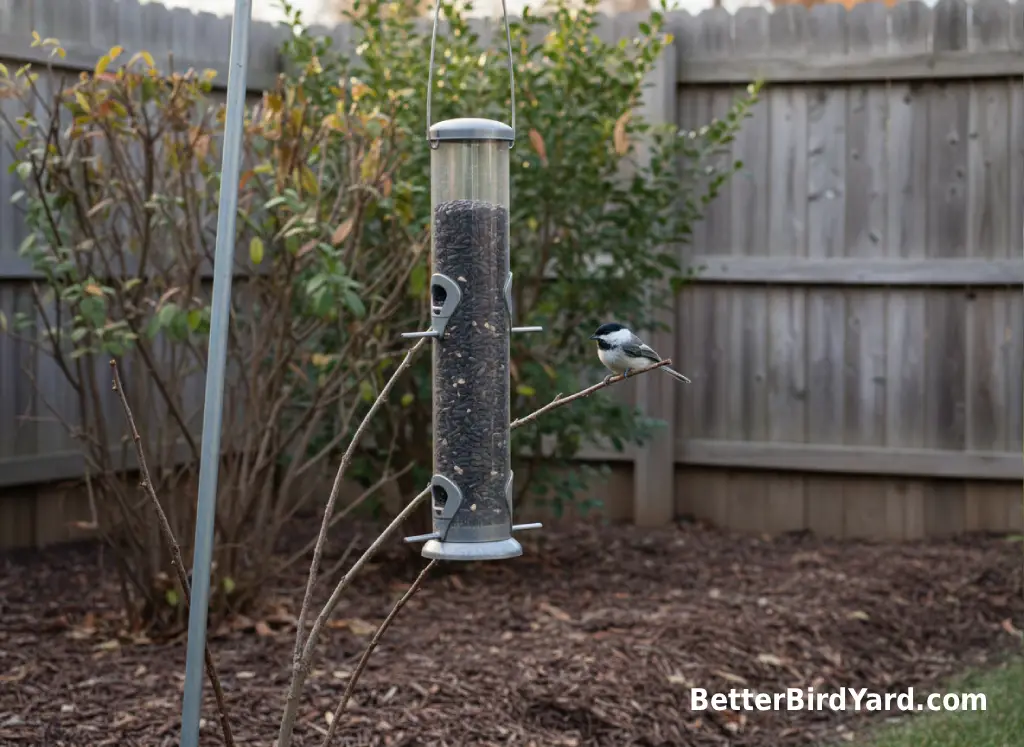
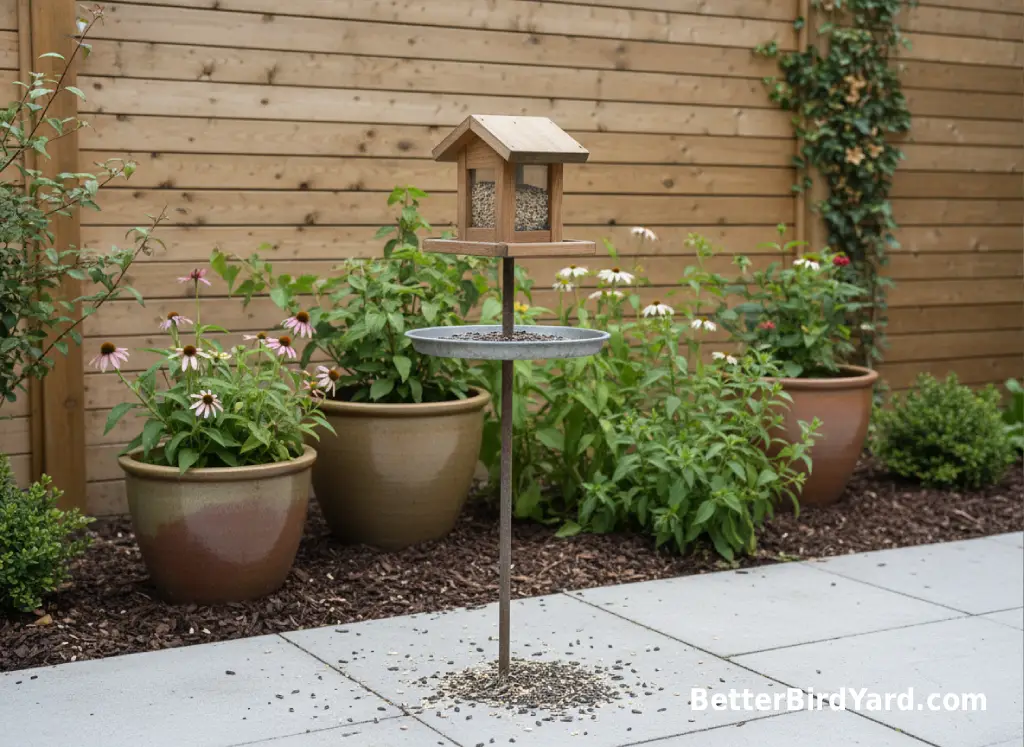
The best feeder is the one you can keep clean and refill without turning bird feeding into a chore. Tube feeders work well for many small perching birds. Hopper feeders hold more seed and are easy for beginners to understand. Platform feeders are visible and welcoming, but they also expose food to rain, droppings, squirrels, and larger birds, so they need more frequent attention.
For a small patio or rental space, a compact tube feeder or clamp-on deck feeder may be enough. Check lease, HOA, balcony, and local rules first, especially where spilled seed could attract rodents or where feeding wildlife is restricted. Do not assume every building or town allows the same setup.
If your goal is how to attract birds to a feeder that is brand new, avoid starting with three or four feeders at once. Start with one clean feeder in a good location and learn what happens. Once birds are visiting regularly, you can add a second food type or feeder style if it solves a real need.
| Feeder Type | Best For | Beginner Watch-Out |
|---|---|---|
| Tube Feeder | Small perching birds such as finches, chickadees, and titmice | Ports can clog if seed gets wet |
| Hopper Feeder | Mixed backyard visitors and easy viewing | Large seed capacity can hide old seed if not checked |
| Platform Feeder | Cardinals, doves, jays, and birds that prefer open feeding | Needs frequent cleaning and protection from wet food |
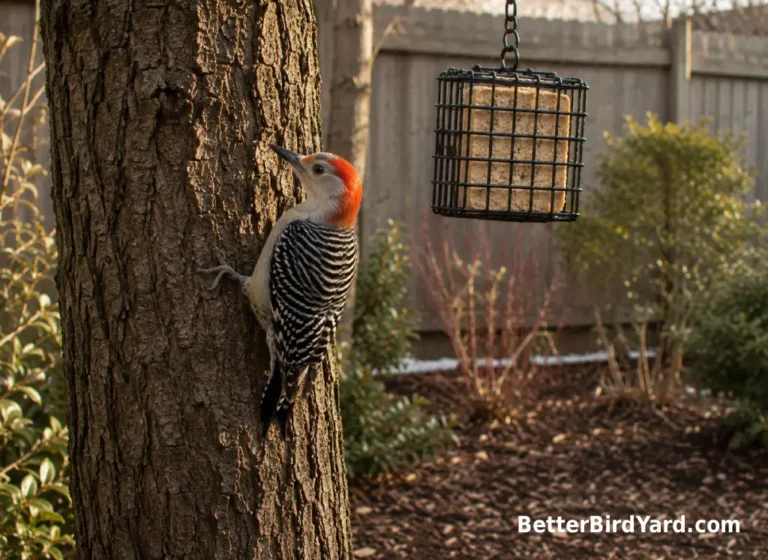
| Suet Cage | Woodpeckers, nuthatches, chickadees, and winter feeding | Suet can spoil or soften in hot weather |
| Nyjer Feeder | Goldfinches and some other small finches | Nyjer can go stale, so buy smaller amounts |
Pick Food Birds Are Likely To Recognize
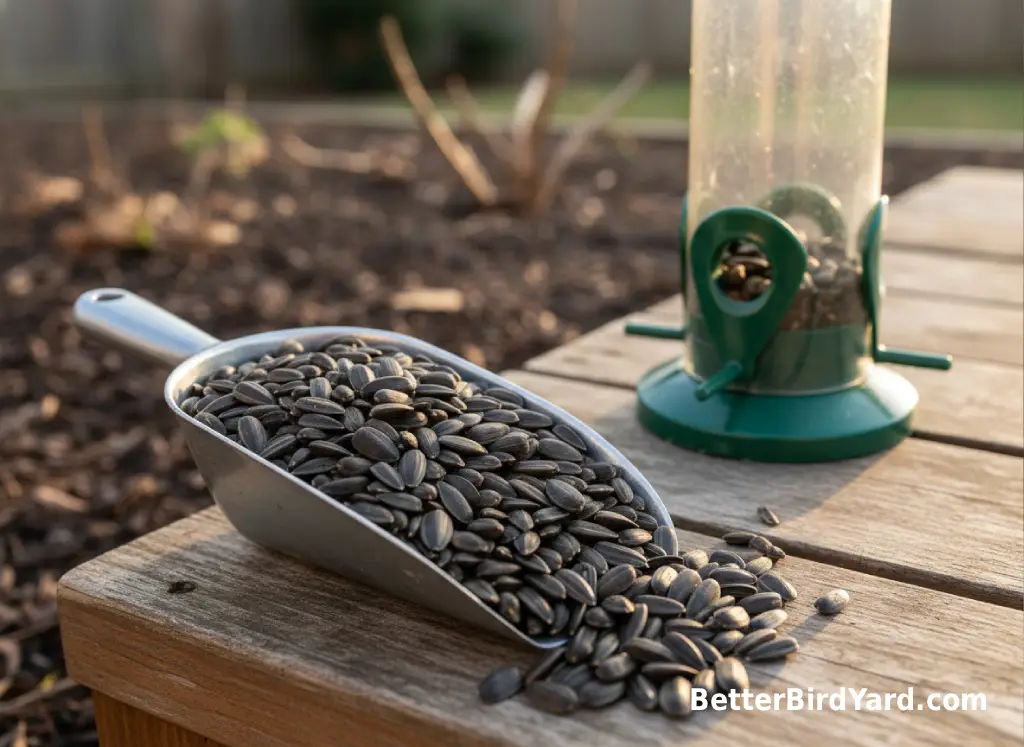
Food choice is one of the fastest ways to improve a quiet feeder. Black oil sunflower seed is a dependable starting point for many seed-eating backyard birds. Safflower can be useful in some yards, especially when you want a seed that cardinals and some other birds may use while squirrels may be less enthusiastic. Nyjer is more specialized for finches. Suet is often useful for woodpeckers, nuthatches, chickadees, and cold-weather feeding, but it must be kept fresh.
Cornell Lab’s seed guidance describes sunflower as a mainstay for attracting a wide variety of birds and notes that filler-heavy mixes with less-preferred grains can lead to waste as birds sort through them. That sorting is more than a neatness problem. Seed waste under a feeder can draw rodents, become moldy, and make the area less healthy for birds.
A practical food plan for beginners:
- Start with black oil sunflower seed or a quality no-filler blend.
- Add safflower or a platform feeder if you are trying to attract cardinals.
- Use nyjer only in a proper finch feeder and buy it fresh in small bags.
- Offer suet in cooler weather or use no-melt styles where appropriate.
- Avoid bread, salty snacks, moldy seed, spoiled fruit, and stale food.
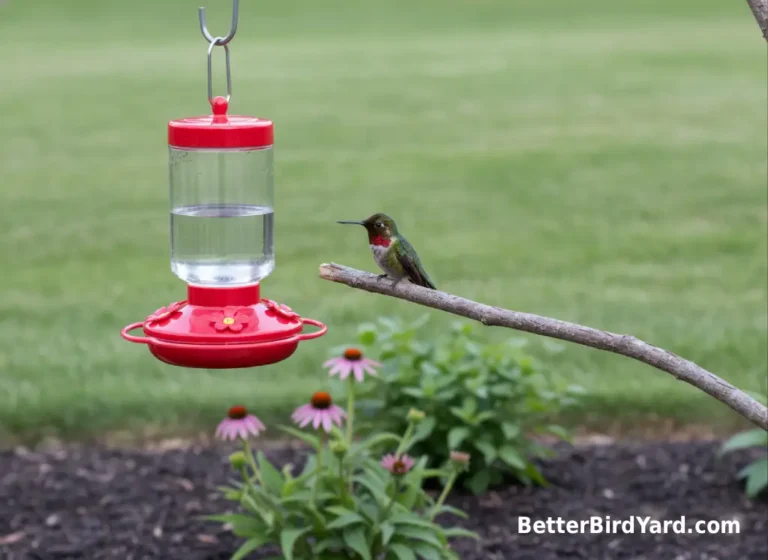
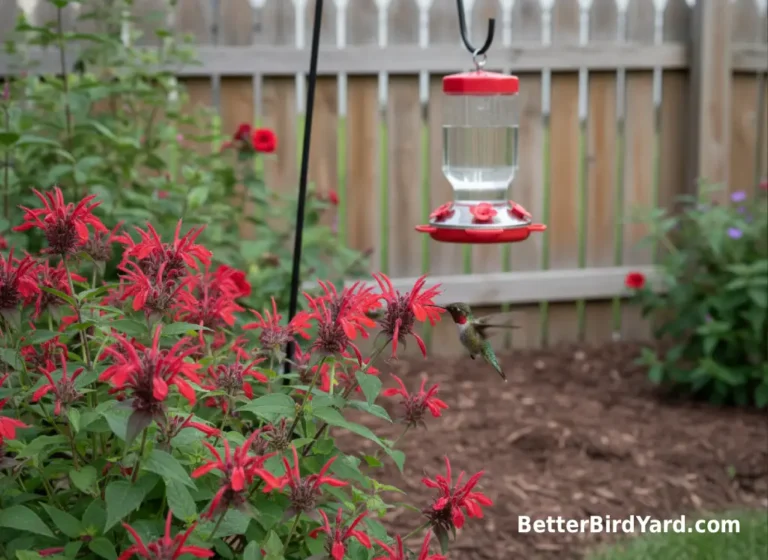
For hummingbirds, use plain white sugar and water, not honey or red dye. Audubon describes a 1:4 solution of refined white sugar to water as the homemade hummingbird nectar, and Cornell notes that red coloring is unnecessary because flower nectar is clear.
Place A New Feeder Where Birds Feel Safe
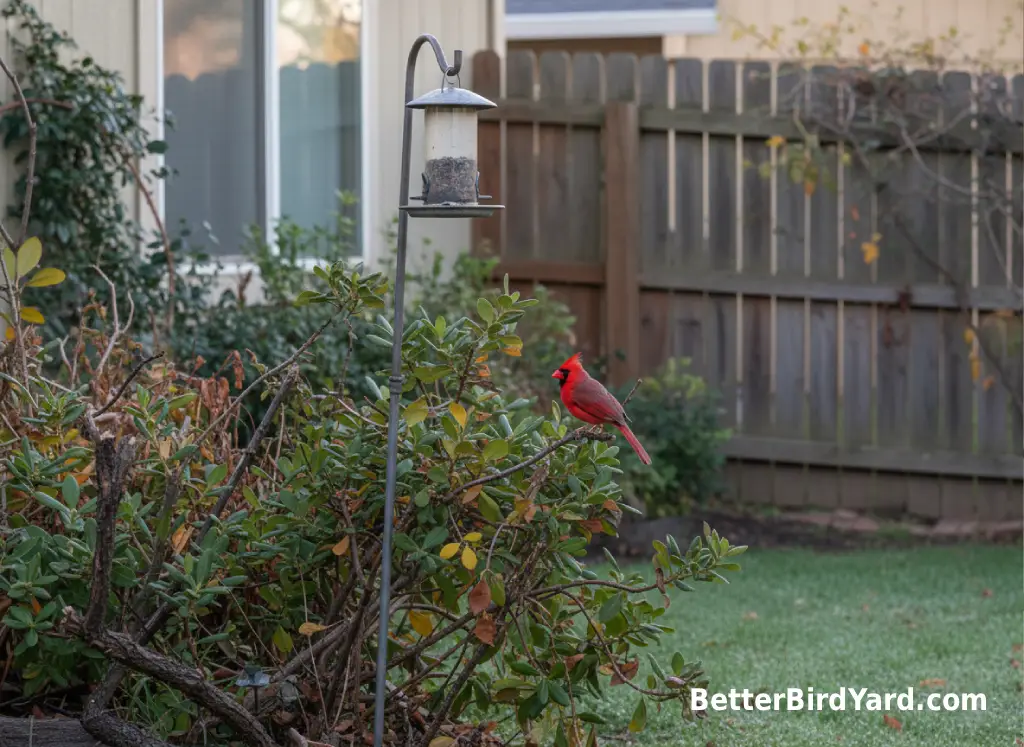
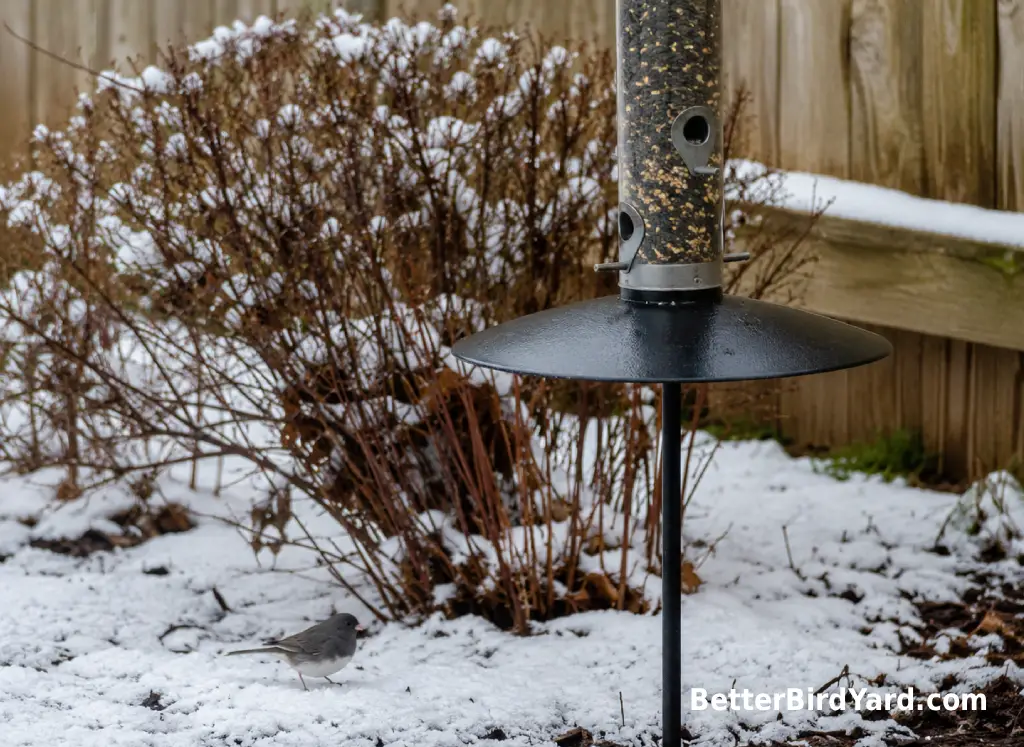
Birds often investigate from cover before committing to a feeder. A feeder placed near shrubs, small trees, or a brushy edge gives birds a place to pause, watch, and escape. At the same time, a feeder pushed deep into dense cover can give cats or other predators hiding places. Aim for a balance: close enough to cover to feel safe, open enough that birds can see danger.
Window placement also matters. Feeders very close to glass can reduce high-speed impact risk because birds do not have much room to build speed, while feeders farther away from windows should be paired with collision prevention on reflective glass. American Bird Conservancy recommends treating windows to help birds see glass, and it pairs window safety with actions like keeping cats indoors and planting native plants.
For a new bird feeder, visibility matters. Birds may not immediately recognize a feeder tucked under a deck roof or hidden behind patio furniture. Place it where birds naturally travel: near shrubs, along a fence line, near a garden bed, or within sight of existing bird activity. Avoid spots with constant door slamming, loose dogs, outdoor cats, or heavy foot traffic.
A common mistake we see is moving a new feeder every two days because birds have not found it yet. Give birds time to notice it. If seed is fresh and the location is safe, leave it in place for at least a couple of weeks before making major changes.
How To Attract Birds To A New Feeder
A new feeder can sit unnoticed for days or even weeks, especially if birds already have natural food nearby or if your yard has little cover. That does not mean the feeder is wrong. Birds learn safe feeding spots gradually.
Use this simple sequence:
- Fill the feeder only partway so seed stays fresh while traffic is low.
- Use one familiar food, such as black oil sunflower seed, instead of a confusing mix.
- Keep the feeder in one good location long enough for birds to discover it.
- Add water nearby, but not so close that seed hulls constantly fall into it.
- Keep the ground below clean so the setup does not attract rodents.
- Watch the yard at quiet times, especially morning and late afternoon.
For winter, attracting birds to a new feeder may be easier in some areas because natural food can be harder to find, but cold weather also makes maintenance important. Snow, freezing rain, and wet seed can clog ports or spoil food. Use smaller refills, check the feeder after storms, and clear built-up hulls from trays and the ground.
Editorial note: In a small yard, we would rather see one clean, well-placed feeder than four feeders that are hard to maintain. A simple setup gives birds a reliable stop and gives you a routine you can keep.
Use Water To Make Your Yard More Noticeable
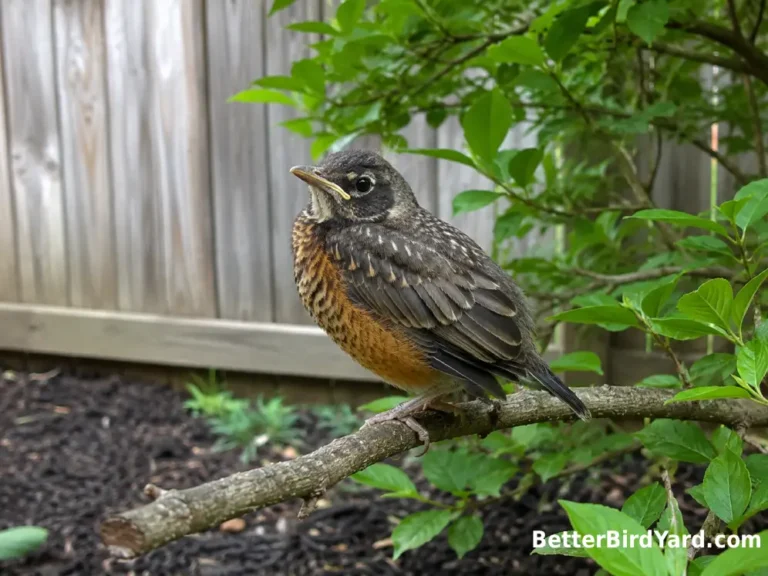
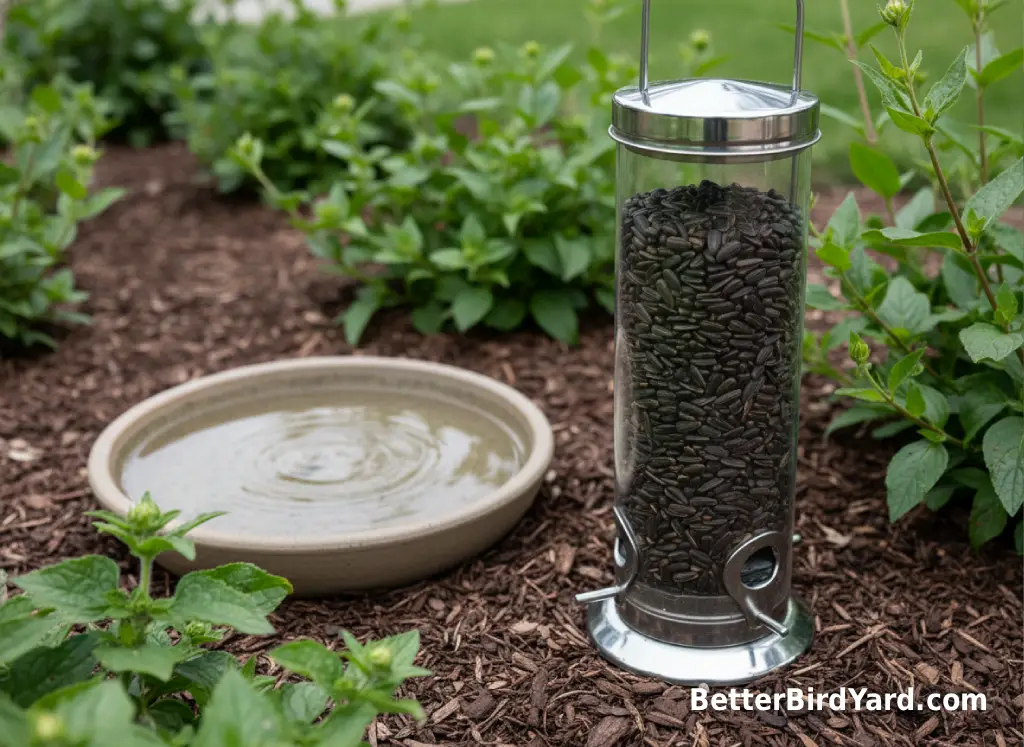
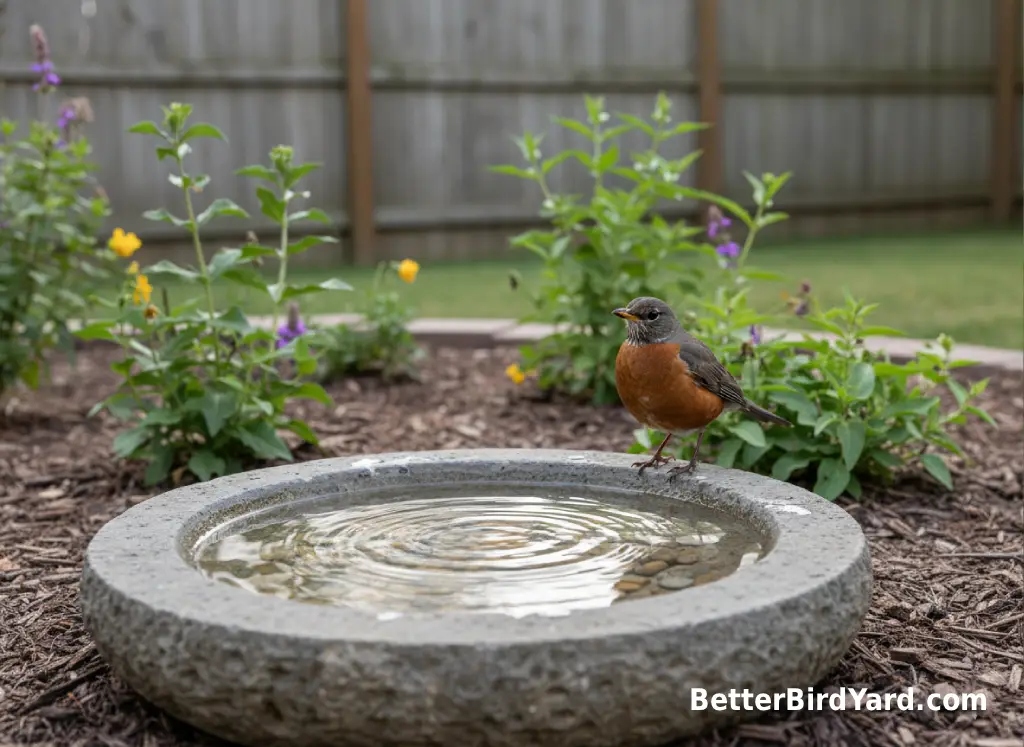
Water can attract birds that never bother with seed feeders. Robins, waxwings, warblers, and other birds may stop for drinking or bathing even if they are not interested in sunflower seed. A shallow bird bath, a wide plant saucer, or a small patio water dish can work if it is easy to clean and placed safely.
Keep water shallow enough for birds to use comfortably, and add a few clean stones if the basin feels too deep or slippery. Fresh water is especially helpful during hot spells, dry weather, and freezing periods, but stagnant water can become unpleasant quickly. Dump, rinse, and refill often, and scrub away algae or droppings when you see them.
Place water near cover, but not hidden in dense shrubs where predators could lurk. A bird bath also needs to be close enough to your routine that you will actually maintain it. If you never walk by that corner of the yard, the bath may be forgotten.
Add Cover With Native Plants And Simple Habitat
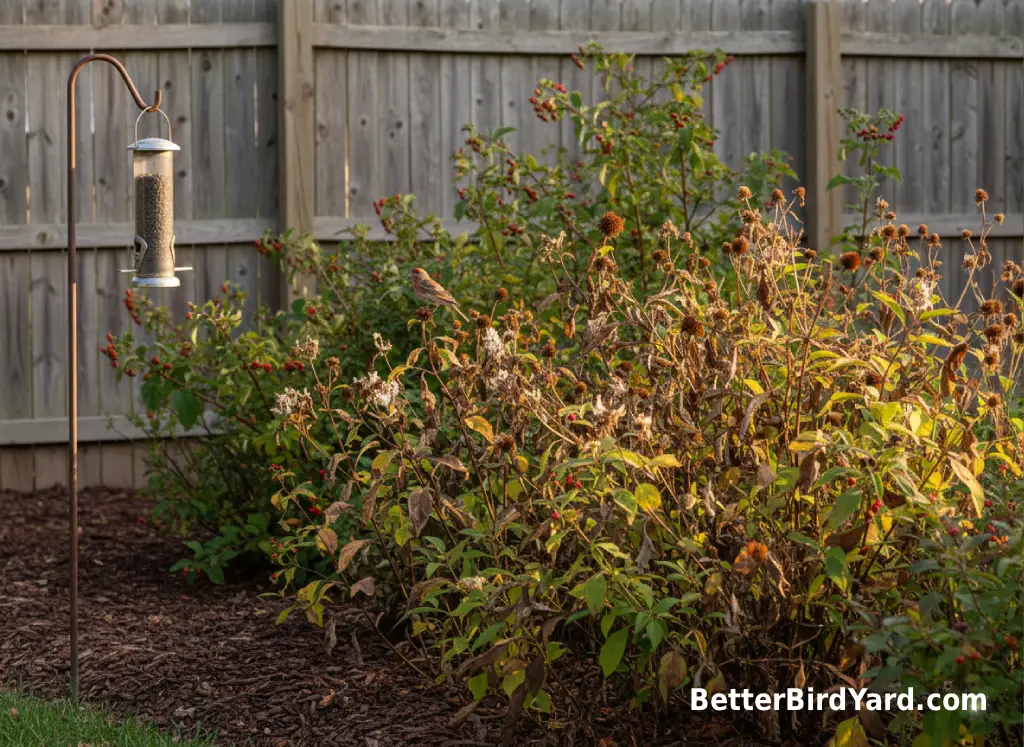
Feeders are useful, but plants are what make a yard feel alive to birds. Native shrubs, small trees, grasses, and flowering perennials can provide seeds, berries, insects, perches, nesting cover, and shelter from weather. Audubon’s Plants for Birds program is built around finding native plants that fit your area, because the best choices vary across the United States.
For a beginner, this does not have to mean redesigning the whole yard. Add one native shrub near a fence line, leave some seedheads standing through fall, or plant a container with native flowers on a patio if your space is small. Even a renter can sometimes add potted plants, a small water dish, and a temporary feeder stand if local rules allow.
Dense cover helps birds feel safer, but keep feeder visibility in mind. A feeder buried inside thick shrub growth can make it harder for birds to watch for predators and harder for you to clean spilled seed. A good layout gives birds nearby perches without turning the feeder area into a hidden mess.
Skip invasive plants, and be cautious with pesticides around bird-friendly areas. Birds rely on insects and other natural foods, especially during nesting season, and broad chemical use can reduce the yard’s food web. Choose local extension resources, native plant societies, or Audubon’s database when deciding what belongs in your region.
Attract Cardinals Without Overpromising
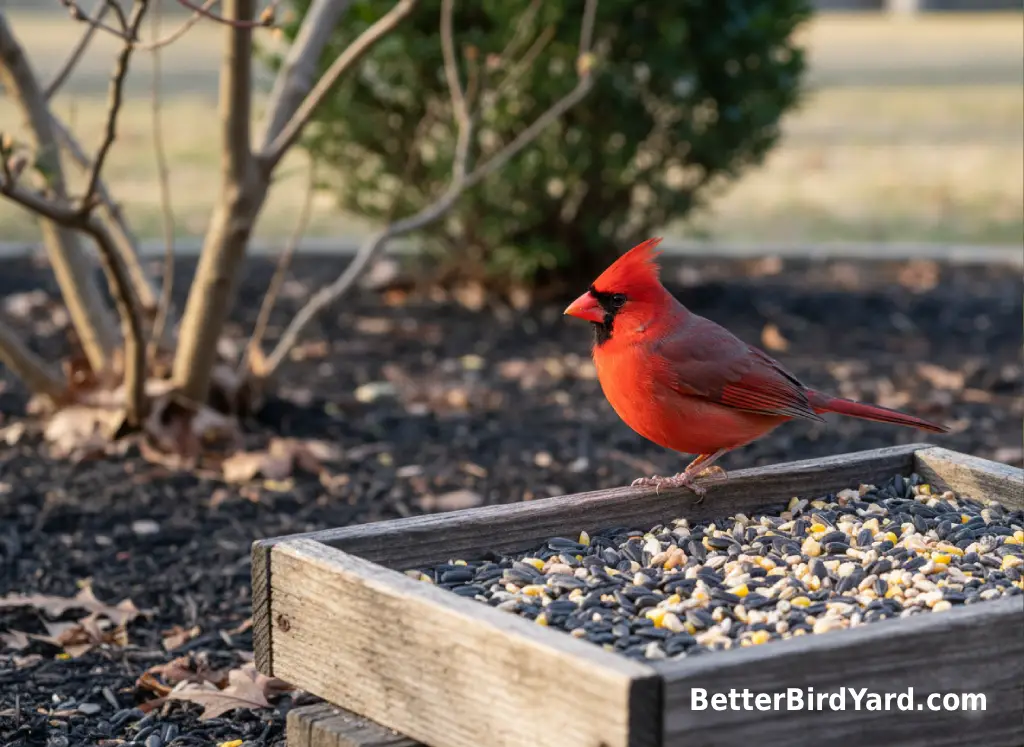
Many readers want to know how to attract cardinals, and the honest answer is: make your yard easier for cardinals to use if they already live nearby. You cannot guarantee a cardinal visit in every yard, but you can improve the odds with the right food, feeder style, cover, and patience.
Northern Cardinals often use platform feeders, hopper feeders, and wide trays more comfortably than narrow, swinging feeders. Black oil sunflower seed and safflower are good starting foods. Nearby shrubs or small trees give cardinals a place to pause before feeding, and they often prefer calmer edges rather than exposed feeder poles in the middle of a bare lawn.
What helps cardinals:
- A stable platform, tray, or hopper feeder.
- Sunflower seed, safflower, or a simple quality blend.
- Shrubby cover near the feeding area.
- Low disturbance during early morning and late afternoon.
- Fresh water in a shallow bath.
What does not help is constantly changing the setup or using cheap mixes that leave piles of rejected grain. Cardinals are also vulnerable to the same yard risks as other birds: outdoor cats, dirty feeders, reflective windows, and spoiled food.
Keep Feeders Clean Enough For Birds To Return Safely
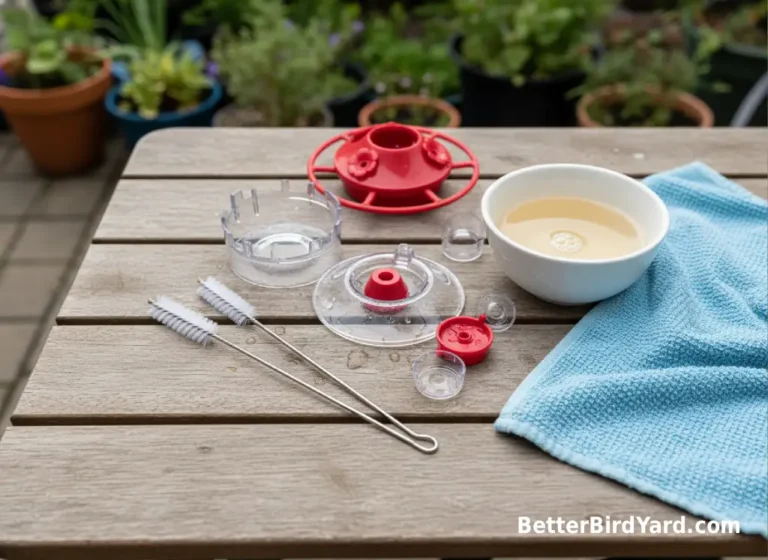
Clean feeders are part of responsible bird feeding. Birds crowding at dirty feeders can face higher disease risk, and old seed can become damp, moldy, or contaminated. Cornell Lab recommends taking feeders apart, scrubbing away debris, rinsing thoroughly, and allowing feeders to dry before refilling; it also describes a dilute bleach soak as an effective sanitation step when used carefully and rinsed well.
Audubon, citing Project FeederWatch, notes that seed feeders are commonly cleaned about every two weeks, with more frequent cleaning if disease is suspected. In real backyard terms, clean sooner whenever you see wet seed, droppings, clumps, mold, cloudy nectar, sour smells, or many birds crowding the same small feeder.
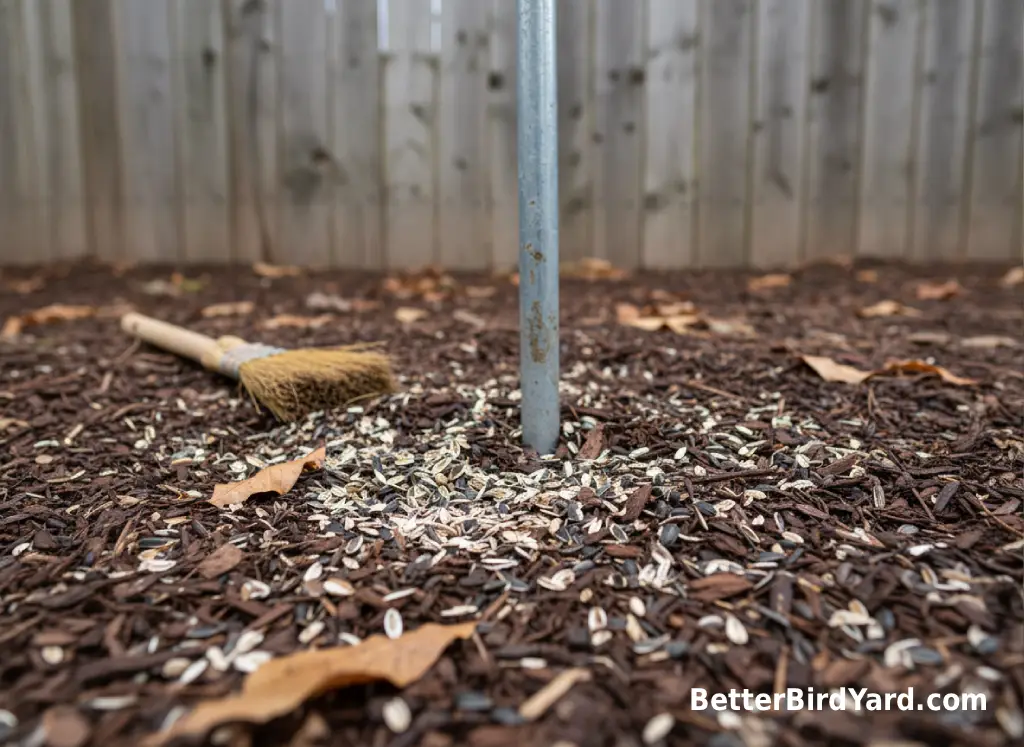
Keep the ground below feeders clean, too. Rake or sweep seed hulls and spilled food before they build up. Store seed in a dry, sealed container where insects and rodents cannot get into it. Fill feeders with smaller amounts during rainy weather or while a new feeder is still being discovered.
During unusual mortality events, USGS National Wildlife Health Center updates have included guidance to cease feeding temporarily and clean feeders and baths.
Avoid The Mistakes That Keep Birds Away
Sometimes the problem is not that birds cannot find the feeder. It is that the yard is sending mixed signals. Food may be available, but the location feels unsafe, the seed is stale, the feeder swings too much, or the ground underneath has become messy.
Common mistakes include:
- Using bargain seed mixes with lots of filler that birds scatter.
- Letting wet seed sit in ports, trays, or platform feeders.
- Placing feeders where outdoor cats can stalk from cover.
- Putting feeders near untreated reflective windows.
- Moving a new feeder repeatedly before birds have time to learn it.
- Ignoring squirrels until the feeder becomes a squirrel station.
- Letting bird baths turn green, dirty, or stagnant.
American Bird Conservancy’s Cats Indoors program encourages keeping cats indoors or safely supervised outdoors to reduce risk to birds and other wildlife. This is especially important near feeders and bird baths, where birds are landing repeatedly in predictable places.
Adjust Your Setup By Season
Bird activity changes through the year. In winter, birds may use feeders heavily during cold snaps, snow, ice, or when natural seeds are less available. In spring and summer, many birds also rely on insects, fruit, nectar, and natural foods, so feeders may feel quieter even when the yard is healthy.
Winter feeder tips are simple: keep seed dry, check ports after storms, clear snow from trays, offer suet only if you can keep it fresh, and keep water available safely where possible. If you are trying to attract birds to a new feeder in winter, choose a visible location near cover and refill with small amounts until birds start visiting regularly.
Warm weather brings different responsibilities. Nectar can spoil quickly in heat, suet can soften, and wet seed can mold faster. Hummingbird feeders need frequent cleaning and fresh nectar, especially during hot weather. Seed feeders may need smaller refills so food does not sit too long.
Seasonal feeding should stay flexible. If local wildlife agencies report a disease outbreak, unusual bird deaths, or other concern in your area, follow their guidance even if it means cleaning and taking feeders down temporarily. U.S. Fish and Wildlife Service notes that bird feeders can bring joy but can also be sources of disease when feeding is not managed carefully.
Make Small Yards, Patios, And Balconies Bird-Friendly
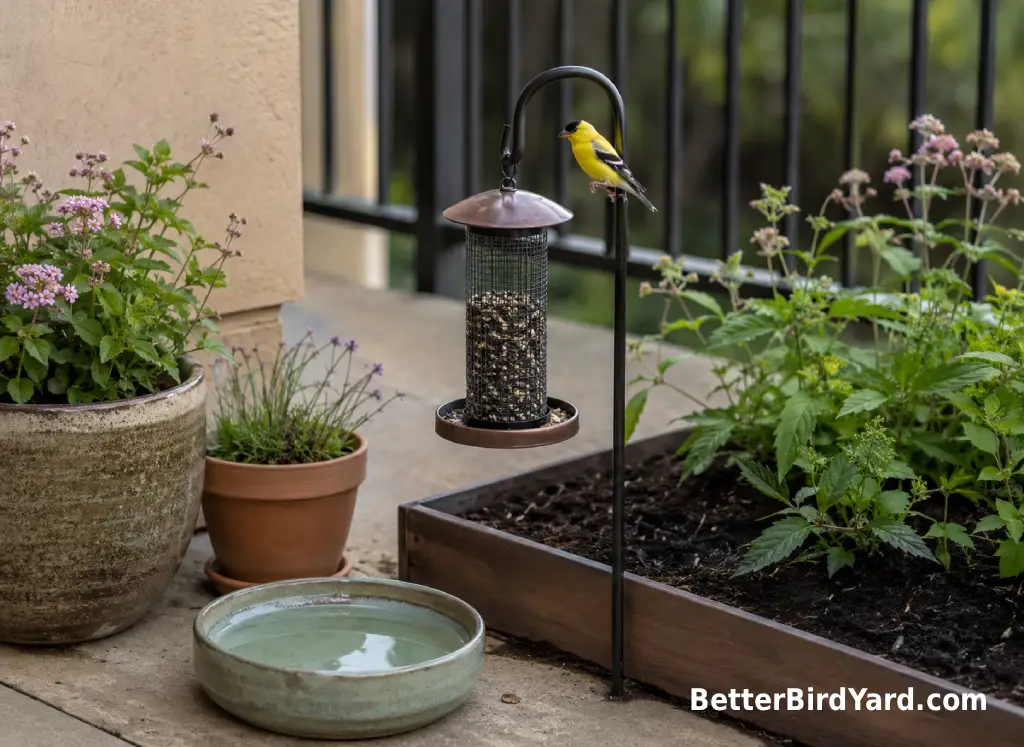
You do not need a large yard to attract birds. A balcony, patio, townhouse strip, or small rental garden can still offer food, water, and cover if the setup is tidy and allowed. The main difference is that small spaces make mess and maintenance more visible.
Choose low-mess options where needed, such as shelled sunflower chips in small amounts, a contained tray, or a feeder with a seed catcher. Be careful with hulled seed because it can spoil faster when wet, so use smaller refills and clean often. Avoid letting seed fall into neighboring spaces, shared walkways, gutters, or drainage areas.
Potted native plants can make a small feeder area more inviting. A shrub in a container, a few native flowers, or grasses with seedheads can soften a bare patio and provide perches. Water can be as simple as a shallow dish that you empty and refresh daily or often enough to keep it clean.
Be Patient And Watch For The Right Clues
Birds rarely follow our preferred schedule. A feeder may be quiet at noon but active at sunrise. A yard may be busy in January and slow in June. A new feeder may attract chickadees first, then cardinals later, or it may take longer if nearby natural food is abundant.
Look for clues before making changes. Are birds landing in nearby shrubs but not at the feeder? The food or feeder style may be wrong. Is seed disappearing overnight with no daytime birds? You may have squirrels, rodents, raccoons, or other wildlife visiting. Is seed clumped or stuck? Moisture may be the problem. Are birds coming once and not returning? Check for disturbance, dirty ports, predator pressure, or window risk.
Make one adjustment at a time so you know what helped. Change the seed, then wait. Move the feeder, then wait. Add water, then watch. Backyard bird feeding is easier when you treat it like quiet observation instead of constant tinkering.
The goal is not to crowd as many birds as possible into one spot. A healthy backyard setup gives birds safe choices: a clean feeder, fresh water, cover, natural plants, and fewer obvious hazards.
Conclusion: Build A Yard Birds Can Trust
Attracting birds works best when you build trust slowly. Start with one clean feeder, fresh food, nearby cover, and water. Keep the setup visible, calm, and easy to maintain. Choose seed birds are likely to recognize, avoid filler-heavy mixes and unsafe foods, and clean before small problems become big ones.
If you are trying to attract birds to your bird feeder for the first time, give them time. Birds need to discover the feeder, test whether the area feels safe, and learn that food is fresh and reliable. If you want cardinals, finches, chickadees, woodpeckers, or hummingbirds, adjust food and feeder style for those birds without expecting guaranteed results.
The most bird-friendly yards are not always the fanciest. They are the yards where food is fresh, water is clean, plants offer real cover, windows and cats are managed carefully, and the person filling the feeder pays attention. That calm, responsible routine is what brings birds back.