Bird Bath Guide For Small Yards, Patios, And Gardens
A bird bath is one of the simplest ways to make a backyard, patio, or small garden more useful to wild birds. Birds need water for drinking and feather care, and a clean, shallow bath can be especially helpful during hot weather, dry spells, and freezing winter days when natural water is harder to find.
The best bird bath is not always the fanciest one. A safe setup usually has a shallow bird bath bowl, stable footing, fresh water, and nearby cover that is close enough for escape but not so dense that a cat can hide beside it. Audubon recommends shallow water and stones or pebbles to help birds judge depth, which is a good starting point for most home setups.
This guide covers how to choose a birdbath, where to place it, how to keep it clean, and what mistakes to avoid. It is written for ordinary US yards, townhouse patios, balconies, and small suburban spaces where bird-friendly care has to be practical, not perfect.
Why A Bird Bath Helps Backyard Birds
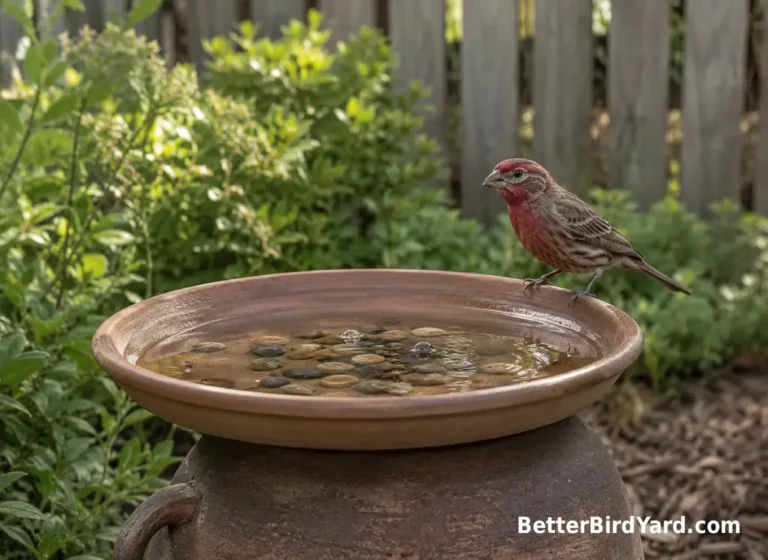
Feeders get most of the attention, but water can be just as valuable in a bird-friendly yard. A bird bath gives birds a place to drink and bathe, and bathing helps birds keep their feathers in good working order. You may see robins, chickadees, finches, cardinals, sparrows, doves, or jays visit, depending on your region, season, habitat, and the birds already nearby.
Water is also helpful for people who want to support birds without adding more seed mess. A bath does not scatter hulls under a feeder, and it can work in spaces where regular feeding is impractical. Renters with patios, balcony gardeners, and homeowners with small yards can often maintain one shallow basin more easily than a full feeder station.
A bird bath will not guarantee a specific species. Birds notice safe, reliable water over time. Some may drink from the rim for weeks before bathing. Others may show up quickly after a dry stretch. If your bath is clean, shallow, and easy to escape from, you are giving birds a useful resource without needing a complicated setup.
Choose A Shallow, Stable Bird Bath Bowl
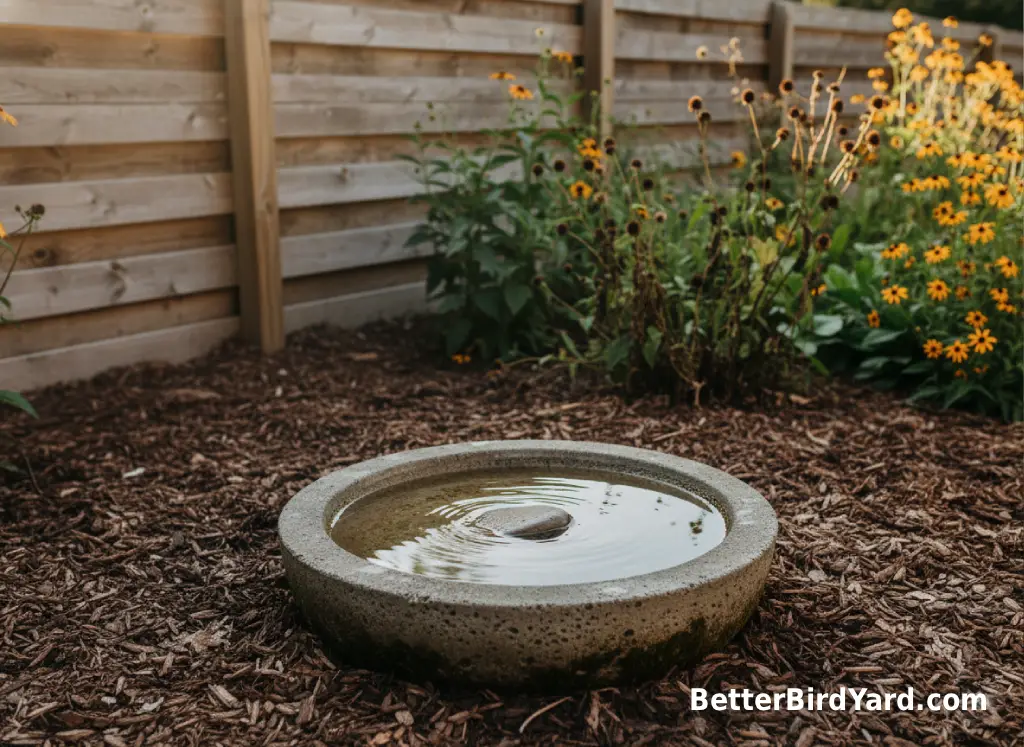
The most bird-friendly bird bath bowl is shallow, steady, and easy to clean. Audubon suggests water about 1 to 1.5 inches deep for a simple bath, and Oklahoma Department of Wildlife Conservation notes that a 1- to 2-inch depth with a gradual increase from the edge works well for birds.
Look for these features when comparing bird baths:
- A shallow basin with gently sloped sides.
- A rough or textured surface so birds have better footing.
- A stable base that will not tip in wind or when a larger bird lands.
- A bowl you can lift, dump, scrub, and rinse without dreading the job.
- Enough width for birds to splash without making the water too deep.
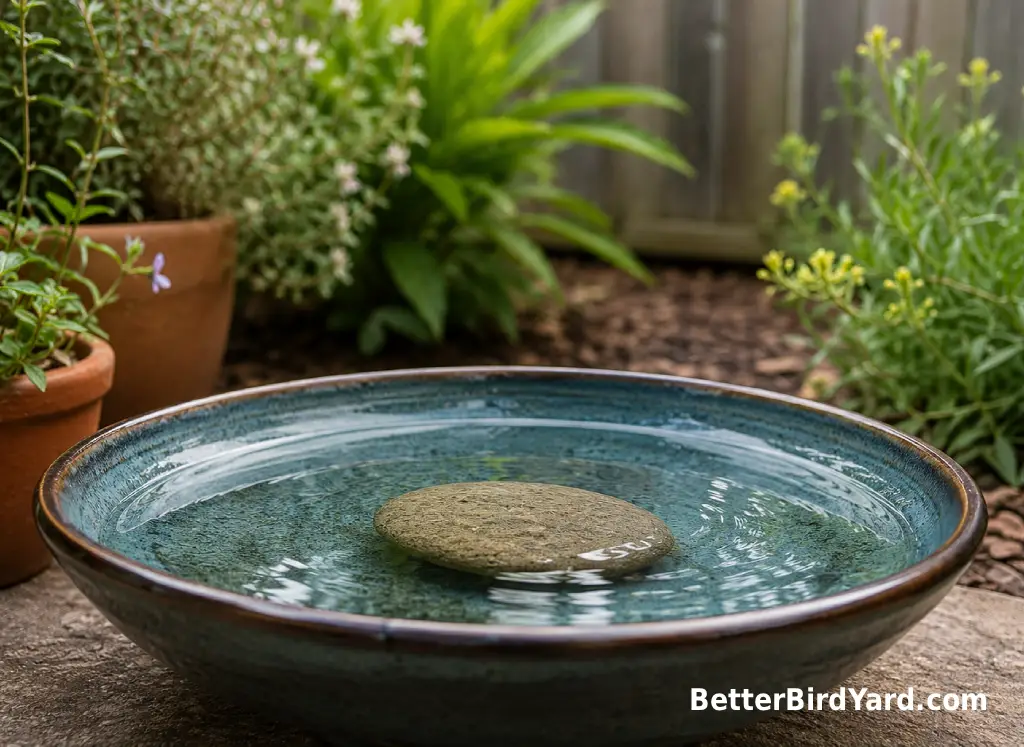
Ceramic birdbath styles can look beautiful, but check the inside surface before buying. A very glossy ceramic bowl may be slippery unless you add flat stones for grip. Ceramic can also crack in freezing weather if water expands inside it, so in cold climates, choose a frost-resistant model or store fragile bowls before hard freezes.
Concrete birdbaths are heavy and stable, but they can be awkward to scrub if the bowl is fixed to the pedestal. Plastic and resin birdbaths are lighter and easier to move, though they may need weighting or a sheltered placement. A simple plant saucer or shallow pan can work if it is stable, clean, and not too deep.
Where To Place A Bird Bath So Birds Feel Safer
Placement matters as much as the bowl. Birds usually want a clear view of the area, a quick route to cover, and enough open space to notice trouble. Audubon recommends choosing level ground with shrubs nearby and a viewing spot you can enjoy from a window.
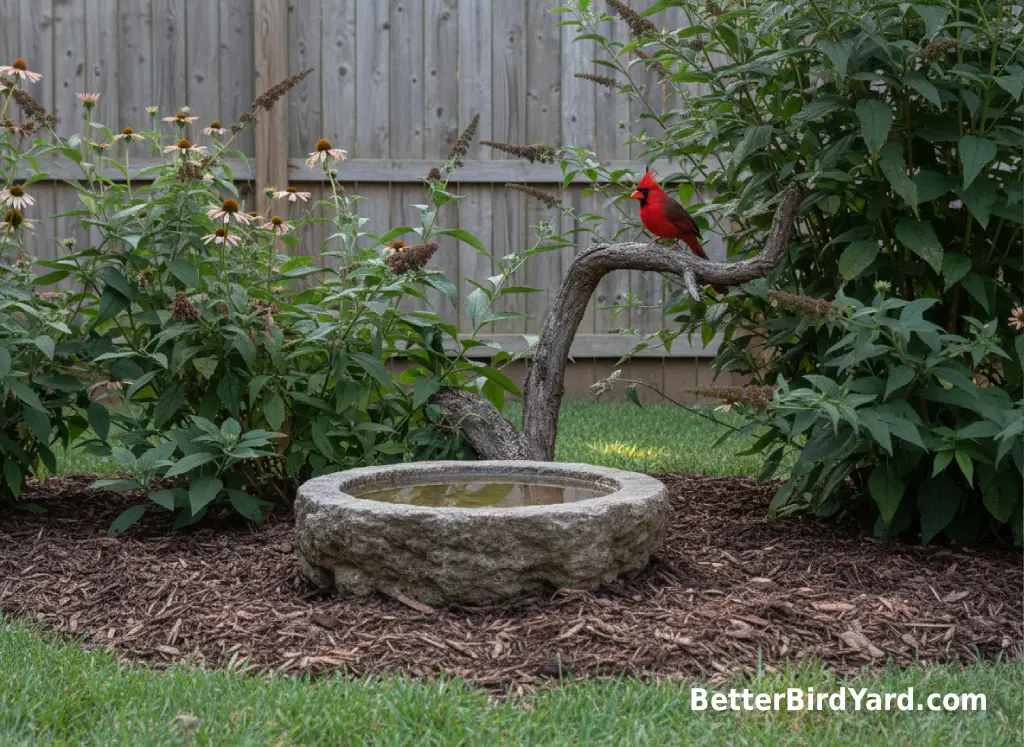
A good starting point is a spot near shrubs or a small tree, but not tucked deep inside dense cover. Thick shrubs right beside the bath can give outdoor cats or other predators a hiding place. If cats roam your neighborhood, keep the bath raised, give birds open sightlines, and consider whether a water feature is safe in that exact location. The U.S. Fish and Wildlife Service recommends keeping pet cats indoors, leashed, or in a catio as responsible pet ownership that also helps wildlife.
Shade is helpful in hot weather because water stays cooler and evaporates more slowly. Full sun is not automatically wrong, but it often means more frequent refilling and faster algae growth. Place the bath where you can easily reach it with a hose, watering can, or scrub brush. The best location is the one you will actually maintain.
For patios and balconies, use a heavy, low-profile bowl instead of a tall, narrow pedestal. Make sure it cannot blow over, drip onto a neighbor’s space, or violate building or HOA rules. Local rules vary, especially for balconies, shared courtyards, and areas where water attracts nuisance wildlife.
How To Set Up A Birdbath In 10 Minutes
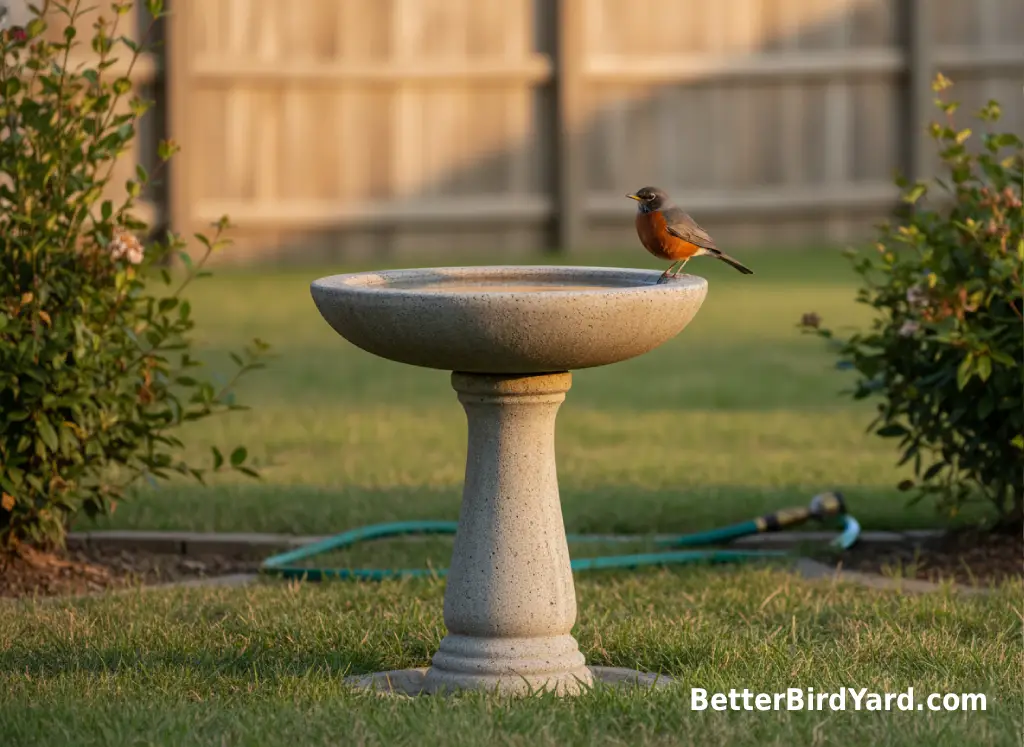
A basic setup does not need a fountain, heater, or decorative stand. Start simple and improve it after you see how birds use it.
- Choose a shallow, stable bowl or basin.
- Set it on level ground, a sturdy pedestal, or a secure patio surface.
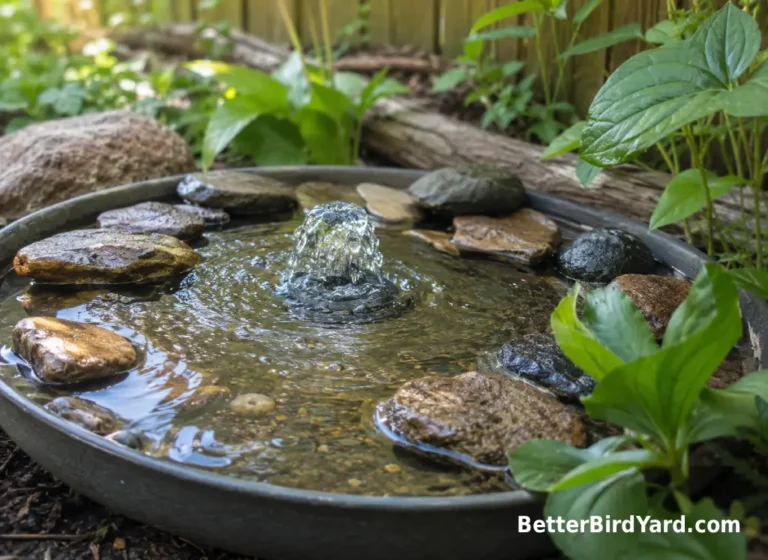
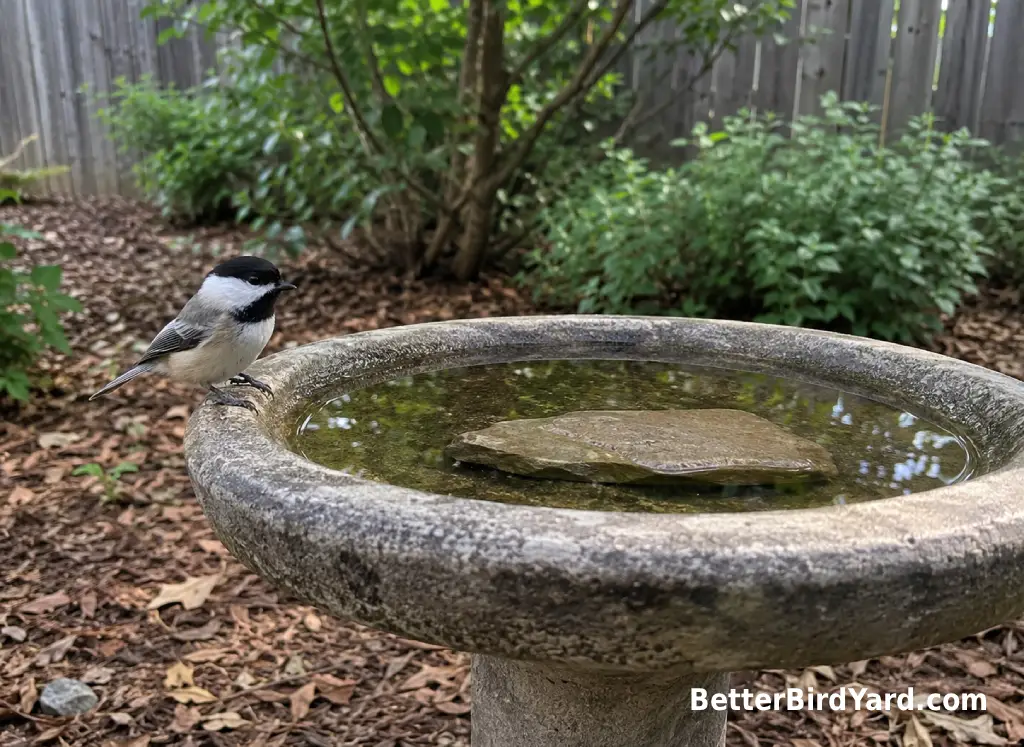
- Add one or two flat stones so birds can judge depth and perch.
- Fill with clean water, keeping the water shallow near the edges.
- Watch for tipping, slippery surfaces, and predator hiding spots.
- Dump and refresh the water often, especially during hot weather.
If birds ignore it at first, do not assume the bath is a failure. New objects can make birds cautious. Check whether the water is too deep, the bowl is too exposed, or the surface is too slick. Sometimes moving the bath just a few feet toward open shade or adding a flat stone makes it more inviting.
For a small-space setup, a heavy plant saucer on a low outdoor table can work if it is secure and easy to clean. Avoid lightweight bowls that wobble, deep buckets, or anything with steep sides that a small bird cannot use comfortably.
Keep The Water Fresh And The Bowl Clean
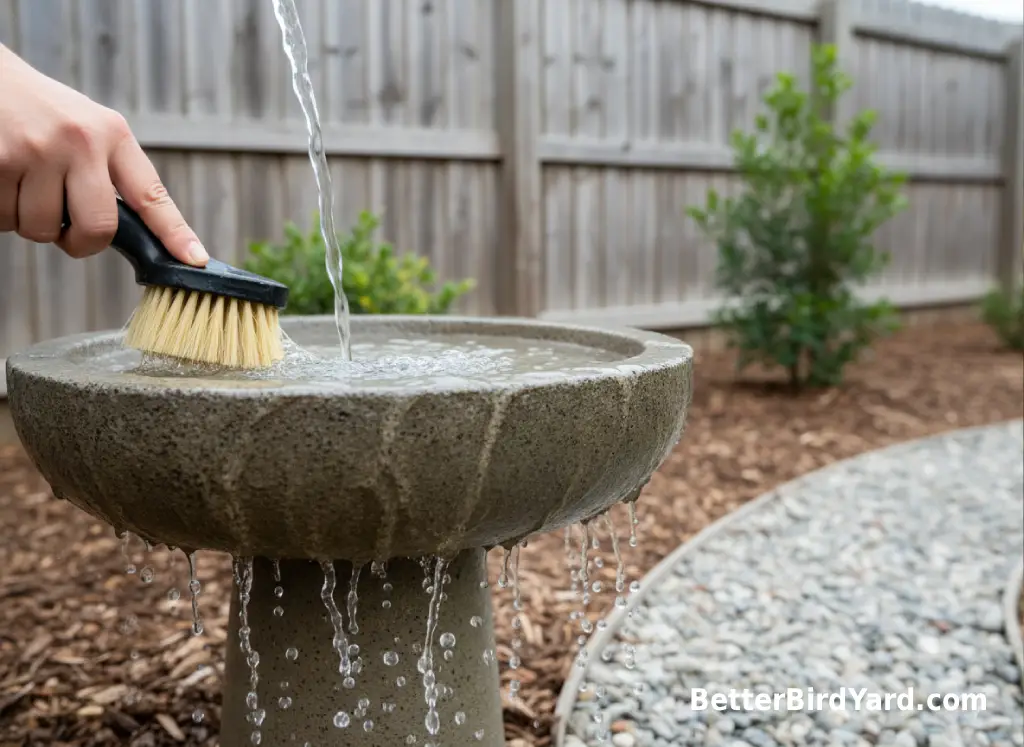
A bird bath is only helpful when the water is reasonably fresh. Warm, stagnant, dirty water is less appealing and can create hygiene problems around a yard. Cornell Lab’s Project FeederWatch recommends regular cleaning for feeders and birdbaths, and CDC guidance for bird hobbyists advises cleaning bird feeders or bird baths regularly, wearing disposable gloves when cleaning, and washing hands afterward.
In a normal backyard routine, I would keep it simple:
- Dump and refill the bath whenever the water looks dirty, cloudy, or low.
- Scrub away algae, droppings, leaves, and grit before refilling.
- Clean more often during hot weather, heavy bird use, or pollen season.
- Rinse thoroughly so no cleaner residue remains in the bowl.
- Use gloves and wash your hands after cleaning.
For stubborn grime, scrub first to remove visible debris. Project FeederWatch reports that cleaning methods involving a dilute bleach soak were more effective at reducing Salmonella bacteria on feeders than soap and water alone, and that visible debris made cleaning less effective. If you disinfect a bird bath, keep the solution away from birds, pets, children, and plants, then rinse thoroughly and let the basin air out before refilling.
Compare Common Bird Bath Materials
When you compare birdbaths at a garden center, nursery, big-box store, or online retailer, focus less on decoration and more on everyday use. Birds do not care whether the bowl matches your patio furniture. They care about safe footing, shallow water, and a quick escape route.
| Material | Best For | Watch Out For |
|---|---|---|
| Concrete | Stability, rough footing, classic garden look | Heavy to move and sometimes difficult to scrub |
| Ceramic | Small patios, color, decorative gardens | Can be slippery or crack in freezing weather |
| Plastic Or Resin | Renters, easy moving, low-cost setups | May tip unless weighted or sheltered |
| Metal | Durability and thin bowl designs | Can heat quickly in strong sun |
| DIY Plant Saucer | Simple, low-cost, small-space bird bath | Must be shallow, stable, and easy to clean |
If you are choosing your first bath, pick the one you can clean comfortably. A gorgeous pedestal that is awkward to lift may become a dirty pedestal by midsummer. A plain shallow bowl that you rinse every day is often the better backyard choice.
Add Movement Without Making The Bath Complicated
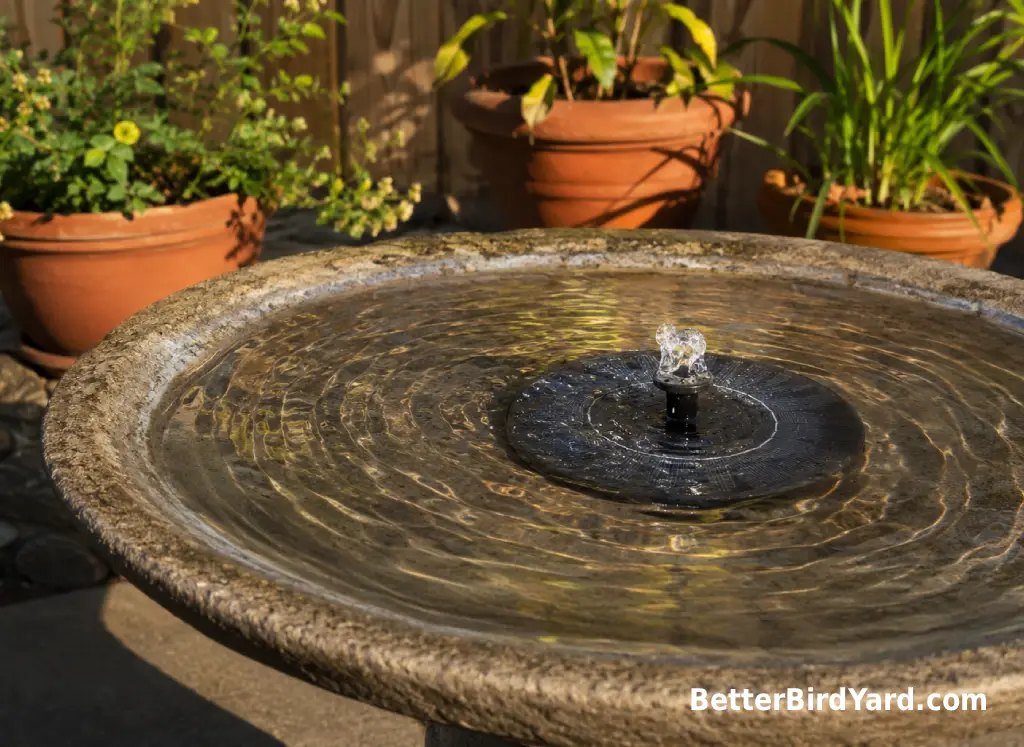
Moving water can catch birds’ attention and may help the bath stay fresher between cleanings, but it does not replace maintenance. A small bubbler, dripper, or solar fountain can be useful if it keeps the water gentle and shallow. Avoid strong sprays that empty the bowl or make the bath too chaotic for small birds.
For renters or patios, a removable solar bubbler is usually easier than a wired fountain. Check it often. Some floating solar fountains drift to the edge and spray water out of the bowl, leaving the bath dry on hot afternoons. A simple dripper over a shallow basin can be just as effective and easier to control.
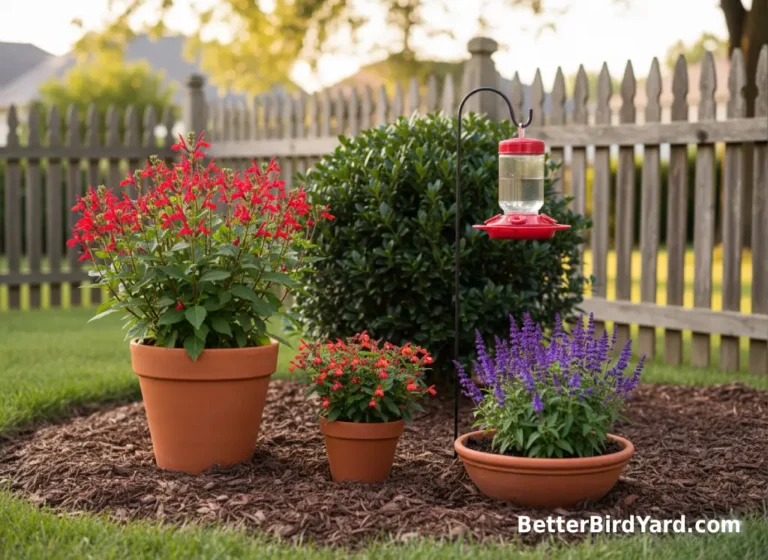
Hummingbirds may show more interest in mist, damp leaves, or very fine spray than in a standard deep bird bath. If you already maintain hummingbird feeders, keep water features separate from nectar care, and never use honey, red dye, or sweetened mixtures in a bath. Plain clean water is all the bath needs.
Common Bird Bath Mistakes To Avoid
Most bird bath problems are easy to fix once you know what to look for. The common theme is that the bath is too deep, too dirty, too exposed, too hidden, or too hard to maintain.
- Too much water: Keep the bath shallow, especially near the edges.
- Slippery bowl: Add flat stones or choose a rougher basin.
- Dirty water: Dump, scrub, and refill before algae and droppings build up.
- Predator cover too close: Avoid placing the bath tight against dense shrubs where cats can hide.
- Full sun all day: Expect faster evaporation and warmer water.
- Hard-to-clean design: Avoid bowls with deep grooves, fragile finishes, or fixed parts you cannot scrub well.
Another beginner mistake is treating a bird bath like a decorative object instead of a small wildlife water station. Pretty is fine, but practical comes first. If the bath is easy to dump, easy to scrub, and safe for birds to stand in, it is already doing the important work.
If birds suddenly stop visiting, check for a simple cause before replacing the bath. Has the water been cloudy? Did a neighbor’s cat start visiting? Did a new patio umbrella or furniture arrangement make the area feel enclosed? Birds respond to small changes that people barely notice.
Seasonal Bird Bath Care In Hot And Cold Weather
In hot weather, bird bath care is mostly about freshness. Water evaporates faster, algae can build up more quickly, and birds may visit more often during dry stretches. Check the bath daily during heat waves. Refill with plain clean water and scrub whenever the bowl feels slimy or looks dirty.
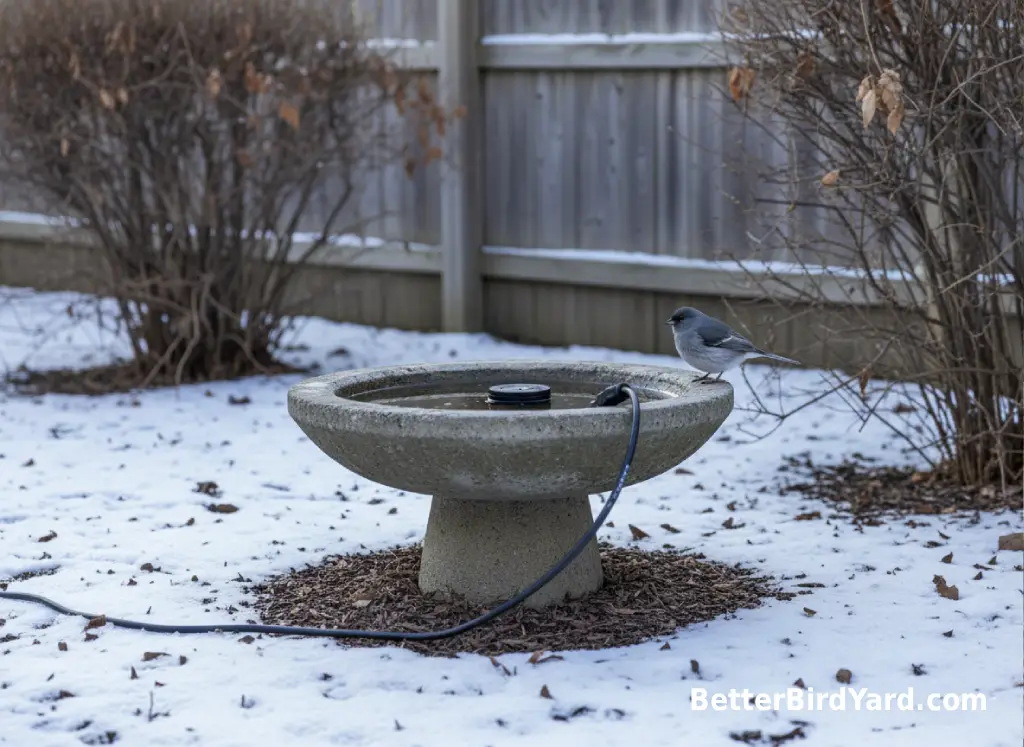
In cold weather, liquid water can be valuable, but safety matters. Use only outdoor-rated bird bath heaters or de-icers designed for that purpose, follow the manufacturer’s instructions, and plug them into a properly protected outdoor outlet. Do not add antifreeze, salt, glycerin, or any chemical shortcut to keep water open.
If a heated setup is not realistic, you can still help by offering fresh water during milder parts of the day and bringing fragile bowls indoors before hard freezes. Plastic or sturdy resin bowls are easier to manage in freeze-thaw weather than delicate ceramic.
Seasonal conditions vary widely across the US. A shaded summer bath in Arizona, a heated winter bath in Minnesota, and a rainy-season patio bath in Oregon all need different routines. Let local weather guide how often you refill, scrub, move, or store the bath.
When To Pause, Clean, Or Get Local Help
Most bird bath care is routine, but there are times to be more cautious. If you notice birds that seem unusually weak, disoriented, unable to fly normally, or repeatedly sitting fluffed and still near the bath, do not try to diagnose the problem or handle the bird casually. Empty and clean the bath, pause use if needed, and check guidance from your state wildlife agency or local wildlife rehabilitator.
If you find a dead bird near a bath, avoid bare-hand contact. CDC guidance advises bird hobbyists to avoid unprotected exposure to sick or dead animals and to report unusual bird or animal deaths through appropriate state or federal channels. It also recommends gloves and handwashing when cleaning bird feeders or bird baths.
During avian flu or other local wildlife disease concerns, follow your state wildlife agency’s current recommendations. Cornell Lab’s All About Birds notes that typical feeder-visiting songbirds have had relatively low documented risk from HPAI compared with waterfowl and raptors, but it still recommends regular cleaning and following state guidance, especially if you keep domestic poultry.
BetterBirdYard is not a wildlife rehabilitation, veterinary, legal, or public health service. For sick, injured, stunned, orphaned, or unusually behaving wild birds, contact a licensed wildlife rehabilitator, local wildlife agency, animal control, or another qualified local professional.
Make The Area Around The Bath More Bird-Friendly
A bird bath works best as part of a simple, safe yard setup. Nearby native shrubs, small trees, leaf litter, and seed-bearing or berry-producing plants can give birds cover and natural foraging opportunities. Choose plants suited to your region rather than relying on one national plant list for every yard.
Keep the area under and around the bath tidy enough to discourage rodents and nuisance wildlife. If you also feed birds, clean up spilled seed and place the bath where droppings and seed hulls are not constantly falling into the water. Our bird feeder cleaning guide is a useful companion if your water station sits near feeders.
Think about windows, too. A bath placed where birds fly directly toward reflective glass can increase collision risk. If you notice birds hitting a window near your setup, make the glass more visible with external screens, closely spaced decals, window film, or other bird-safe treatments. For more habitat ideas, see our bird-friendly native plants guide.
The goal is not to create a perfect sanctuary overnight. Start with clean shallow water, safe placement, and a few plants that offer cover without creating predator ambush spots. Those small choices make a backyard bath more useful and easier to maintain.
Conclusion: Keep It Shallow, Clean, And Easy To Maintain
A good bird bath is simple: shallow water, steady footing, safe placement, and regular cleaning. Whether you use a concrete pedestal, ceramic birdbath, plastic basin, or plain plant saucer, the daily usefulness matters more than the design.
For most beginners, the best first step is to choose a bowl that is easy to lift and scrub. Add a flat stone, place it on level ground with nearby cover and open sightlines, and refresh the water often enough that it stays clear and inviting. Watch how birds respond, then adjust the depth, shade, or location as needed.
A bird bath will not solve every backyard bird problem, and it should not replace native habitat, safe windows, clean feeders, or responsible pet choices. But maintained well, it can become one of the most rewarding features in a small bird-friendly yard: quiet, practical, and useful through much of the year.