Does Hummingbird Mint Attract Hummingbirds? A Practical Agastache Care Guide
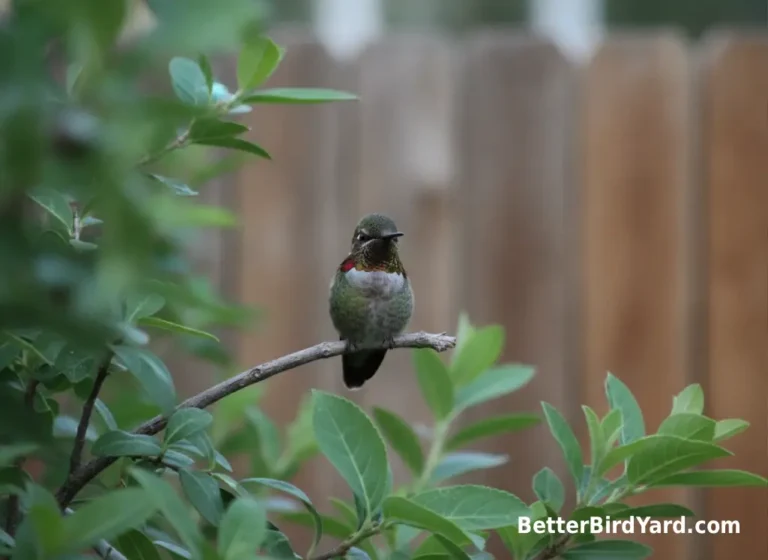
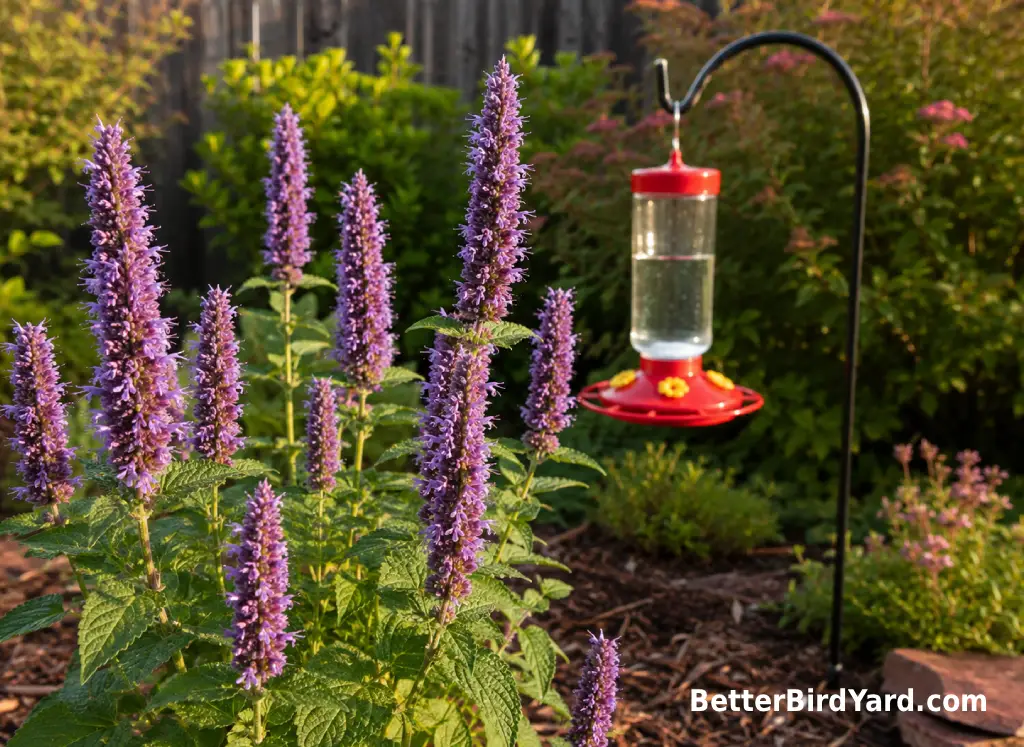
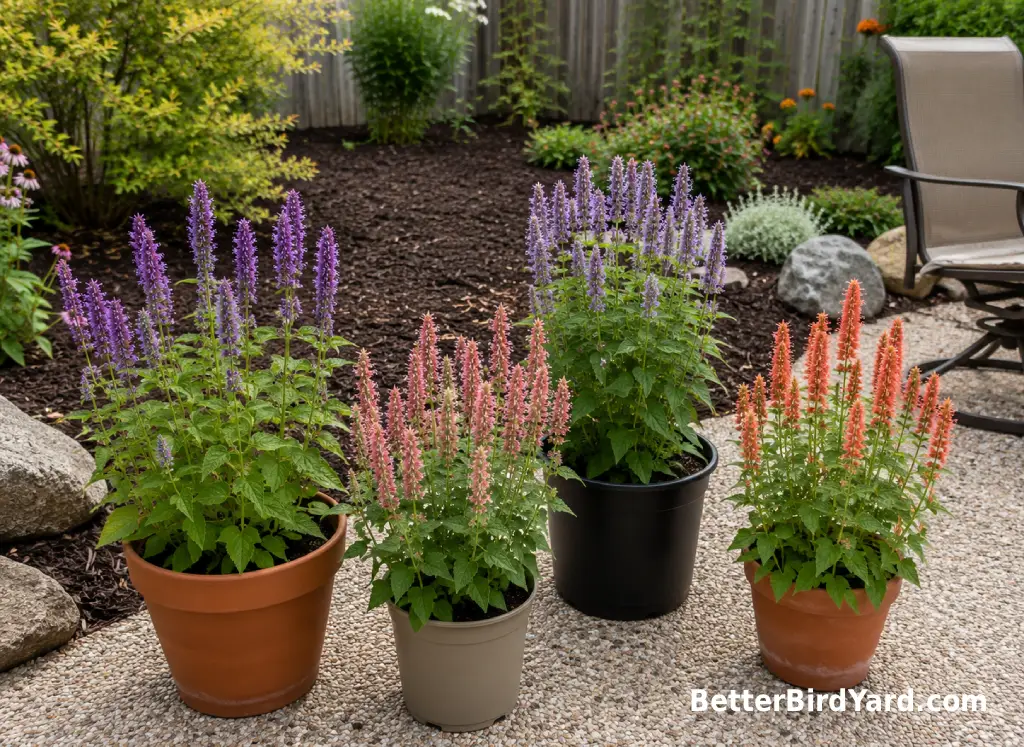
Yes, hummingbird mint can attract hummingbirds, especially when it is planted in a sunny spot where its tubular flower spikes are easy to find. The plant most gardeners call hummingbird mint is usually an Agastache, a fragrant member of the mint family with flowers that may be lavender, purple, pink, coral, orange, or red depending on the species or cultivar.
For backyard bird watchers, the big appeal is simple: Agastache offers nectar-rich flowers, a long bloom window, and a tidy upright shape that fits into small yards, sunny borders, raised beds, and patio containers. It is not a magic hummingbird guarantee, though. Hummingbird visits vary by region, season, nearby nesting and perch cover, local flower competition, weather, and whether pesticides are used in the yard.
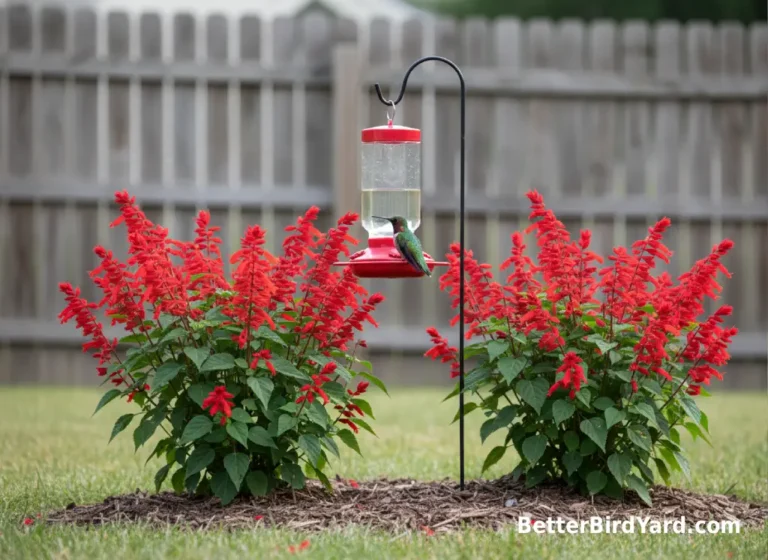
If you already use a hummingbird feeder, adding hummingbird mint plants can make your yard feel more natural and less feeder-dependent. A good setup combines flowers, clean water, safe perches, insects, and careful nectar feeder hygiene rather than relying on one plant or one feeder alone.
Quick Answer: Does Hummingbird Mint Attract Hummingbirds?
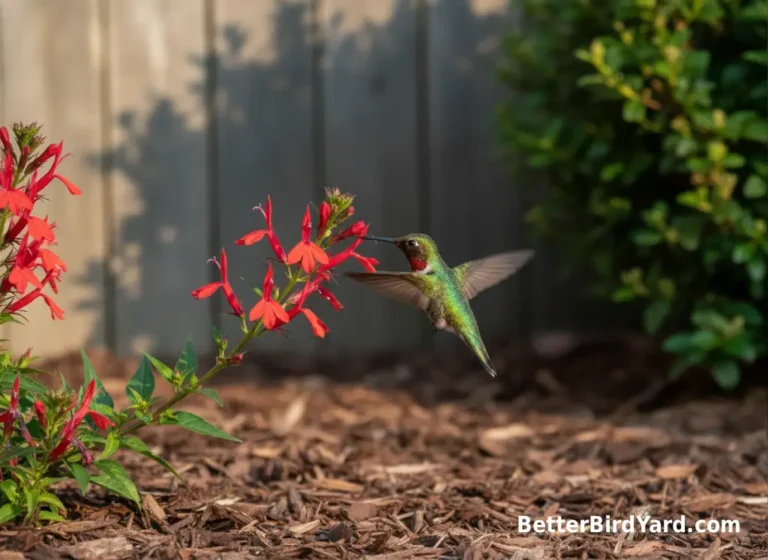
Hummingbird mint is a worthwhile plant for hummingbirds because many Agastache species and cultivars produce tubular flowers that hold nectar where long-billed hummingbirds can reach it. Penn State Extension notes that hummingbirds are especially drawn to tubular flowers in red, orange, and pink shades, while Audubon recommends native flowering plants, grouped plantings, different bloom periods, perches, and reduced pesticide use for a hummingbird-friendly yard.
That said, not every hummingbird mint plant performs the same in every yard. A healthy clump in full sun near other nectar flowers may get regular visits. A single stressed plant in soggy soil, deep shade, or a windy exposed corner may bloom poorly and be ignored.
The best way to think of Agastache hummingbird mint is as one strong piece of a larger hummingbird habitat. It can provide nectar, color, and repeated bloom, but hummingbirds also need small insects, safe resting spots, and shelter. Audubon notes that hummingbirds feed on insects and spiders as part of their diet, so a tidy but living garden usually supports them better than a pesticide-treated yard with only one nectar source.
Why Agastache Works So Well In A Hummingbird Garden
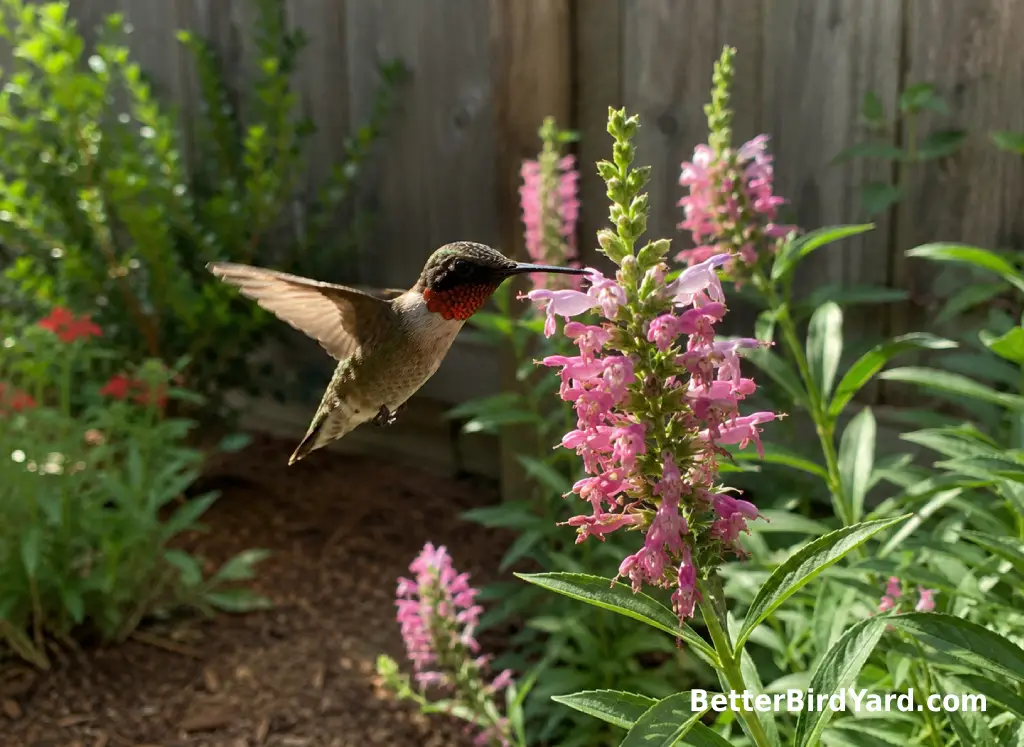
Agastache earns its hummingbird mint nickname from a combination of flower shape, bloom timing, and garden usefulness. Many types send up vertical spikes covered in small tubular flowers, creating an obvious feeding station above the foliage. That height matters in a real backyard because hummingbirds often notice flowers that sit above surrounding leaves and catch sunlight.
The plant is also helpful because it can bloom when summer gardens start to look tired. Audubon Rockies describes western hyssops, including Agastache cana and Agastache rupestris, as thin-tubed flowers that attract hummingbirds, butterflies, and native bees and can provide late-season nectar in parts of the interior West.
For a beginner, this is one of the more practical nectar plants because it does not require a large wildlife meadow. A single plant can fit beside a patio chair. Three plants can make a small but visible nectar patch. A larger sunny border can mix hummingbird mint with bee balm, penstemon, native salvia, cardinal flower in wetter areas, or trumpet honeysuckle where the vine is regionally appropriate.
One useful BetterBirdYard rule: plant for bloom overlap, not just flower color. Hummingbirds are more likely to check a yard repeatedly when something is blooming before, during, and after the main Agastache show.
Choosing The Right Hummingbird Mint Plant
Hummingbird mint plants are not all identical. Some are straight species, some are hybrids, and some are named cultivars selected for flower color, compact size, or garden performance. When shopping for hummingbird mint plants for sale, look first at mature size, sun needs, drainage needs, and whether the plant is suitable for your region.
| Type | Good Fit For | Notes For Backyard Birders |
|---|---|---|
| Agastache foeniculum | Sunny borders, pollinator beds, cottage gardens | Also called anise hyssop. NC State Extension describes it as a North American perennial that grows best in full to partial sun and well-drained soil, with fragrant foliage and wildlife value. |
| Texas Hummingbird Mint | Hot, dry, sunny gardens in suitable regions | Usually refers to Agastache cana or related selections. Check regional suitability before planting outside the Southwest or dry western gardens. |
| Sunset Or Threadleaf Hyssop | Waterwise gardens and sunny, well-drained beds | Agastache rupestris is used in western hummingbird plantings and is noted by Colorado State Extension as a well-drained-site perennial favored by hummingbirds. |
| Black Adder Hummingbird Mint | Gardeners who want dark purple spikes | NC State Extension lists Agastache Black Adder as a 2 to 3 foot plant for full sun to light shade, with essential drainage and flowers that attract bees, butterflies, and hummingbirds. |
| Dwarf Hummingbird Mint | Containers, narrow borders, patios, rental gardens | Choose by mature height on the nursery tag. Compact cultivars are useful where a 3 to 5 foot plant would crowd a walkway or balcony. |
If native planting is a priority, use a regional native plant database, local extension office, native plant society, or Audubon native plant resources to choose species that fit your part of the US. “Native” is not one-size-fits-all across the country, and a plant that is regionally helpful in Colorado, Texas, or the Upper Midwest may not be the best fit everywhere.
Hummingbird Mint Plant Care: Sun, Soil, Water, And Pruning
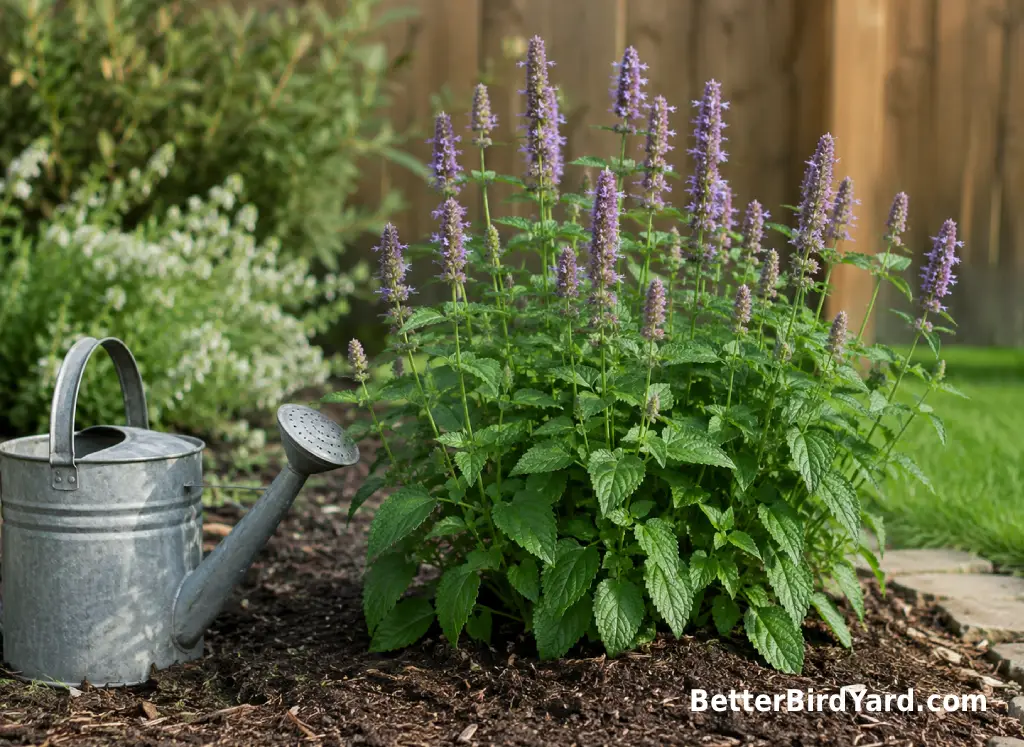
Hummingbird mint plant care starts with drainage. Most Agastache problems in backyard gardens come from wet soil, heavy clay, or winter sogginess rather than from neglect. NC State Extension notes that well-drained soil is important for Agastache and that poorly drained soil can lead to crown or root rot; its Agastache guidance also recommends raised beds or containers when drainage needs improvement.
In most ordinary yards, the care routine is simple:
- Give the plant full sun when possible. Light afternoon shade may help in very hot regions, but too much shade usually means fewer flowers.
- Use well-drained soil. If water puddles after rain, improve drainage or use a raised bed or container.
- Water new plants consistently while they establish. Once rooted, many Agastache types handle drier conditions better than soggy ones.
- Skip heavy fertilizer. Rich, soft growth can flop and may reduce the sturdy, flower-heavy habit gardeners want.
- Deadhead spent flower spikes if you want a tidier plant and possible continued bloom.
- Leave some seed heads later in the season if you do not mind a more natural look and possible self-seeding.
A common mistake is treating hummingbird mint like a thirsty bedding annual. It usually prefers a leaner, sunnier, better-drained setup. In a humid or rainy climate, airflow matters. Avoid packing plants so tightly that leaves stay damp all day.
Growing Hummingbird Mint Seeds, Containers, And Small Spaces
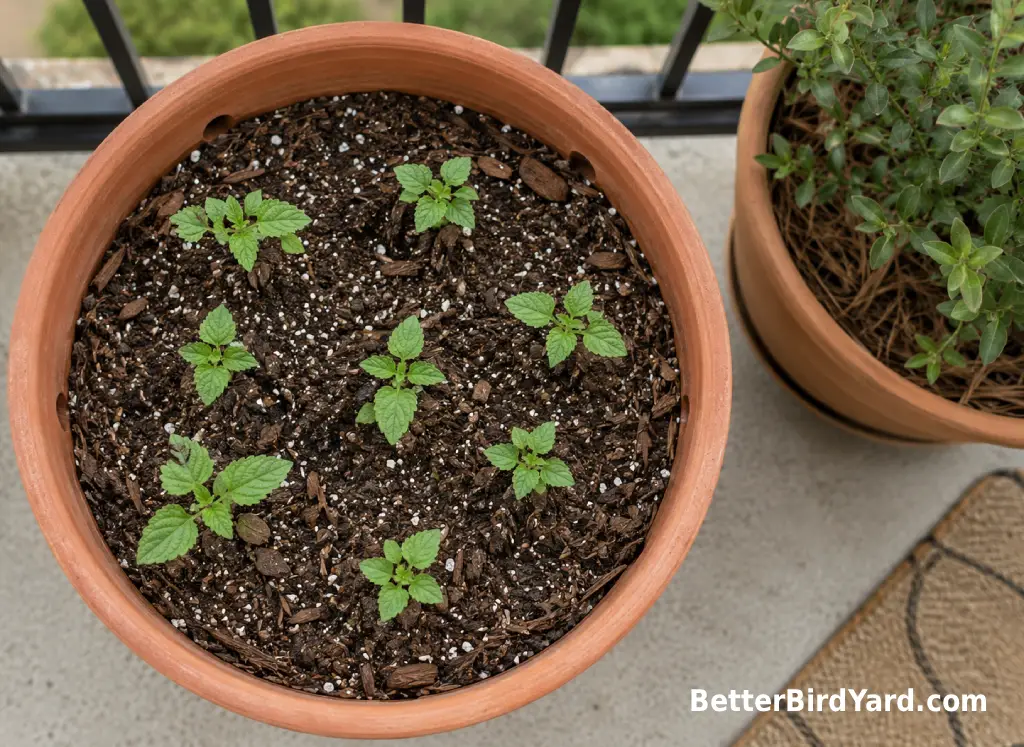
Hummingbird mint seeds can be a budget-friendly way to start a patch, but they require more patience than buying a nursery plant in bloom. Some species need cold stratification or surface sowing, depending on the species and seed source. Penn State Extension’s anise hyssop seed guidance notes cold stratification and surface sowing for Agastache foeniculum.
For beginners, the easiest route is often one healthy starter plant. You can learn the plant’s shape, bloom color, and watering needs the first season, then decide whether to add more. Seeds are better if you enjoy seed starting, want several plants, or are working with a larger sunny bed.
For renters and small-space gardeners, dwarf hummingbird mint or compact Agastache cultivars can work well in containers. Use a pot with drainage holes, a gritty or well-draining potting mix, and enough space for roots. A small pot dries fast in summer, but a waterlogged pot is just as risky, so check the soil with your finger before watering.
Place patio containers where hummingbirds can approach and retreat safely. A pot near a chair is fine, but avoid placing it directly against a large reflective window unless you also use window-strike prevention. A few external decals, screens, closely spaced cords, or other visible window treatments can make glass safer for birds.
How To Plant Agastache For More Hummingbird Visits
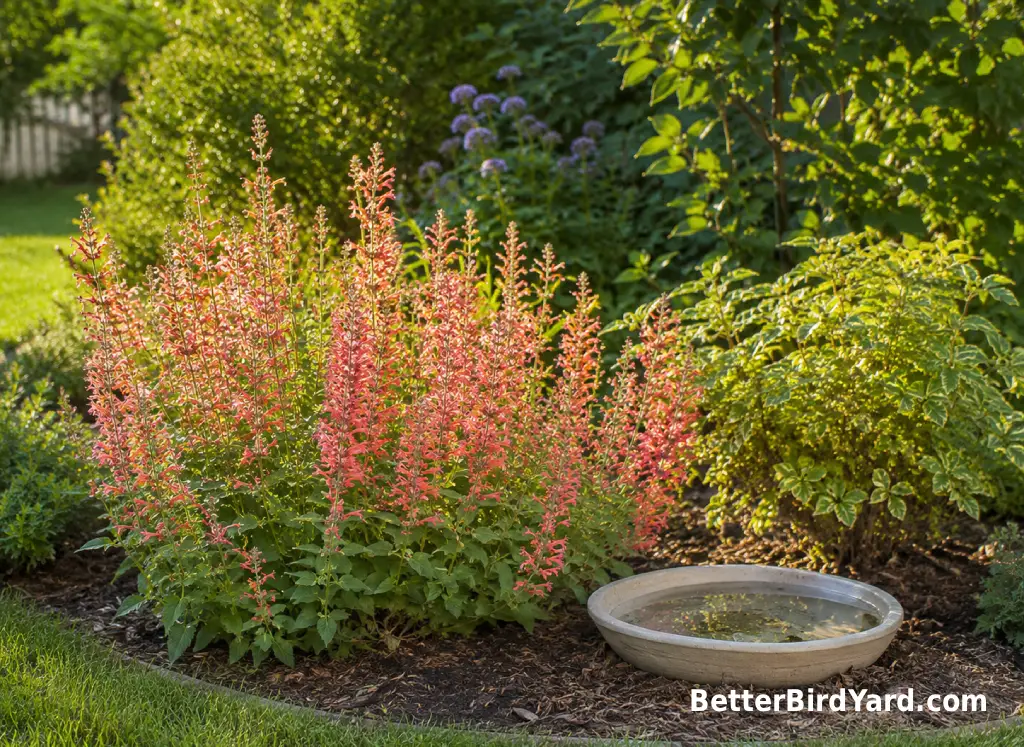
One hummingbird mint plant can help, but a small cluster is easier for hummingbirds to notice. Think in patches, not sprinkles. Three plants of the same cultivar in a triangle or gentle curve usually reads better to birds and people than one plant tucked between unrelated ornamentals.
To make the planting more useful, combine Agastache with a few other hummingbird-friendly features:
- Bloom sequence: Add flowers that bloom before and after your hummingbird mint so nectar is not limited to one summer window.
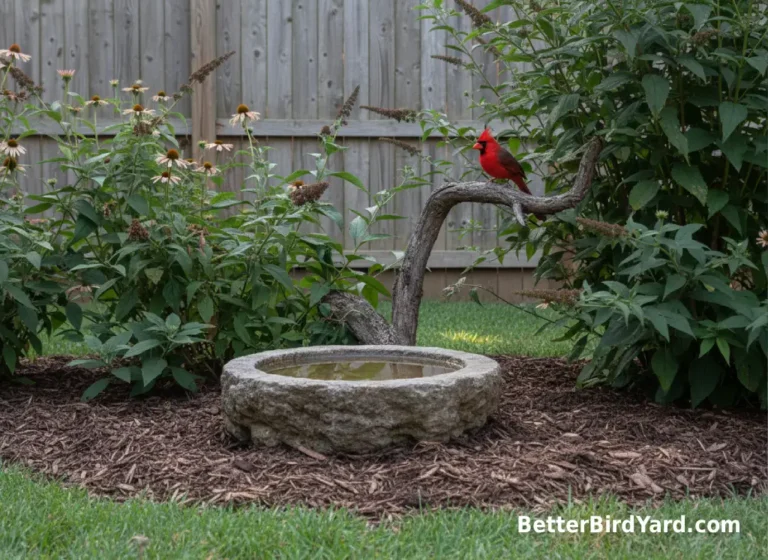
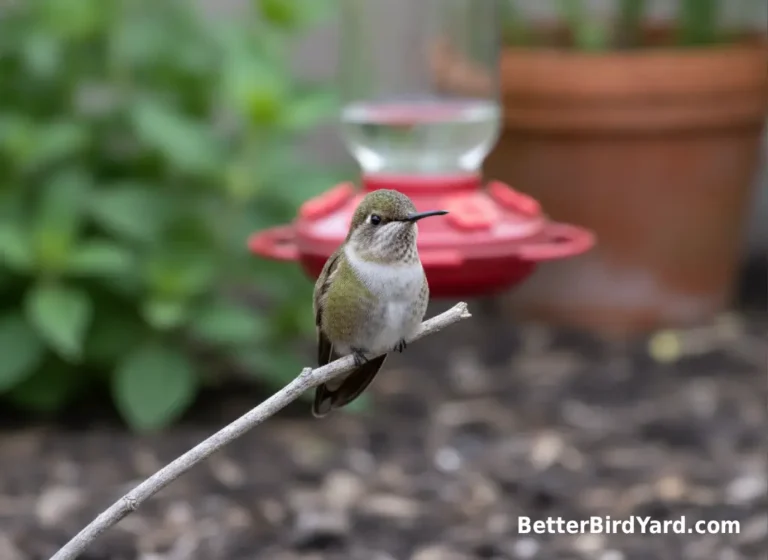
- Perches: Keep a few small bare twigs or shrub branches nearby so hummingbirds can rest and watch their feeding area.
- Insects: Avoid routine pesticide spraying, especially around nectar plants, because hummingbirds also rely on small arthropods for protein.
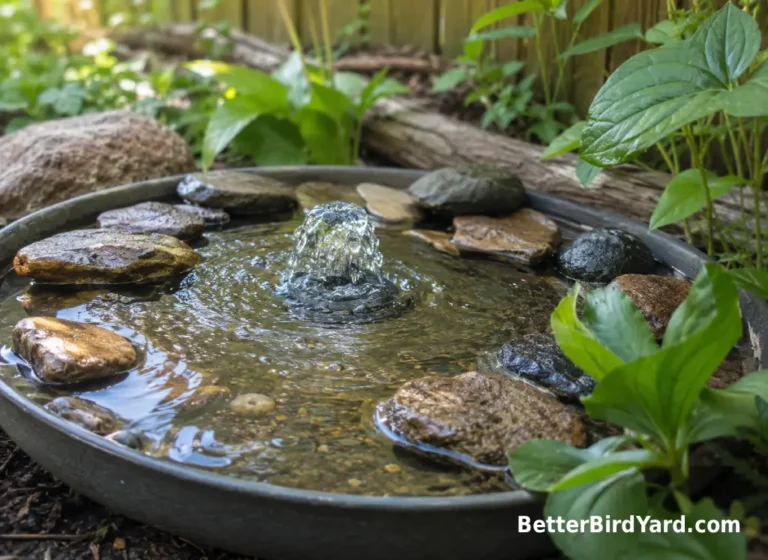
- Water: A mister, drip, or very shallow moving water feature is often more useful to hummingbirds than a deep bird bath.
- Spacing: Give plants enough airflow so foliage dries after rain and bloom stems stay sturdy.
Audubon’s hummingbird-friendly yard guidance lines up with this approach: plant native flowering plants where possible, group similar plants together, choose different bloom periods, provide perches, and minimize or eliminate pesticide use.
Common Hummingbird Mint Mistakes To Avoid
The most common mistakes with hummingbird mint are easy to fix if you catch them early.
- Planting In Wet Soil: If the plant wilts even though the soil is damp, drainage may be the problem. Move future plants to a raised bed, slope, container, or amended site.
- Expecting Instant Hummingbirds: A new plant may need time to bloom heavily, and hummingbirds may not discover it right away.
- Buying Only By Flower Color: Red, coral, and pink can be useful, but plant health, nectar access, bloom length, and regional suitability matter too.
- Overcrowding The Bed: Dense planting can reduce airflow and make powdery mildew or leaf spots more likely in humid weather.
- Using Pesticides Around Nectar Plants: Spraying blooming plants can reduce the insect life hummingbirds need and may put pollinators at risk.
- Ignoring Local Fit: Texas hummingbird mint, western hyssops, and Midwestern anise hyssop do not all behave the same in every climate.
Anise hyssop can self-seed, so remove unwanted seedlings if you prefer a tidy bed. NC State Extension notes self-seeding for Agastache foeniculum and emphasizes well-drained soil for overwintering.
Feeder, Nectar, And Safety Notes Around Hummingbird Mint
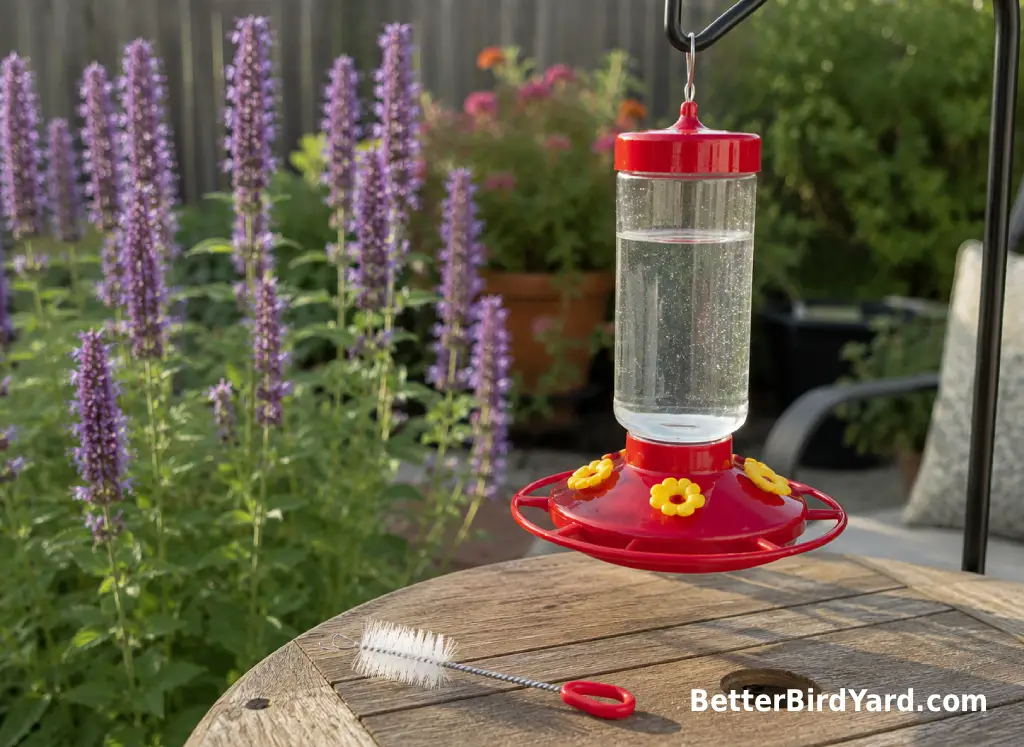
Hummingbird mint pairs well with a clean hummingbird feeder, but plants should not be used as an excuse to relax feeder hygiene. If you offer nectar, use the standard sugar-water approach recommended by major bird organizations: plain white sugar and water, no honey, no artificial sweeteners, and no red dye. Audubon recommends a four-parts-water to one-part-white-sugar mixture and says feeders should be cleaned every few days, daily in especially hot conditions, and immediately if nectar looks cloudy.
Place feeders and flowers where you can maintain them easily. If the feeder is too high to reach or hidden behind a dense planting, cleaning gets skipped. If the flowers are directly under a feeder, spilled sugar water can make leaves sticky and may attract ants or wasps. A little separation keeps both the plant and feeder easier to manage.
Watch the wider safety picture too. Keep cats indoors or supervised away from feeding and flower areas. Reduce window reflections near busy nectar spots. Avoid pesticides around blooming plants. If you see a hummingbird that appears injured, stunned after a window strike, unable to fly, or unusually weak, do not try to diagnose or treat it. Contact a licensed wildlife rehabilitator, local wildlife agency, animal control, or another qualified local professional for guidance.
Is Hummingbird Mint Worth Planting?
Hummingbird mint is worth planting if you have sun, drainage, and enough space for the variety you choose. It is especially useful for bird-friendly yards because it supports a more natural nectar source than feeders alone and can fit into small gardens without requiring a major landscape redesign.
For the easiest start, buy one healthy plant from a reputable local nursery, plant it in full sun and well-drained soil, and watch how it performs through one full growing season. If it blooms well and hummingbirds or pollinators use it, add two more plants nearby the following season. If it struggles, adjust the site before buying more.
The best hummingbird yard is layered. Hummingbird mint can be the bright summer nectar piece, but it works even better with native shrubs, staggered bloom times, clean feeders if you use them, safe water, reduced pesticide use, and nearby perches. That combination gives hummingbirds more reasons to return without depending on a single flower or feeder.
For more backyard habitat help, see our related guides on hummingbird feeder cleaning and native plants that attract hummingbirds.