What Do Hummingbirds Need To Survive?
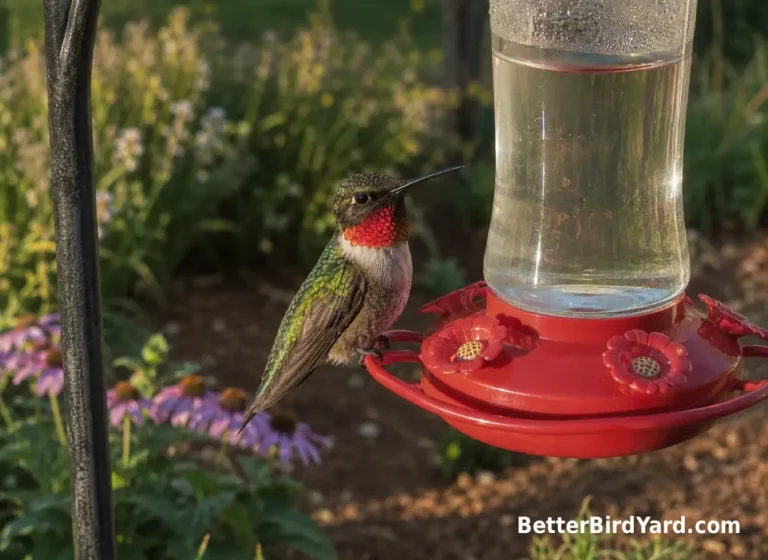
Hummingbirds need more than a red feeder on a hook. To survive, they rely on a steady mix of nectar for fast energy, tiny insects and spiders for protein and fat, safe water, sheltered perches, nesting cover, and a landscape that is not overloaded with pesticides, predators, or dirty feeding stations.
For backyard bird watchers, the helpful question is not just what do hummingbirds need to survive, but which parts of that survival picture can a normal yard, patio, balcony, or small garden responsibly support. You cannot replace wild habitat with a feeder, but you can make your space safer and more useful.
Most U.S. hummingbird visitors are seasonal migrants, while some species and individuals remain through winter in milder regions. Their winter survival depends on the species, location, weather, natural food, insects, shelter, and, in some areas, carefully maintained feeders. The goal is not to make hummingbirds dependent on you. The goal is to provide clean, low-risk support while protecting the natural food web they already use.
The Quick Answer: Food, Water, Shelter, And Safety
Hummingbirds survive by balancing very high energy needs with safe places to feed, rest, bathe, nest, and avoid danger. In a yard, the most useful support usually comes from a combination of flowering plants, insects, clean water, shrubs or trees, and clean feeders.
A simple backyard survival checklist looks like this:
- Nectar from native flowers and, if you choose, a properly maintained sugar-water feeder.
- Small insects and spiders for protein, fat, and nutrients, especially during nesting and migration.
- Fresh water for bathing and drinking, often from shallow edges, drips, misters, or gentle moving water.
- Cover from shrubs and trees for resting, weather protection, and nesting.
- Safer surroundings with fewer pesticides, fewer window-collision risks, and cats kept away from feeding areas.
- Clean feeding stations that do not allow moldy nectar or bacteria to build up.
That last point matters more than many beginners expect. A feeder can help only when it is kept clean. The National Wildlife Federation notes that hummingbird feeders are beneficial only when cleaned and refilled regularly because mold and bacteria can grow and harm birds.
Nectar Gives Hummingbirds Fast Energy
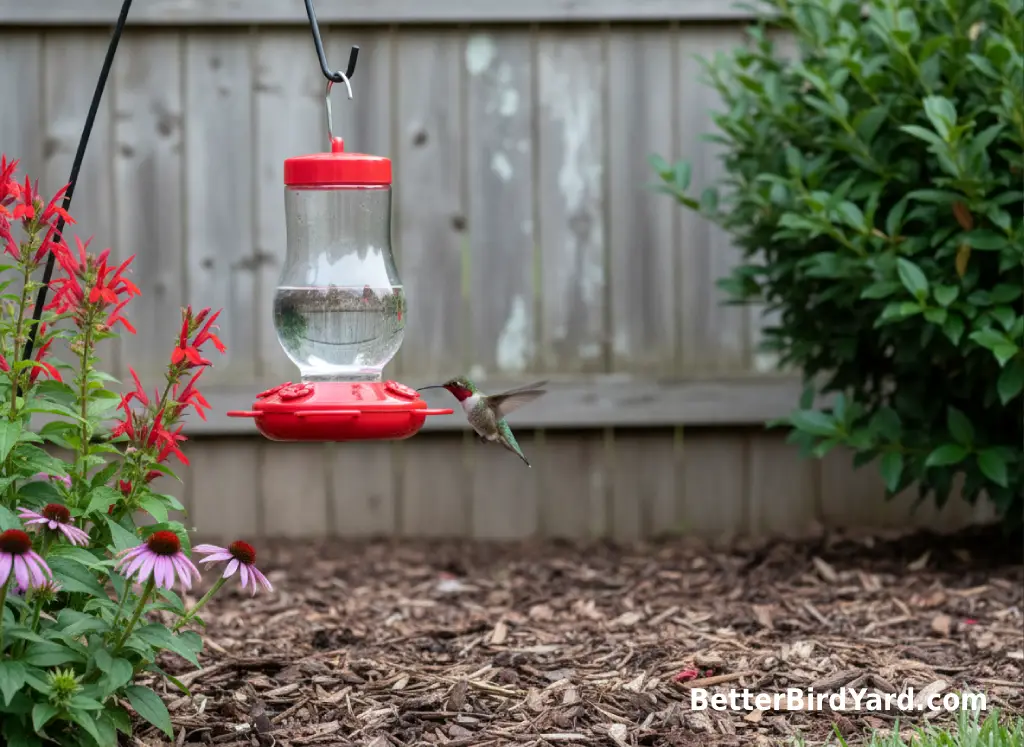
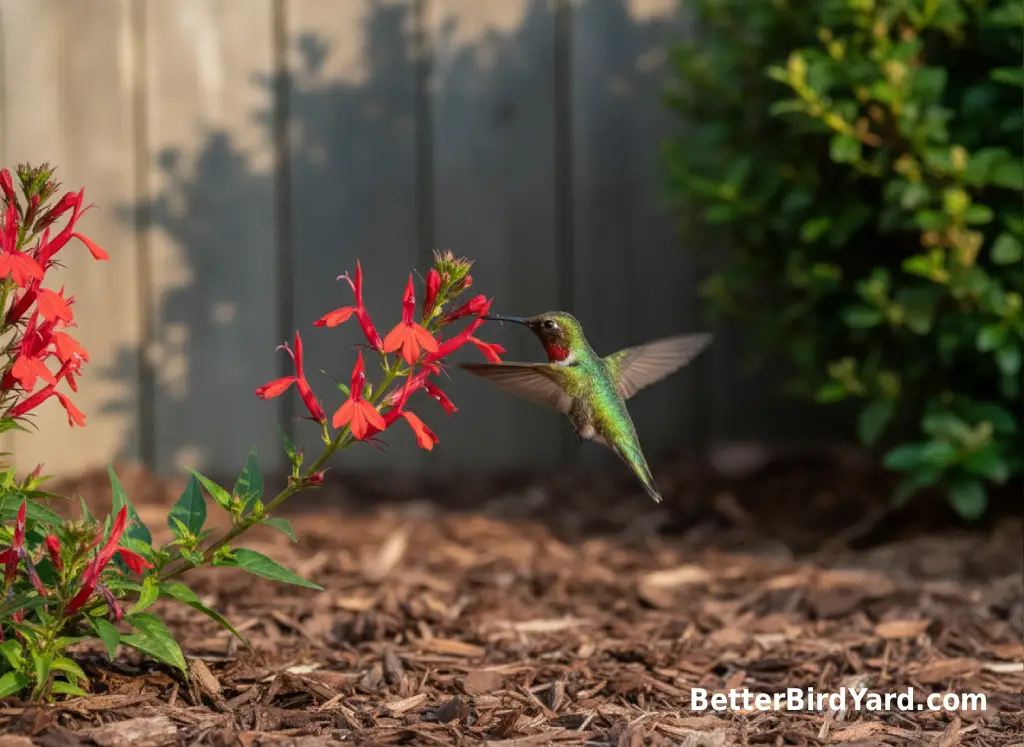
Nectar is the fuel that keeps hummingbirds moving. Their hovering flight, quick turns, territorial chases, and migration all require frequent energy. In a yard, that energy can come from nectar-rich flowers, tree sap, and a properly mixed feeder solution.
For feeders, the standard home mixture is simple: 1 part refined white table sugar to 4 parts water. Do not add red dye. Do not use honey, brown sugar, raw sugar, powdered sugar, artificial sweeteners, or corn syrup. Smithsonian’s National Zoo gives the same 1-to-4 recipe, says not to add red dye, and recommends refined white sugar rather than honey or unprocessed sugars.
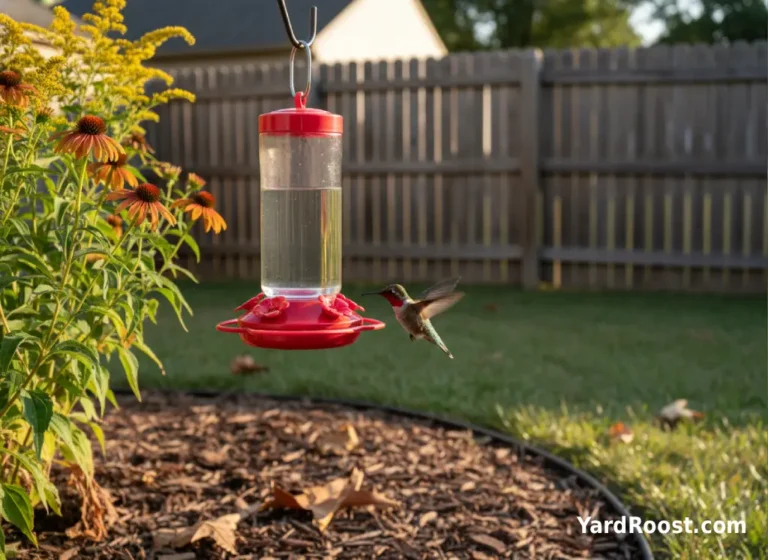
Flowers are still the better long-term foundation. Native plants can provide nectar and also support insects, which hummingbirds need for more than quick energy. The National Wildlife Federation specifically recommends native flowers for hummingbirds because they provide nectar and habitat for insects that become hummingbird food.
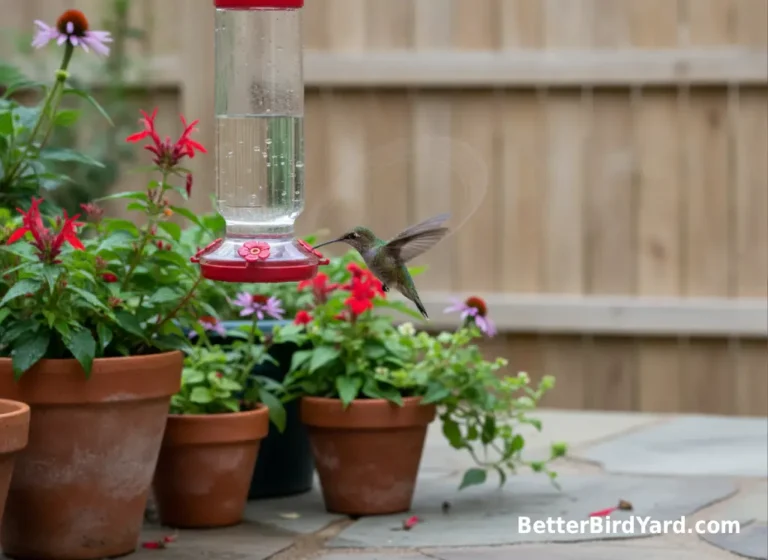
For a small space, start with two or three nectar plants that bloom at different times rather than trying to plant everything at once. Containers can work on patios if they get enough light and water. Choose plants suited to your region through a local extension office, native plant society, or reputable native plant nursery.
Insects And Spiders Are Part Of The Real Diet
A common beginner mistake is thinking hummingbirds live on sugar water alone. Nectar is important, but hummingbirds also catch insects in the air, take small prey from leaves, and pull insects or spiders from webs. Cornell Lab’s Ruby-throated Hummingbird account lists mosquitoes, gnats, fruit flies, small bees, spiders, small caterpillars, and aphids among the foods they may eat.
This is why a tidy-but-living yard often helps more than a sterile one. A few native shrubs, flowering perennials, leaf litter tucked under plantings, and reduced pesticide use can support the small insects that hummingbirds and many other birds depend on.
That does not mean you need a buggy yard or an unmanaged mess. In a suburban space, a practical middle ground is usually enough:
- Plant native flowers, shrubs, or vines that fit your region and space.
- Avoid spraying pesticides near feeders, flowers, and bird baths.
- Leave a small mulched or leafy area under shrubs where it is safe and allowed.
- Skip sticky traps or outdoor pest controls that could catch or harm wildlife.
Cornell’s Living Bird coverage also notes that hummingbird diets can shift with habitat and season, with some species feeding heavily on insects when conditions make that available. That is a useful reminder: a feeder is a supplement, not a complete hummingbird survival plan.
Water Helps With Drinking, Bathing, And Heat
Hummingbirds get liquid from nectar, but that does not mean water is irrelevant. They may use water sources for drinking and bathing, especially in hot, dry weather. National Wildlife Federation guidance notes that hummingbirds use water and may perch at the edge of a bird bath.
The trick is scale. A deep, open basin may be less useful for a tiny bird than a shallow edge, gentle drip, mister, bubbler, or damp leaves after a sprinkler runs. If you already have a bird bath, keep part of the rim shallow and easy to approach. If you use a mister, aim it at foliage rather than blasting an open area.
For renters or balcony birders, a small shallow dish with pebbles can be easier to clean than a heavy pedestal bath, but check lease, HOA, and local rules before adding water features.
Shelter Gives Hummingbirds Places To Rest And Nest
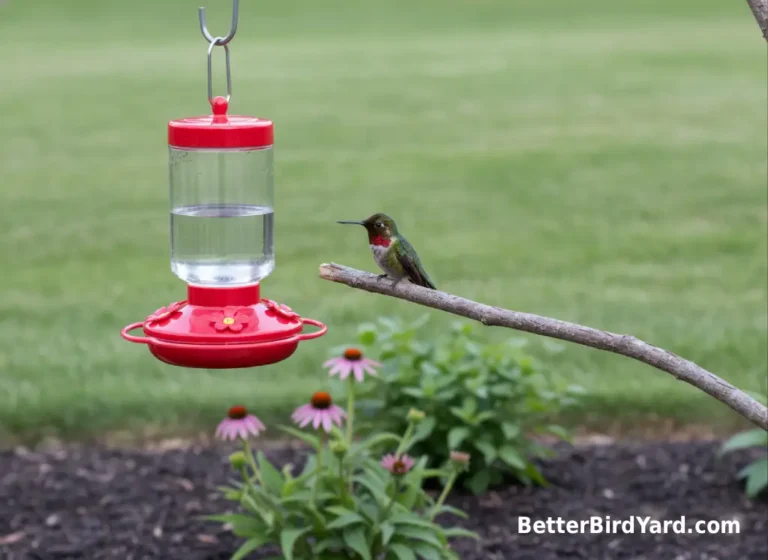
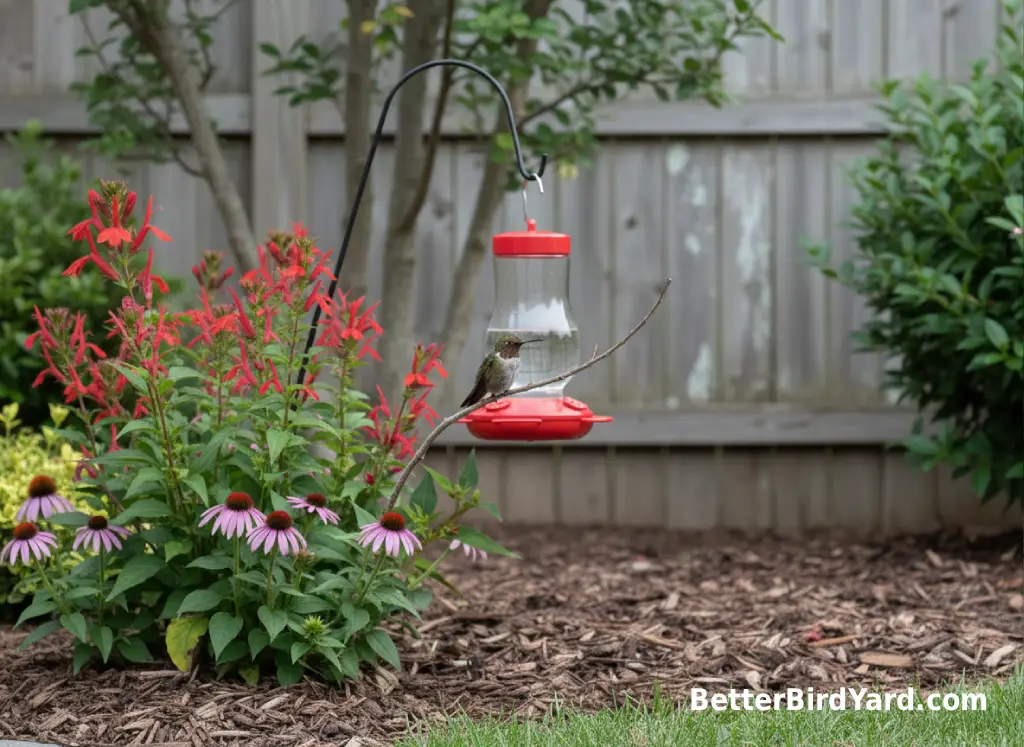
Hummingbirds need places to pause between feeding trips. A bare patio with only a feeder can still get visits, but a space with nearby shrubs or small trees gives birds more options for resting, watching, escaping wind, and avoiding predators.
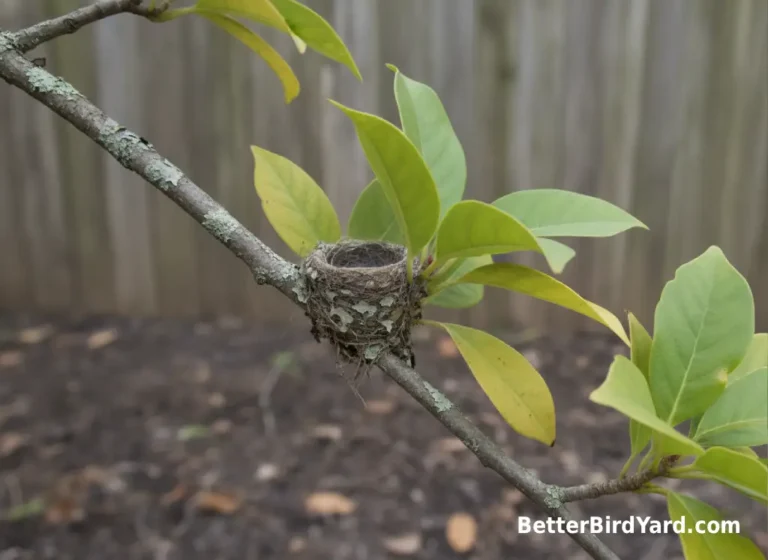
For nesting, hummingbirds do not use birdhouses. Female hummingbirds build tiny nests on sheltered branches, often in trees or shrubs. Cornell describes Ruby-throated Hummingbird nests as being built on slender branches, and National Wildlife Federation notes that trees and shrubs provide shelter and nesting places while also supporting insects.
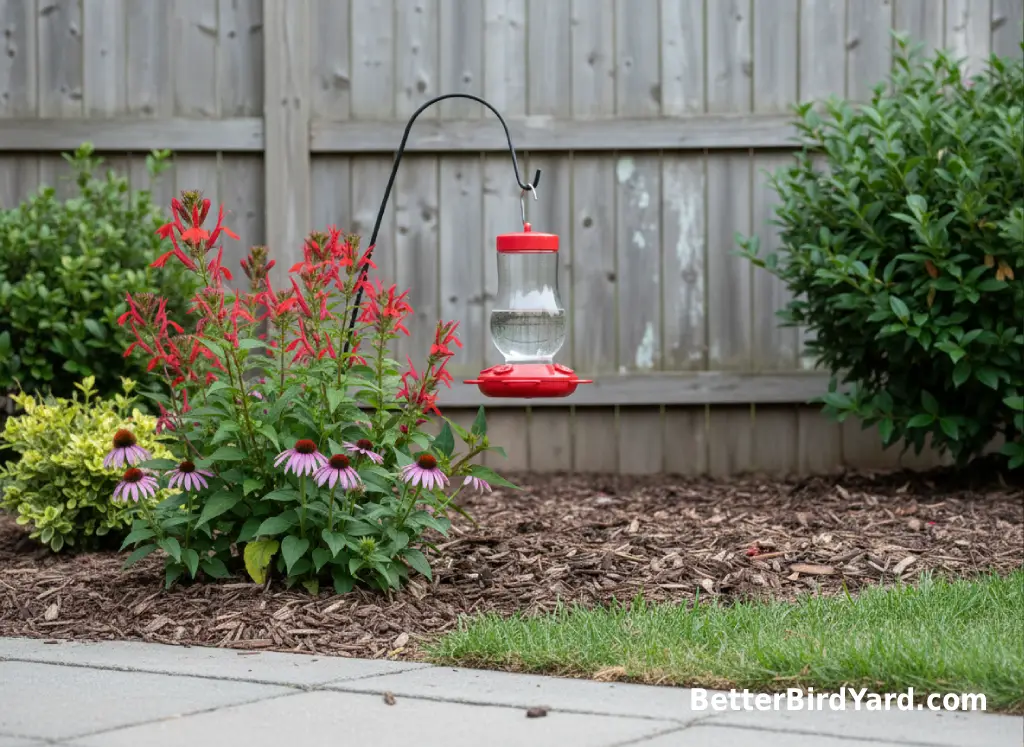
In a small yard, think in layers: one small tree if space allows, a shrub or two, flowers below, and a feeder placed where you can clean it easily. On a balcony, a container shrub may offer some cover, but do not assume a balcony is automatically safe. Watch for window reflections, building rules, and whether feeders attract conflict with neighbors, ants, or wasps.
One practical placement habit: do not hang a feeder in a completely exposed spot just because it looks pretty from indoors. A location with some nearby cover, partial shade, and easy access for cleaning is usually more useful.
How Hummingbirds Survive Winter
How hummingbirds survive winter depends on where they are and which species you are seeing. In much of the eastern and northern United States, Ruby-throated Hummingbirds leave for warmer wintering areas. Cornell describes Ruby-throated Hummingbirds as using tropical wintering habitats such as dry forests, citrus groves, hedgerows, and scrub.
In parts of the West Coast, Southwest, Gulf Coast, and milder southern areas, some hummingbirds may remain through winter. Anna’s Hummingbirds, for example, are familiar winter birds in parts of the West. Late migrants and occasional out-of-range hummingbirds can also appear in unexpected places.
Cold survival is not just about “being tough.” Hummingbirds can use torpor, a short-term energy-saving state in which body functions slow to conserve energy and heat. Audubon explains torpor as a state where an animal slows body functions, including heart rate, breathing, and body temperature; several bird species, including hummingbirds, can use brief torpor.
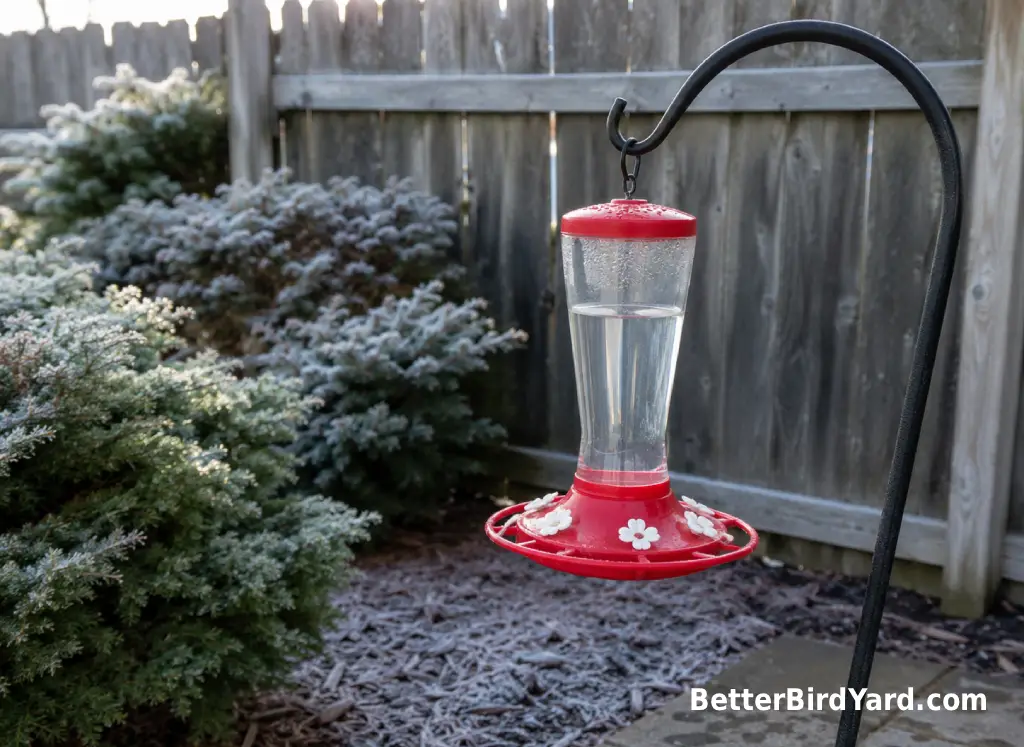
If you maintain a winter feeder where hummingbirds are present, consistency matters. A feeder that freezes, spoils, or is ignored for long stretches is not helpful. Keep homemade hummingbird food fresh, clean the feeder even in cold weather, and use safe methods to prevent freezing. Bringing a feeder indoors overnight and returning it early can be safer than improvised heating setups. Avoid dangling lights, exposed cords, or homemade heat sources that create fire, electrical, or wildlife hazards.
Clean Feeders Can Help, Dirty Feeders Can Harm
A clean hummingbird feeder is a useful supplement. A dirty one can become a problem quickly. Warm sugar water can spoil, and feeder ports can collect residue, mold, and insects. That is why feeder care belongs in any honest answer about what hummingbirds need to survive.
Use this simple routine:
- Mix 1 part refined white sugar with 4 parts water.
- Skip red dye, honey, brown sugar, raw sugar, and artificial sweeteners.
- Make small batches so nectar does not sit too long.
- Clean and refill every 1 to 3 days depending on weather and feeder activity.
- Clean immediately if nectar looks cloudy, mold appears, insects get inside, or a bird that appears sick has used the feeder.
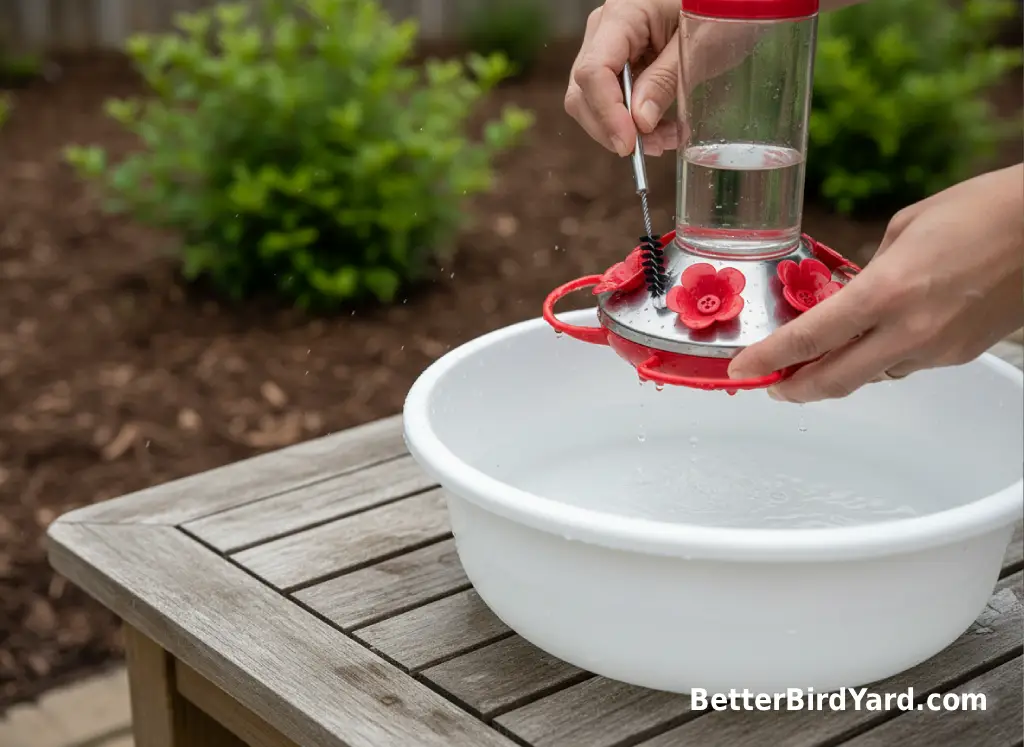
- Use hot water and a bottle brush; a weak vinegar solution can help with regular cleaning.
Audubon recommends cleaning hummingbird feeders every day or every other day in hot weather, every three days in temperate weather, and twice per week in cooler weather, with immediate cleaning if mold, insect problems, or a sick bird is involved. National Wildlife Federation gives a similar practical range of every 1 to 3 days depending on weather.
A smaller feeder that you can empty, scrub, and refill without waste is usually better. For a deeper cleaning walkthrough, add an internal link here: how to clean a hummingbird feeder.
Common Backyard Mistakes That Make Survival Harder
Most hummingbird mistakes are not dramatic. They are small habits that add up: nectar left too long, a feeder placed in full blazing sun, flowers sprayed for insects, or a window reflecting sky right beside a feeding route.
Watch for these problems:
- Cloudy nectar or black specks inside the feeder.
- Sticky feeder surfaces that attract ants, bees, or wasps.
- Feeders placed where outdoor cats can hide below.
- Feeders too close to untreated reflective windows.
- Heavy pesticide use around flowers and shrubs.
- Letting a winter feeder freeze or go uncleaned because birds visit less often.
Editorial note: If you only change one thing, make the feeder easier to clean. Put it where you see it every day, can reach it without a ladder, and will actually maintain it. A beautifully placed feeder that is hard to clean becomes a chore, and chores get skipped.
For windows, use visible exterior treatments where collisions are a concern. For cats, the safest approach is to keep pet cats indoors or away from bird activity areas. For pesticides, avoid spraying near flowers, feeders, baths, and shrubs used by birds. These steps are not about making a perfect yard; they are about reducing obvious risks.
Should You Leave Feeders Up For Migration Or Winter?
Leaving a hummingbird feeder up in fall will not stop hummingbirds from migrating. Cornell Lab explains that keeping feeders up does not influence whether hummingbirds begin migration; day length is one of the major triggers. Audubon also says hummingbird feeders can remain available as long as hummingbirds are around, including for late migrants or occasional out-of-range birds.
The real question is whether you can keep the feeder clean and fresh. If you are leaving town, forgetting cleanings, or seeing nectar go untouched for long periods, it is better to take the feeder down, clean it thoroughly, and store it.
In many cold-winter regions, hummingbirds simply are not present for most of winter. In milder areas, or in places where winter hummingbirds are regular visitors, a maintained feeder may offer helpful supplemental energy. But it should never be the only support you think about. Winter hummingbirds still need insects, safe cover, and reliable fresh nectar if a feeder is offered.
Use local information. Check your state wildlife agency, local Audubon chapter, bird club, or eBird patterns for your area. If you keep domestic poultry, follow current USDA, CDC, and state guidance during avian influenza concerns.
When A Hummingbird Looks Sick, Stunned, Or Unusual
Sometimes a hummingbird may look unusually still, weak, puffed, disoriented, trapped indoors, or unable to fly. Do not diagnose the bird from the backyard. Some behavior, such as torpor in cold conditions, can look alarming. Other situations may involve injury, window collision, illness, exhaustion, or another problem.
Your safest first steps are simple: keep pets and people away, do not try to feed or medicate the bird, and avoid handling unless a licensed rehabilitator, wildlife agency, animal control officer, or qualified professional gives you specific instructions. If the bird is in immediate danger from a cat, traffic, or a building interior, contact local qualified help for guidance.
If you notice a bird that appears sick at a feeder, take the feeder down, clean it thoroughly, and check local wildlife agency guidance. The CDC advises people who watch or feed birds to keep a safe distance from wild birds, clean feeders and bird baths regularly, wear disposable gloves when cleaning, and wash hands afterward. It also advises avoiding unprotected exposure to sick or dead animals and reporting unusual sick or dead birds through the appropriate state or federal channels.
BetterBirdYard is not a wildlife rehabilitation service, veterinary service, public health agency, or legal authority. For a sick, injured, stunned, orphaned, trapped, or unusually behaving hummingbird, use a licensed wildlife rehabilitator or local wildlife agency as your next step.
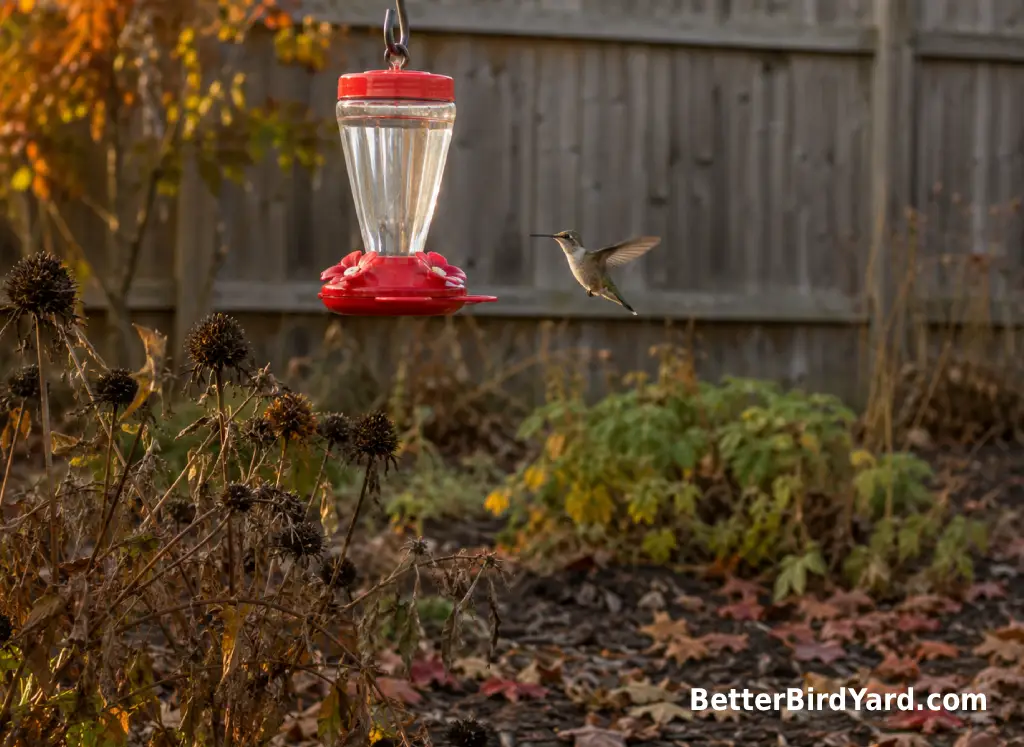
A Small-Space Hummingbird Survival Setup
You do not need a large property to support hummingbirds responsibly. A renter with a patio can still offer a few useful pieces, as long as the setup is clean, safe, and allowed where they live.
A simple small-space plan could include one small feeder, two containers of region-appropriate nectar flowers, one potted shrub or vine for cover if space allows, and a shallow water source that can be emptied and cleaned easily. Place the feeder where you can see it, reach it, and keep it out of the harshest afternoon sun.
| Survival Need | Small-Space Option | What To Watch |
|---|---|---|
| Energy | Small clean nectar feeder and blooming containers | Cloudy nectar, mold, ants, wasps, or skipped cleanings |
| Protein | Native flowers and shrubs that support small insects | Pesticide use and overly sterile planting areas |
| Water | Shallow dish, mister, or clean bird bath edge | Stagnant water, slippery buildup, mosquito breeding |
| Shelter | Potted shrub, nearby tree, or layered planting | Predator hiding spots and window-collision risk |
| Safety | Partial shade, clean setup, pets kept away | Outdoor cats, reflective glass, local rules, neighbor concerns |
Conclusion: Help The Whole Bird, Not Just The Feeder Visit
Hummingbirds need nectar, insects, water, shelter, nesting cover, and safer surroundings. In winter, many survive by migrating to warmer areas, while some remain in milder regions and use a mix of natural food, cover, torpor, and sometimes clean feeders.
The best backyard support is simple and consistent. Plant native nectar flowers, that attract hummingbirds, where you can. Avoid pesticides around the plants and feeding areas hummingbirds use. Offer clean water in a shallow, manageable way. Keep feeders small, fresh, and easy to clean. Reduce obvious hazards from cats, windows, spoiled nectar, and neglected water.
A hummingbird feeder can be a wonderful window into their lives, but it should not be the whole plan. The stronger plan is a small, safe habitat that supports the bird’s full diet and daily routine. That is what gives your yard a better chance of helping hummingbirds without creating new risks for the very birds you hoped to support.