Winter Bird Feeding Tips For Clean, Busy Feeders
Feeding birds in winter can be one of the simplest ways to enjoy backyard bird watching while offering useful supplemental food during cold, icy, or snowy weather. The key word is supplemental. Wild birds still use natural foods, shrubs, seeds, insects, and nearby habitat, so a feeder should support their normal foraging rather than replace it.
For most beginners, the best winter bird feeding setup is simple: offer fresh black-oil sunflower seed or sunflower hearts in a clean feeder, add suet during cold weather, keep seed dry, provide unfrozen water if you can maintain it safely, and clean feeders regularly. Cornell Lab’s All About Birds notes that moldy seed, decomposing hulls, droppings, and contaminated feeder surfaces can spread disease, so winter feeding should always include sanitation, not just refilling.
This guide is written for ordinary US yards, patios, balconies, and small suburban spaces. It covers what to feed birds in winter, what to avoid, how to keep a winter bird feeder safe, and when to pause feeding if something looks wrong.
Should You Feed Birds In The Winter?
Yes, you can feed birds in the winter when you are willing to keep the food fresh and the feeding area clean. Winter is a practical time to offer supplemental food because natural foods may be harder to reach during storms, ice, deep snow, or long cold snaps. Audubon Great Lakes recommends providing winter food, water, and clean feeders while also keeping birdbaths fresh and feeder areas maintained.
The most helpful approach is steady but not fearful. Birds will visit your feeder, but they are not usually depending on one backyard feeder as their only food source. Cornell’s feeder maintenance guidance notes that it is fine for feeders to be empty during school breaks because birds use many food sources, not just one feeder.
So the answer to should you feed birds in the winter is: yes, if you can do it responsibly. Put out food you can keep dry, use feeders you can reach and clean, and avoid creating a crowded, messy station that attracts rodents or spreads spoiled food. In a small yard or patio, one well-kept feeder is better than four neglected ones.
Best Bird Feed For Winter
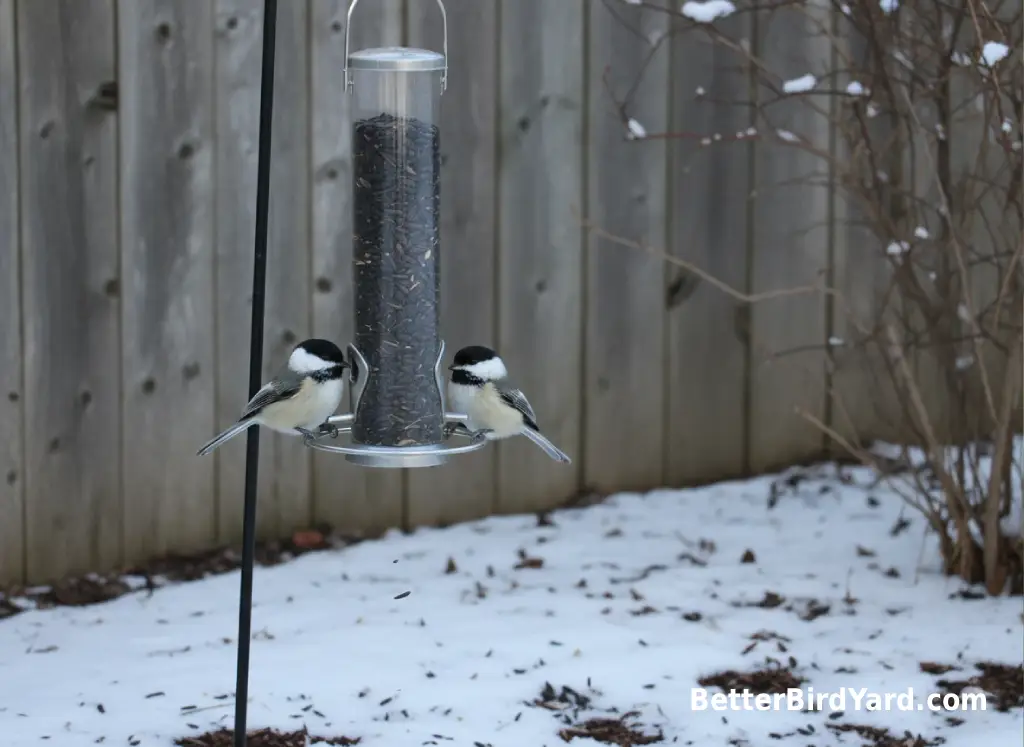
The best bird feed for winter is usually high-energy, fresh, dry, and easy for birds to access. Cornell Lab’s All About Birds describes sunflower as the mainstay for most backyard feeders, with black-oil sunflower seed especially useful because its thin shell is easy for many seed-eating birds to crack and its kernel has high fat value for winter birds.
For a beginner winter bird feeder, start with one of these simple options:
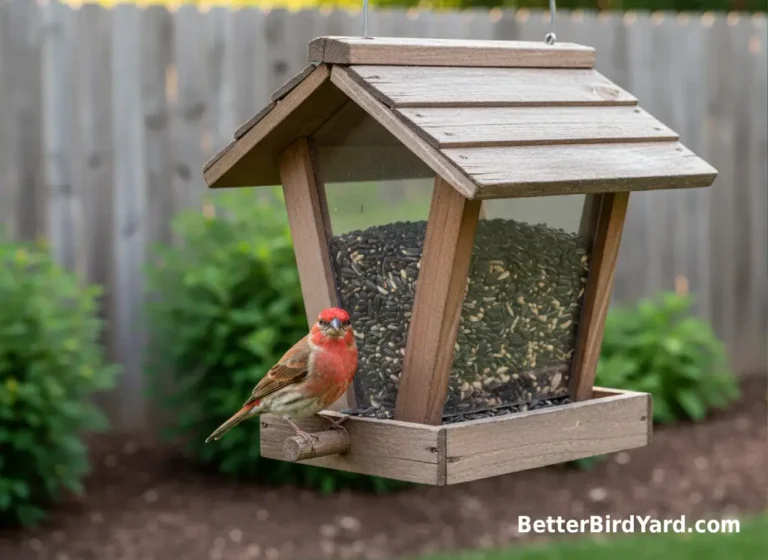
- Black-oil sunflower seed for a wide mix of seed-eating feeder birds.
- Sunflower hearts or chips for less shell mess, offered in small amounts because hulled seed spoils faster without its shell.
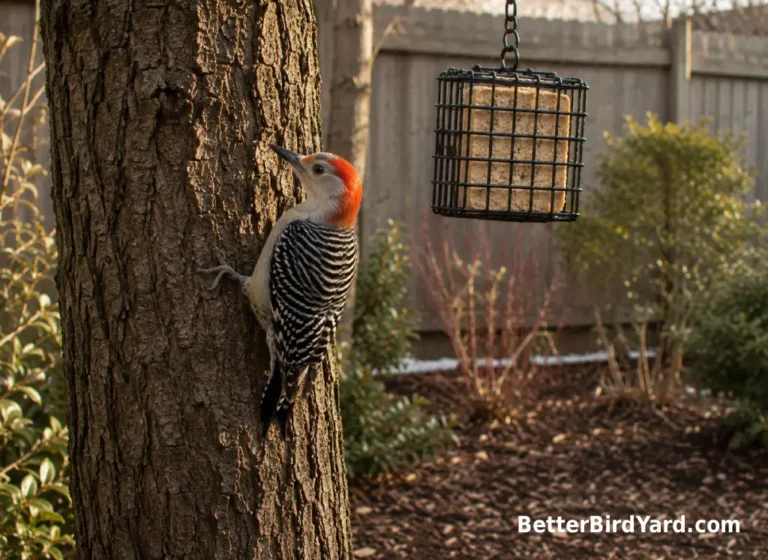
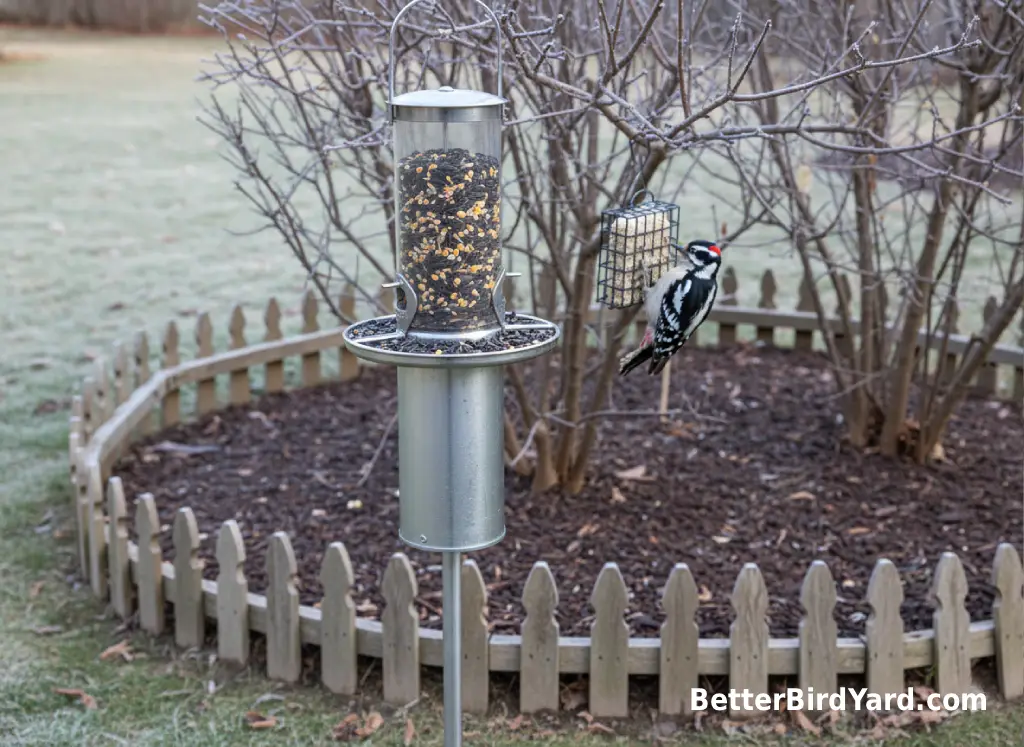
- Suet in cold weather for woodpeckers, nuthatches, chickadees, and other birds that use fat-rich foods; Mass Audubon notes that suet is high in calories and especially valuable in cold weather.
- Nyjer seed in a proper finch feeder if you regularly see goldfinches, siskins, or other finches in your area.
- Unsalted, dry-roasted, shelled peanuts in a peanut feeder or mixed sparingly with seed, especially for jays, woodpeckers, nuthatches, chickadees, and titmice.
Avoid cheap mixes loaded with filler seeds if birds in your yard simply toss them aside. Cornell notes that seed mixtures with red millet, oats, and other fillers are often unattractive to most birds and can create waste as birds sort through the mix.
A practical BetterBirdYard rule: buy less seed more often if your storage area is damp, your feeder gets wet, or birds are slow to find it. Fresh, dry food matters more than a giant bargain bag sitting open in a garage all winter.
How To Set Up A Winter Bird Feeder That Works
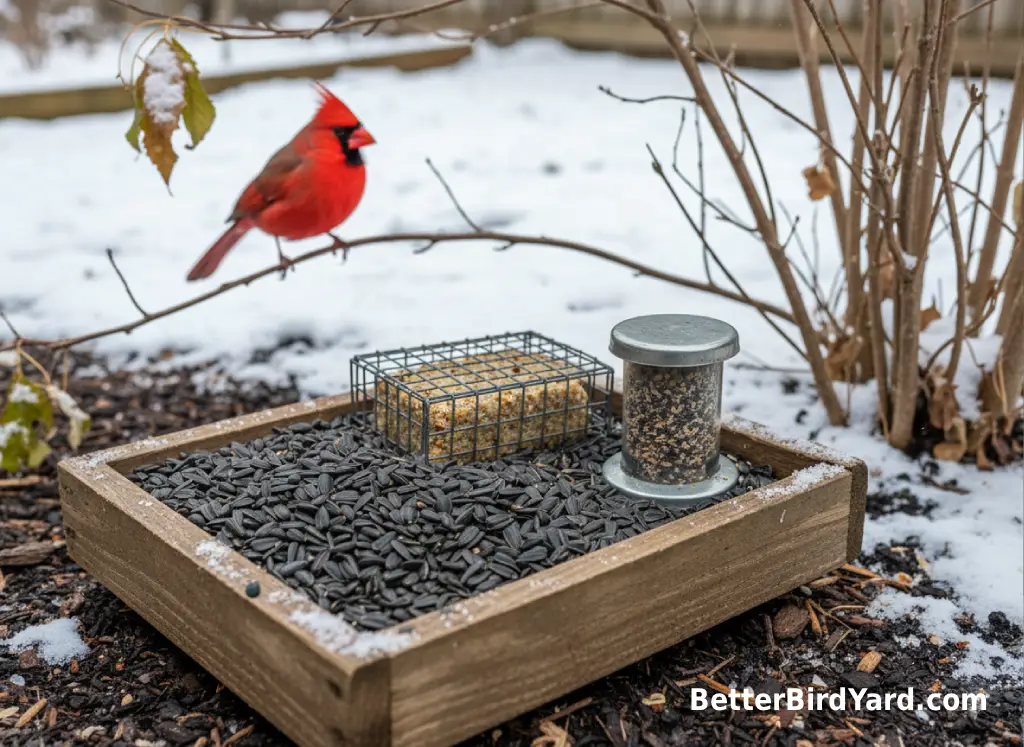
A good winter bird feeder setup is easy for birds to find, easy for you to clean, and hard for seed to spoil. Tube feeders and hopper feeders can help keep seed out of snow and rain, but they still need regular emptying and cleaning. Cornell’s feeder guide warns that old seed can remain below the lowest feeding ports in some tube feeders, where birds cannot reach it and where it may get moldy.
For a simple setup, place your feeder where you can see it and safely reach it after snow or ice. A feeder that looks perfect from the kitchen window but requires crossing a frozen slope will not get cleaned often enough. Add a squirrel baffle if squirrels are a daily problem, and keep seed in a sealed, dry container so rodents cannot get into it.
Window placement deserves attention. Cornell’s classroom feeder guidance notes that window strike risk can be reduced by placing feeders very close to windows, within about 3 feet, or far away, more than 30 feet, because birds are less likely to build up dangerous speed near the glass and may be less likely to perceive distant windows as fly-through space.
For small patios and balconies, a compact window feeder or a small hanging feeder may be enough. Check lease, balcony, HOA, and local rules before putting up feeders, especially where spilled seed, rodents, bears, or shared outdoor space are concerns. Rules vary by building, city, county, and state.
What To Feed Birds In Winter From The Kitchen
Kitchen foods should be an occasional supplement, not the base of winter bird feeding. The safest answer for what to feed birds in winter from the kitchen is usually very limited: plain, unsalted, dry-roasted shelled peanuts, or small pieces of fresh fruit such as apple or grapes, placed out only in amounts birds can finish before the food freezes, dries out, or spoils. Audubon lists unsalted dry-roasted peanuts and small servings of fruit among winter feeding options, while Mass Audubon notes that many birds will eat fruit but that it should be offered in a controlled way.
Do not put out bread, crackers, salty snack foods, seasoned nuts, moldy food, spoiled fruit, or greasy leftovers. Mass Audubon specifically warns against processed human foods such as bread and crackers because they fill birds without providing useful nutrition.
Water And Shelter Matter In Cold Weather
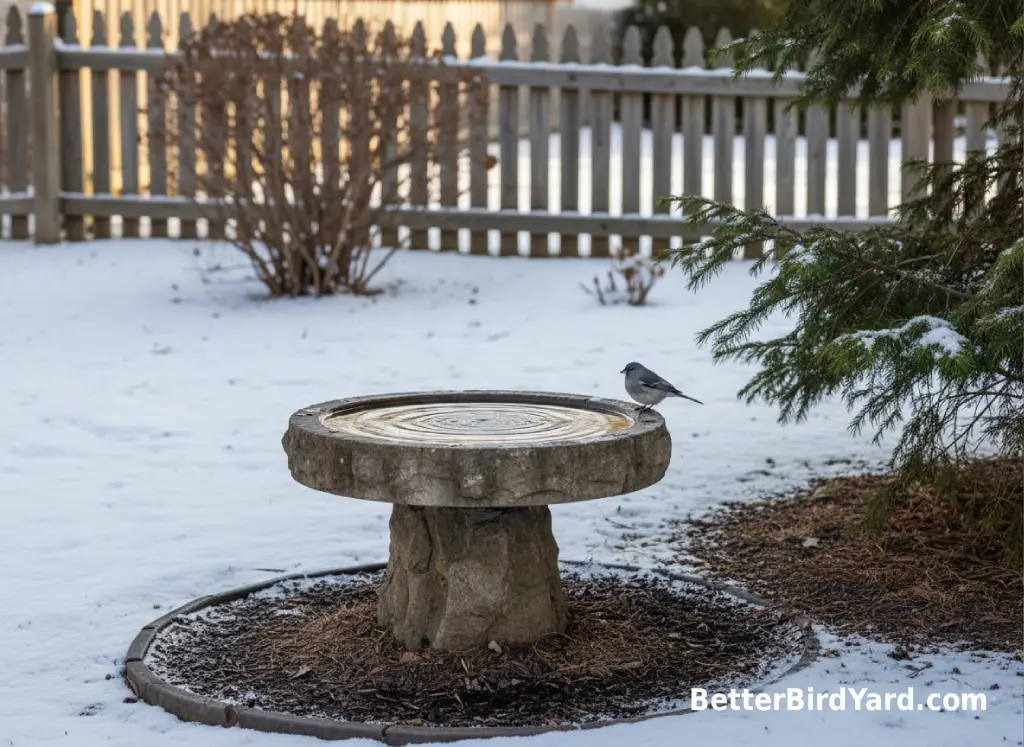
Food gets most of the attention, but unfrozen water can be very useful in winter when natural water is locked under ice or snow. Audubon Great Lakes recommends providing winter water, especially when there is no snow, and freshening birdbath water every other day if possible.
Use a shallow bath with good footing, and choose a heater designed for outdoor bird baths if you use electricity. Avoid unsafe shortcuts. Mass Audubon warns not to use glycerin in bird baths to keep water from freezing because it can be toxic if ingested and can harm the insulating properties of feathers.
Shelter also matters. A feeder in a completely exposed spot may feel risky to birds, especially in windy weather. Nearby shrubs, a brush pile, or evergreen cover can provide quick escape and resting cover, but avoid placing feeders so close to dense hiding spots that cats can ambush birds. In a small yard, aim for a balanced setup: visible from your window, reachable for cleaning, near enough to cover to feel safe, and not tucked into a predator hiding place.
Winter is also a good time to think beyond the feeder. The National Wildlife Federation encourages native plants, seed-producing plants, fruiting shrubs, and year-round water as part of a broader bird-friendly yard. Feeders are helpful, but habitat is the long-term support system.
Cleaning Feeders In Winter Without Making It Complicated
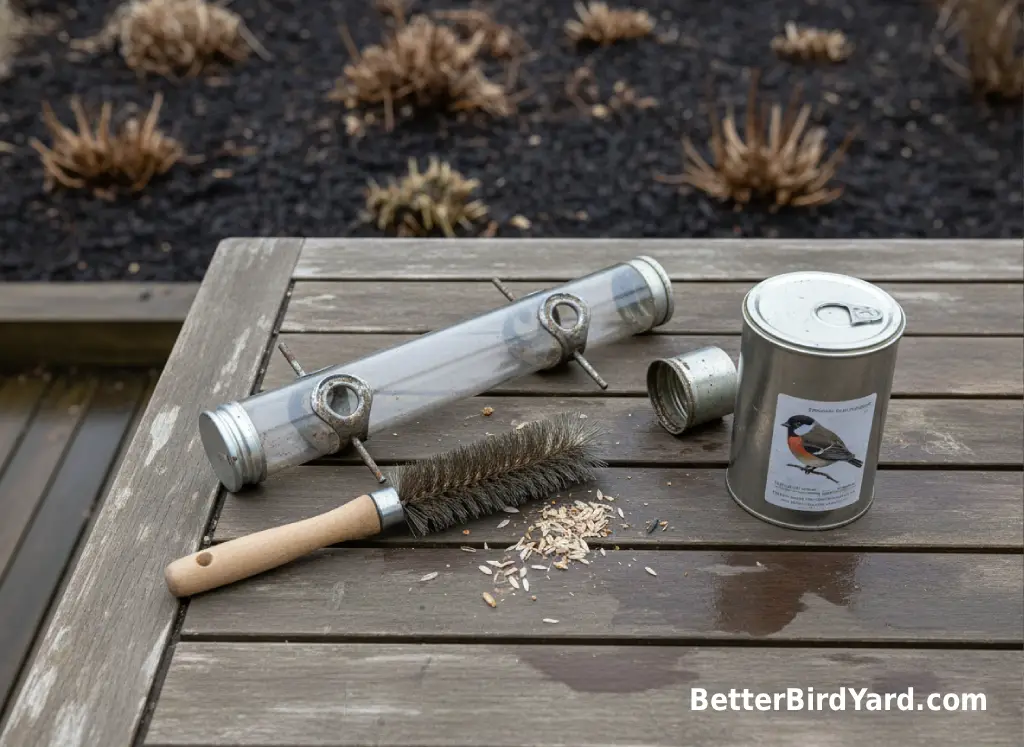
Clean feeders about every one to two weeks, and more often during wet weather, heavy use, local disease reports, or whenever you see mold, caked seed, droppings, or sick-looking birds. Cornell Lab’s All About Birds recommends cleaning feeders about once every two weeks, more often during heavy use or wet weather, and cleaning the ground below feeders to prevent hulls, uneaten seed, and waste from building up.
A practical winter cleaning routine:
- Empty old seed instead of topping it off.
- Take the feeder apart if the design allows it.
- Scrub visible debris with hot water and dish soap.
- Use a dilute bleach solution when deeper sanitation is needed, then rinse thoroughly.
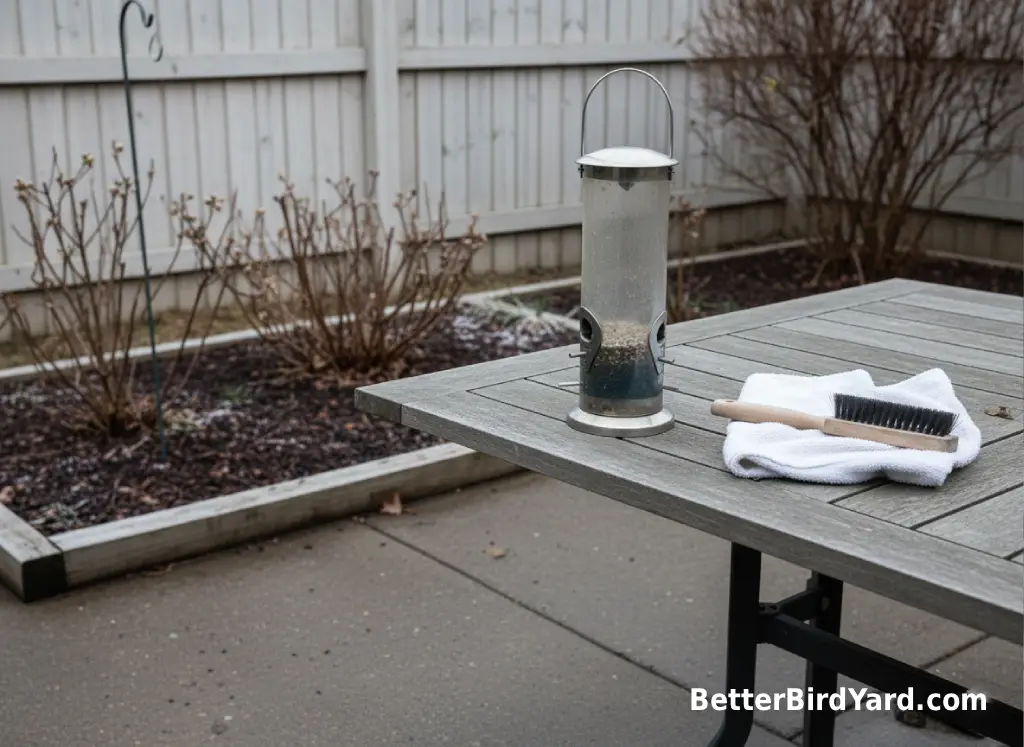
- Let every part dry completely before refilling.
- Rake or sweep old seed hulls and spilled food from under the feeder.
Cornell’s cleaning guidance says feeders may be cleaned in a dishwasher on a hot setting if dishwasher-safe, or hand washed with soap and boiling water or a dilute bleach solution of no more than 1 part bleach to 9 parts water; feeders should be thoroughly rinsed and dried before refilling.
Editorial note: drying is not a tiny detail. Wet seed in a closed feeder can spoil quickly, and a feeder that looks clean but is still damp can create the exact problem you were trying to prevent. For a small patio, keep one easy-to-clean feeder rather than a collection of decorative feeders with seams you cannot scrub.
Common Winter Bird Feeding Mistakes To Avoid
Most winter bird feeding problems are not caused by feeding itself. They come from wet seed, crowding, dirty feeders, poor placement, and food on the ground. Cornell warns that moldy or decomposing seeds and hulls can make birds sick, and that food scattered on the ground can attract rodents.
Avoid these common mistakes:
- Pouring fresh seed over old seed without checking the bottom of the feeder.
- Using hulled sunflower chips in a damp tube feeder where moisture collects.
- Leaving suet, fruit, or peanuts out after they become wet, spoiled, or rancid.
- Putting out more food than birds can eat before it gets buried by snow or soaked by rain.
- Ignoring the mess below the feeder.
- Feeding directly on the ground in a way that attracts rodents, deer, raccoons, or other unwanted wildlife.
- Placing feeders where cats can hide nearby.
- Assuming a feeder is safe just because birds are using it.
In wet winter climates, a covered feeder and smaller refills usually beat a large open tray. In very cold but dry weather, suet may be useful, but it still needs to be fresh and protected from contamination.
When To Stop Feeding Birds For Winter
You do not need to stop feeding birds just because it is winter. Many people feed through the cold months and stop, reduce, or change their setup when conditions call for it. Birds will continue to forage beyond your yard, so a temporary pause is usually safer than running a dirty or risky feeder. Cornell’s classroom feeder guidance says there is no risk to bird survival from leaving feeders empty during school breaks because birds use many food sources.
Pause winter bird feeding when:
- You see birds that appear sick, unusually weak, lethargic, or unable to fly normally.
- Seed is moldy, wet, caked, or foul-smelling.
- You cannot clean the feeder because of ice, travel, illness, or access problems.
- Rodents, raccoons, deer, bears, or other unwanted wildlife are being drawn to the feeding area.
- Local wildlife agencies advise taking feeders down during a disease event or other local concern.
- Your apartment, HOA, city, county, or state rules do not allow your current setup.
If you stop feeding, empty and clean the feeder rather than leaving stale food outside. When you restart, use fresh seed and begin with small amounts. Birds may take a few days to return, especially if the weather has changed or other food sources are available.
Sick Birds, Avian Flu, And When To Get Local Help
Do not try to diagnose, treat, or casually handle a sick, injured, stunned, or unusually behaving wild bird. Project FeederWatch explains that only veterinarians or federally licensed wildlife rehabilitators can legally treat wild birds and advises people not to try to care for compromised wild birds themselves.
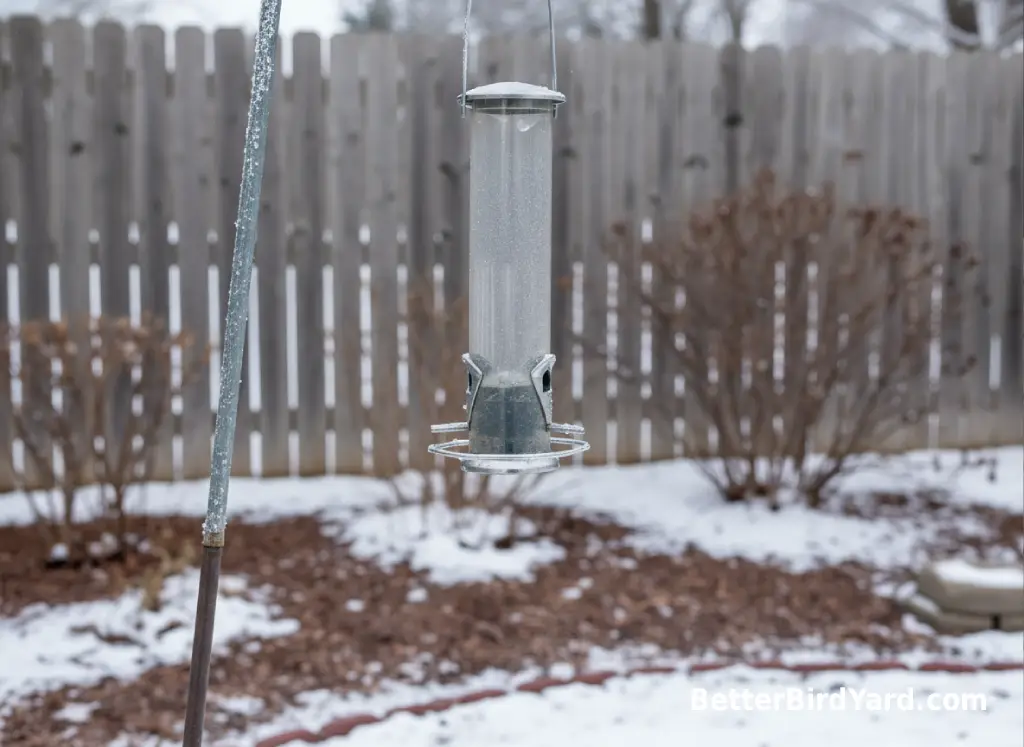
If a sick-looking bird visits your feeder, take down the feeder that bird used, clean the feeder and the area thoroughly, and leave it down long enough for birds to disperse. Project FeederWatch recommends removing feeders used by sick birds for a couple of weeks to reduce the chance of disease spreading at the feeder.
Avian flu guidance can change by location and outbreak status, so use current local and federal sources. The U.S. Fish and Wildlife Service says bird feeders are unlikely to increase the spread of avian influenza because the species that commonly visit feeders are not commonly infected, but feeders can concentrate passerines and increase the risk of other infectious diseases such as salmonella, E. coli, and mycoplasma.
USDA APHIS continues to track highly pathogenic avian influenza detections in wild birds in the United States, and its wild bird detections page was last modified on May 22, 2026. APHIS notes that wild birds can carry HPAI to new areas during migration, which is especially important for people with poultry or domestic birds.
If you keep chickens, ducks, geese, or other domestic birds, be extra cautious about attracting wild birds near your flock. Follow USDA APHIS, your state agriculture department, and your state wildlife agency guidance. If you find dead wild birds, unusual die-offs, or a bird that appears to need intervention, contact your state wildlife agency, animal control, or a licensed wildlife rehabilitator for local instructions.
A Simple Winter Feeding Routine For Small Yards And Patios
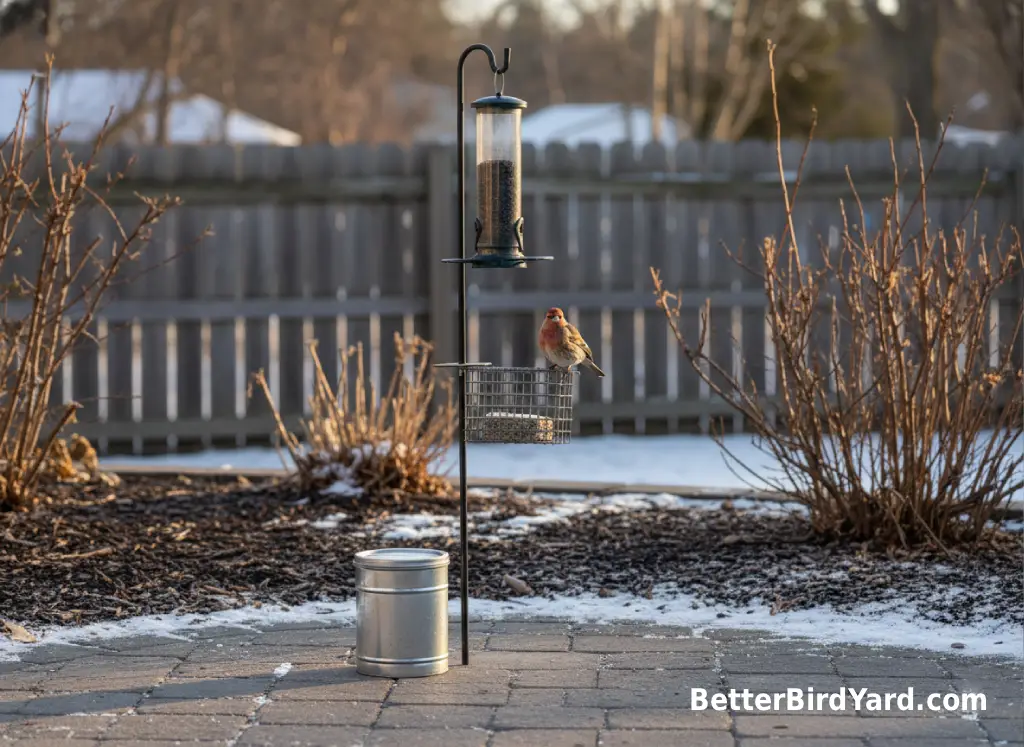
A small, consistent routine is easier to maintain than an ambitious feeder station. For most beginners, start with one clean feeder of black-oil sunflower seed or sunflower hearts. Add a suet cage during cold weather if you can keep it fresh and protected. Add a bird bath only if you can keep the water clean and safe.
Here is a simple winter rhythm:
- Every day or two: look for wet seed, empty ports, squirrel damage, and spilled food below the feeder.
- After snow or rain: shake loose compacted seed, remove caked food, and replace anything wet or moldy.
- Every one to two weeks: clean and fully dry feeders before refilling.
- During heavy bird traffic: refill smaller amounts more often instead of packing the feeder full.
- When you see sick-looking birds: pause feeding, clean thoroughly, and check local guidance.
The best winter bird feeding habit is observation. If birds are eating everything quickly and the feeder stays clean, your setup may be working well. If seed is sitting for days, the ground is messy, squirrels are dominating, or food keeps getting wet, simplify. A cleaner, smaller setup is usually better for birds than a crowded station that is hard to maintain.
Final Thoughts On Feeding Birds In Winter
Feeding birds in winter is worth doing when the setup is clean, simple, and safe. Start with fresh black-oil sunflower seed, add suet if it fits your yard, keep food dry, and clean feeders before grime becomes a problem. Add water if you can maintain it safely, and remember that native shrubs, seed heads, leaf litter, and natural cover help birds beyond what any feeder can provide.
The goal is not to attract the most birds at any cost. The goal is to support wild backyard birds responsibly while giving yourself a calmer, closer look at winter bird life. A few chickadees on a clean feeder, a cardinal waiting in a shrub, or juncos working the snowy edges of a garden bed can be more rewarding than a crowded, messy station.
If conditions change, change your feeding. Pause during disease concerns, remove spoiled food, follow local wildlife guidance, and do not handle sick or injured birds. Winter bird feeding works best when it stays flexible, observant, and grounded in everyday care.