Feeding Birds In Summer: What To Offer And When To Stop
Feeding birds in summer is usually fine, and it can be a wonderful way to watch cardinals, finches, chickadees, woodpeckers, hummingbirds, and other backyard visitors up close. The catch is that summer bird feeding needs a different mindset than winter feeding. Heat, humidity, rain, ants, spoiled nectar, melting suet, and crowded feeders can create problems faster than many beginners expect.
The simple answer: you do not have to stop feeding birds in the summer, but you should feed smaller amounts, keep food dry and fresh, clean feeders often, and pause feeding if you see sick birds or if your local wildlife agency recommends it. Cornell Lab’s summer feeding guidance emphasizes keeping seed from sitting too long in hot, humid weather and discarding moldy seed rather than trying to salvage it.
Think of summer feeding as light supplemental support, not a full backyard buffet. Natural foods, insects, native plants, clean water, and safe cover all matter. A clean feeder can help birds; a neglected feeder can do harm.
Should You Feed Birds In Summer?
Yes, you can feed wild birds in summer if you are willing to keep the setup clean and simple. Summer feeding is not as critical as winter feeding in many places because birds usually have more natural food available, but feeders can still offer helpful supplemental food and excellent observation opportunities.
The biggest difference is maintenance. In winter, seed may stay usable longer in cold, dry weather. In summer, the same full feeder can turn damp, clumpy, or moldy after rain or humidity. Hummingbird nectar can ferment quickly in heat. Suet can soften, melt, or become greasy. Platform feeders can collect droppings and seed hulls if they are not cleaned.
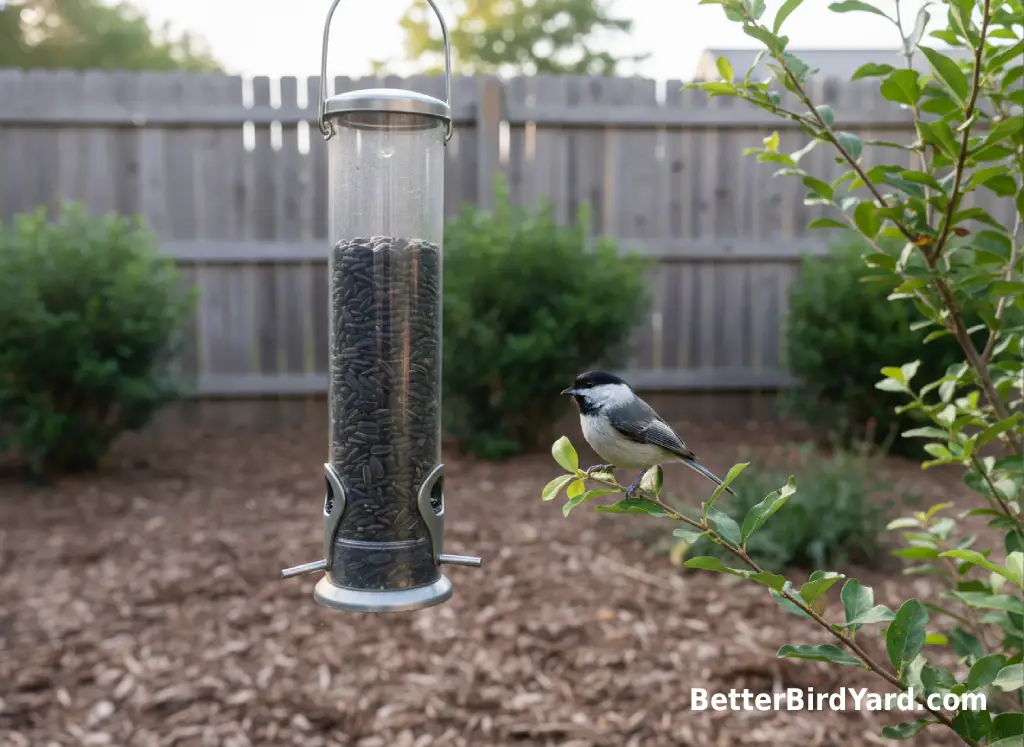
For most backyard bird watchers, the best approach is to keep feeding if you enjoy it, but scale down. Fill feeders halfway or less. Refill more often with fresh food. Move feeders occasionally if the ground underneath gets messy. Watch for seed that is sticking together, smells musty, or looks fuzzy. Cornell Lab advises getting rid of moldy seed from both feeders and storage containers because moldy food is unsafe for birds.
If summer feeding starts to feel like a chore, it is okay to pause. Birds are not relying on one backyard feeder alone. A clean bird bath, native flowers, shrubs, and a pesticide-light yard may be more valuable than a constantly full feeder.
What Summer Birds Actually Need From Your Yard
Summer birds need more than seed. Many are nesting, molting, feeding young, avoiding predators, and coping with heat. Feeders can be part of that picture, but they should not be the whole plan.
In summer, insects become especially important for many birds raising young. Cornell Lab notes that native plants support insects and also provide buds, fruits, seeds, shelter, and nesting places for birds. Even a renter with a patio can help by adding a pot of native flowers, a small shrub where allowed, or a few pesticide-free containers that attract insects and provide cover.
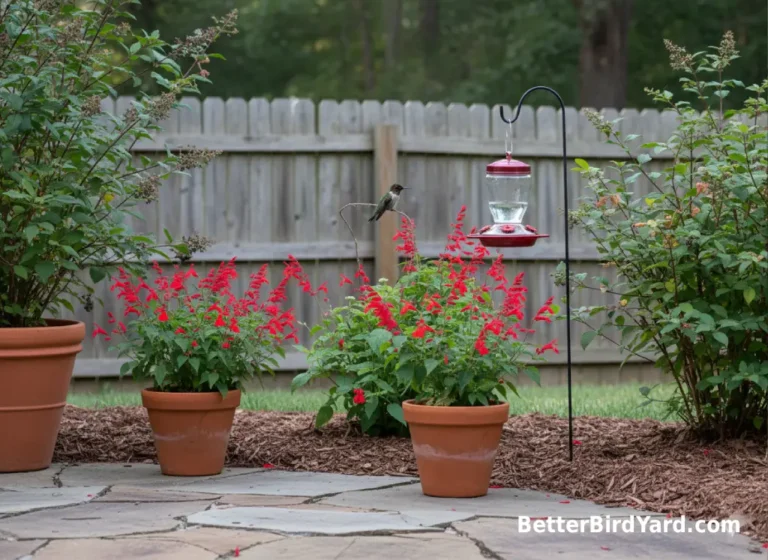
A practical summer setup has three layers: a modest feeder, clean water, and plants. The feeder brings birds close enough to watch. The water helps during hot, dry stretches. The plants support natural food and give birds places to pause before approaching the feeder.
If you only have space for one improvement beyond a feeder, add water. If you have space for two, add a shallow bird bath and a native plant suited to your region. If you own your yard, consider gradually replacing a little lawn with native shrubs, seed-bearing perennials, or small trees recommended by your state extension office or Audubon’s native plant resources.
Best Summer Feeder Foods For Ordinary Backyards
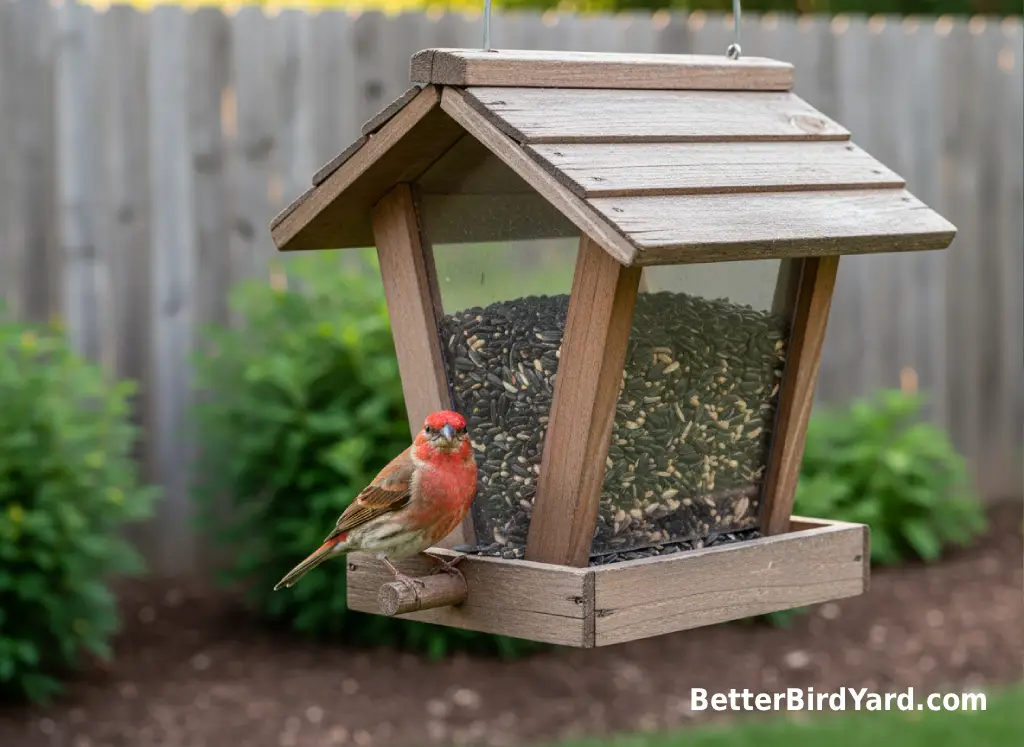
For beginner summer bird feeding, keep the menu simple. A small amount of fresh black oil sunflower seed is a good starting point for many common feeder birds. Sunflower hearts or chips can reduce shell mess, although they spoil faster when wet because the protective hull has been removed. Safflower may be worth trying if squirrels or certain bully birds are a problem, though results vary by yard.
Nyjer can work well for goldfinches, especially in a clean mesh or tube feeder, but it should stay dry. Wet nyjer can clump and spoil. Peanuts can attract jays, woodpeckers, chickadees, and titmice, but they should be fresh, unsalted, and offered in small amounts. Mealworms may interest bluebirds, wrens, robins, and other insect-eating birds, but they should not replace the insects birds find naturally in a healthy yard.
Avoid bread, salty snacks, moldy seed, stale pantry scraps, and heavily processed human foods. These do not support birds well and can create mess, rodents, or health risks.
In a typical suburban yard, we would rather see one clean feeder filled lightly than three overfilled feeders that sit for days. If food is not moving, reduce the amount. If rain is in the forecast, fill less. If seed is wet, sour-smelling, or fuzzy, throw it out and clean the feeder before refilling.
Should You Feed Birds Suet In The Summer?
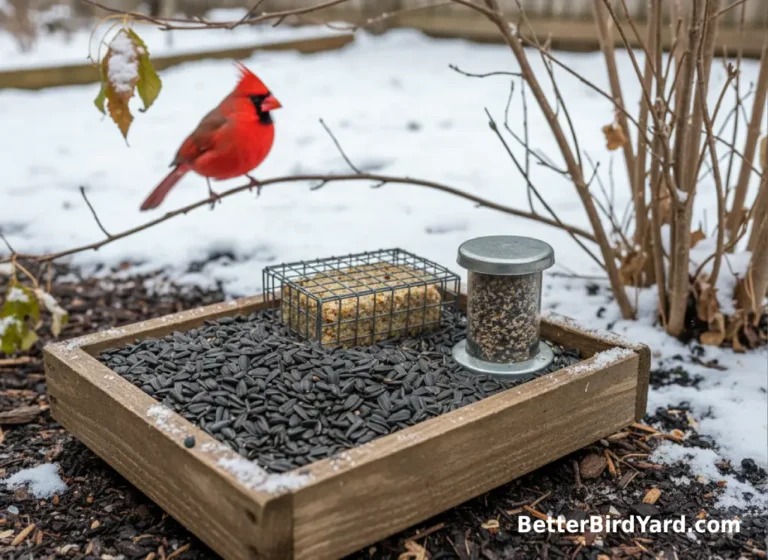
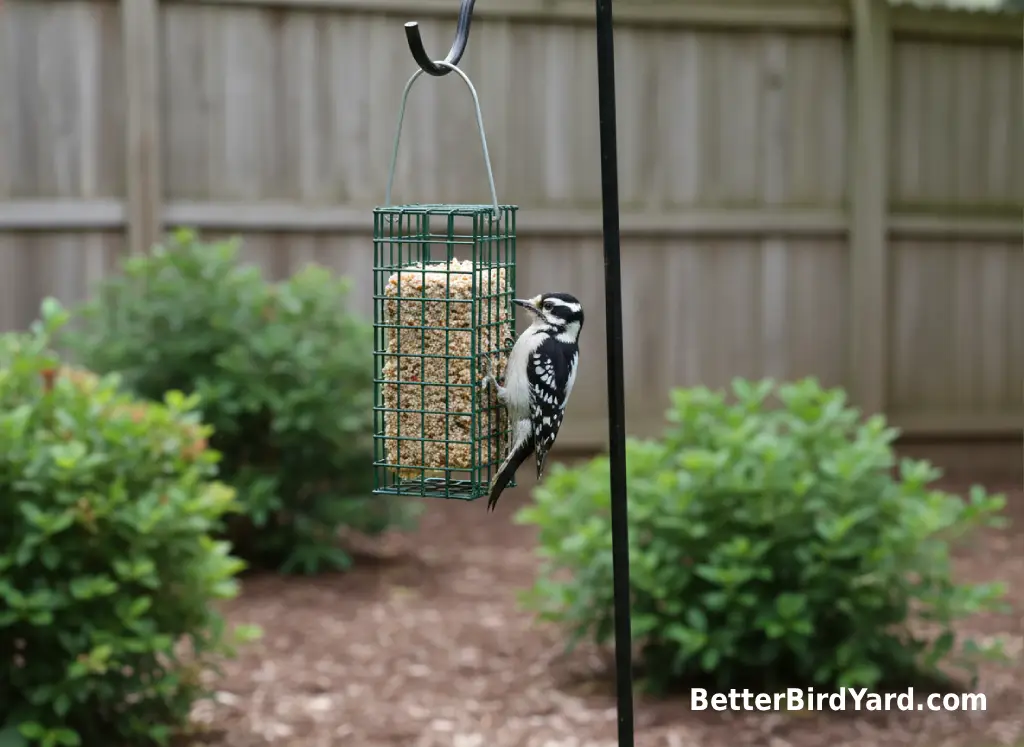
You can feed suet to birds in summer, but it is one of the foods that needs the most caution in hot weather. Traditional suet can soften, melt, turn greasy, or spoil. That can make a mess on feathers, attract unwanted animals, and leave birds with poor-quality food.
If you want to offer suet in summer, choose a smaller cake, place it in shade, and check it often. Many backyard bird watchers switch to no-melt or warm-weather suet blends, but those still need monitoring. If it smells rancid, looks oily, sags in the cage, or is barely being eaten, remove it.
Woodpeckers, nuthatches, chickadees, wrens, and some other birds may visit suet feeders in warm months, but you do not need to offer suet to have a good summer bird yard. In very hot regions, a simple sunflower feeder, clean water, and native plants may be easier and safer.
Hummingbird Nectar Needs Extra Summer Attention
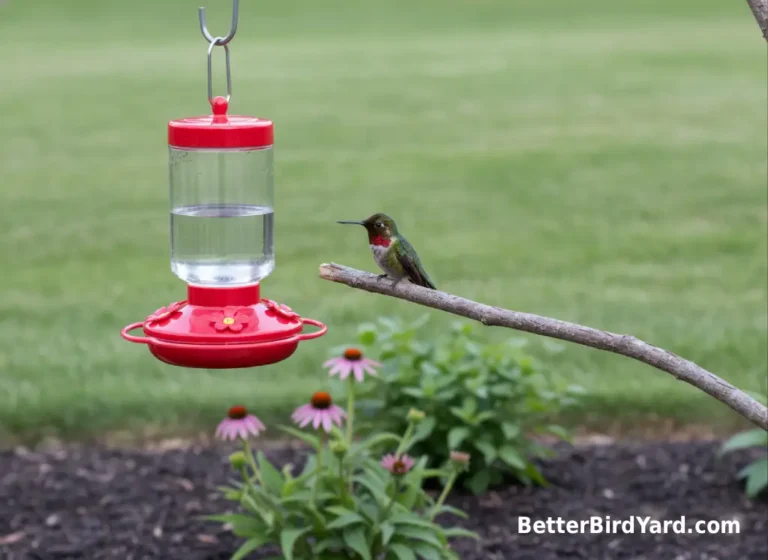
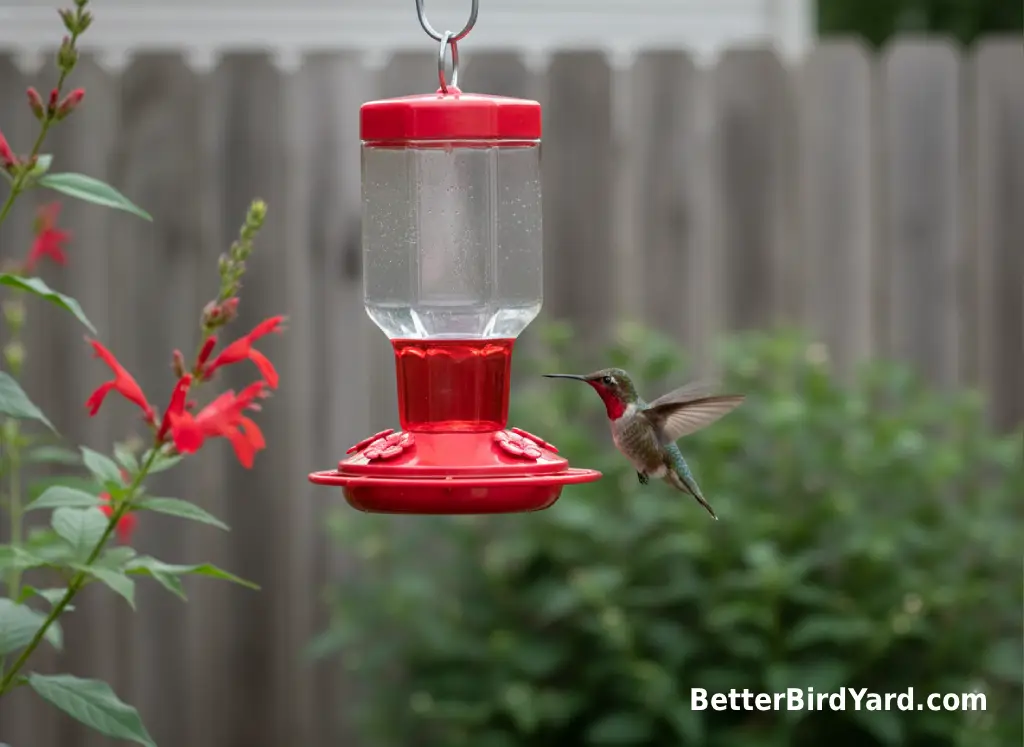
Hummingbird feeders are rewarding in summer, but nectar spoils quickly in heat. Use plain white sugar and water. A common recipe is 1 part sugar to 4 parts water, cooled before filling the feeder. Do not add honey, red dye, artificial sweeteners, or extra ingredients. Audubon gives a simple sugar-water method, and Cornell Lab notes that hot, dry weather is not the time to make nectar stronger than the standard ratio.
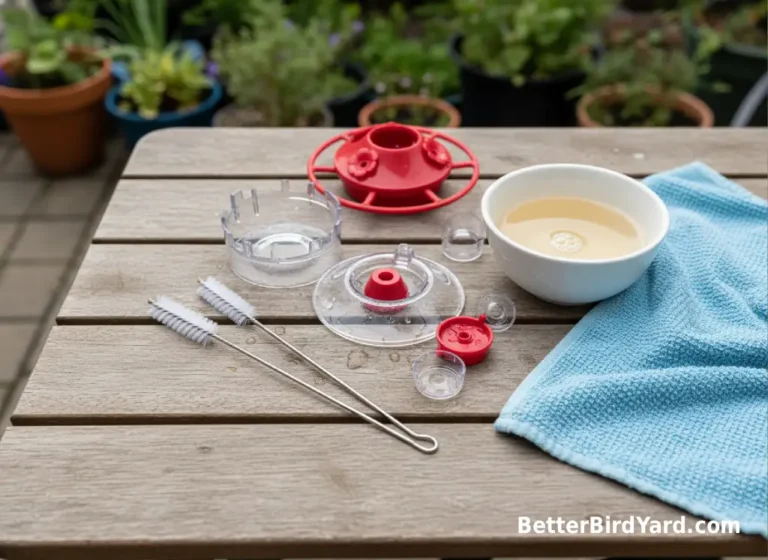
Clean hummingbird feeders frequently. Cornell Lab’s feeder-cleaning guidance recommends changing sugar water every 3 to 5 days to prevent mold and fermentation, and more often during hot weather. It also advises cleaning feeders at least weekly with hot water and a bottle brush, with thorough rinsing and air-drying if a dilute bleach solution is used.
In a hot spell, smaller feeders are easier to manage because the nectar is replaced before it sits too long. Place feeders in light shade if possible, but not so hidden that you forget to check them. Cloudy nectar, black specks, floating debris, ants, or a sour smell are all signs to empty and clean the feeder right away.
For more detail, a dedicated hummingbird nectar recipe and cleaning guide can help beginners set up a simple routine before the hottest part of summer arrives.
How To Keep Summer Feeders Clean And Safe
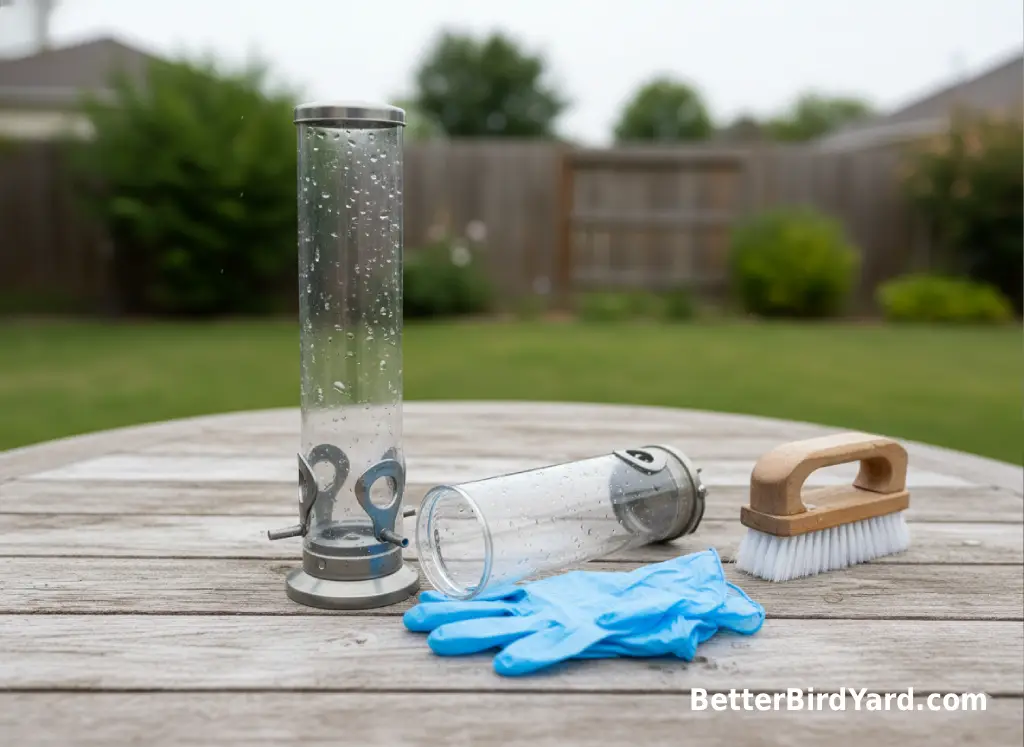
Summer feeder hygiene is the part that matters most. Feeders bring birds close together, and dirty feeding spots can increase the chance that pathogens spread among birds. Project FeederWatch recommends regular feeder cleaning even when no sick birds are visible, and it describes scrubbing visible debris, using a dilute bleach solution when sanitizing, rinsing thoroughly, and letting feeders dry before refilling.
A practical summer routine looks like this:
- Fill feeders lightly so food is eaten before it sits through repeated heat and rain.
- Check seed after storms, humidity, or irrigation overspray.
- Discard wet, clumped, sour-smelling, or moldy food.
- Scrub feeders regularly, and clean sooner if they look dirty.
- Rake or sweep seed hulls under feeders to reduce rodents, mold, and mess.
- Let feeders dry fully before adding fresh food.
For many yards, weekly cleaning is a good summer habit, with more frequent attention during heavy use, rain, or extreme heat. Hummingbird feeders usually need even closer attention because nectar can ferment fast.
Editorial note: if you only change one thing about summer bird feeding, stop topping off old food with new food. Empty, inspect, clean when needed, and refill with a smaller amount. That one habit prevents many avoidable feeder problems.
Water May Matter More Than Seed On Hot Days
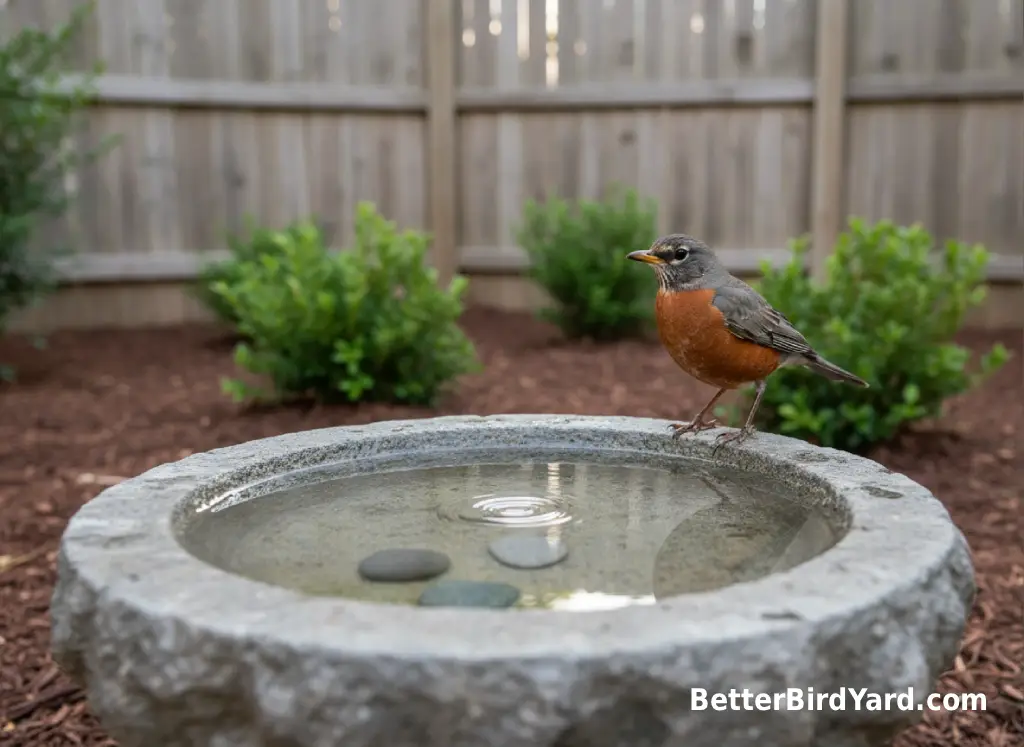
On hot summer days, clean water may be more useful than extra seed. Birds use water for drinking and bathing, and a shallow bird bath can attract species that rarely visit seed feeders. The National Wildlife Federation recommends keeping bird baths clean in warm weather by scrubbing out droppings and algae and changing standing water regularly to avoid mosquito breeding habitat.
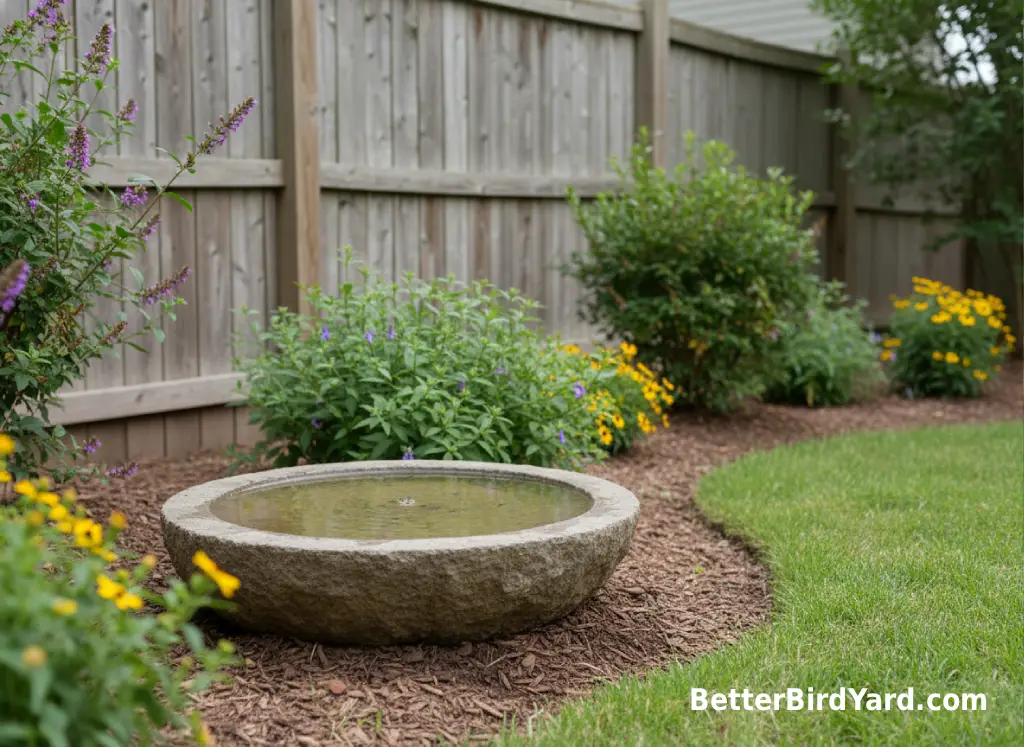
Keep water shallow. Audubon’s bird bath guidance suggests about 1 to 1.5 inches of water and adding stones so birds can judge depth and stand comfortably. A simple plant saucer, shallow basin, or railing-safe water dish can work for a patio if it is stable, easy to clean, and allowed by your building rules.
Place bird baths where birds have a quick escape route but not where cats can hide right beside the basin. Light shade helps slow algae and keeps water cooler. A dripper or bubbler can make water easier for birds to notice and can discourage mosquitoes because mosquitoes prefer still water; the National Wildlife Federation also notes that moving water can attract more birds than a basic still bath.
Dirty water is not a kindness. If you cannot refresh and clean a bath regularly, skip it until you can.
When To Stop Feeding Birds In Summer
You do not need a fixed calendar date for when to stop feeding birds in summer. Instead, use conditions in your own yard. Stop or pause feeding when the setup becomes unsafe, too messy, or hard to maintain.
Good reasons to pause include moldy seed, repeated wet feeder problems, rancid suet, rodent activity, aggressive crowding, frequent window strikes, bear or raccoon visits, or local wildlife agency guidance to take feeders down. If you also keep backyard poultry, follow USDA, CDC, and local animal-health guidance carefully because wild-bird feeders can create unwanted contact points near domestic birds. CDC advises bird hobbyists to clean feeders and bird baths regularly, wear disposable gloves when cleaning, wash hands afterward, and avoid unprotected contact with sick or dead birds.
During avian influenza concerns, advice can vary by location and by whether you have poultry. U.S. Fish and Wildlife Service says bird feeders are unlikely to increase avian influenza spread because common feeder birds are not commonly infected, but feeders can concentrate birds and raise the risk of other diseases that affect passerines. That is a good reminder to keep local guidance ahead of generic advice.
Small-Space And Rental-Friendly Summer Feeding Tips
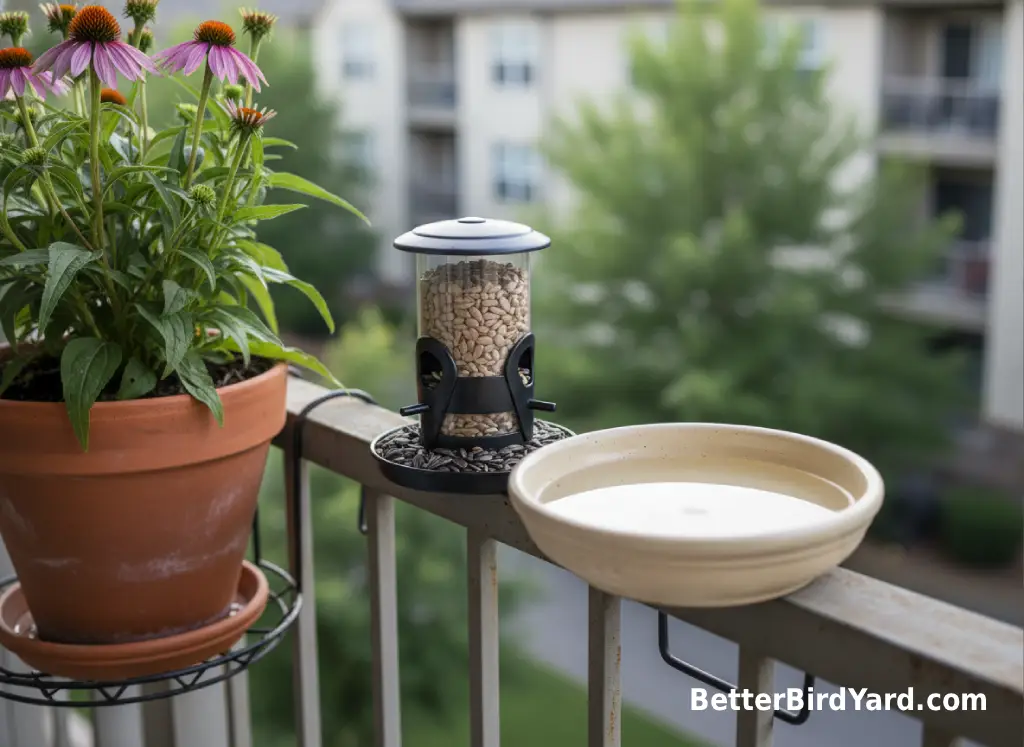
Renters and small-space bird watchers can feed birds in summer, but the margin for mess is smaller. Balcony feeding can create seed shells, droppings, neighbor complaints, and unwanted rodents if it is not managed carefully. Before hanging a feeder, check lease rules, HOA rules, building policies, and local ordinances. Some buildings limit feeders because of mess or pest concerns.
Choose the cleanest setup you can maintain. A small tube feeder with sunflower hearts may create less shell waste than whole seed, though hearts must stay dry and fresh. A tray under the feeder can catch some debris, but it also needs cleaning. Avoid throwing seed on railings, patios, or the ground. That habit invites pigeons, rodents, and conflict with neighbors.
For many small spaces, a hummingbird feeder or a small water dish may be easier than a seed feeder, as long as you can clean it often. Potted native flowers can also help without creating loose seed mess. Choose plants suited to your region and container size, and avoid invasive species.
In a tiny space, the best feeder is not the biggest one. It is the one you can empty, wash, refill, and monitor without letting food or droppings build up.
Common Summer Bird Feeding Mistakes To Avoid
Most summer bird feeding problems come from too much food, too little cleaning, or ignoring what the yard is showing you.
- Overfilling feeders: Full feeders look generous, but food that sits too long in heat and humidity can spoil.
- Leaving wet seed in place: Damp seed should be removed, not buried under fresh seed.
- Using summer suet like winter suet: Heat can soften or spoil suet quickly, especially in sun.
- Forgetting hummingbird feeders: Nectar needs frequent changing and cleaning in hot weather.
- Ignoring the ground: Seed hulls, spilled food, and droppings can attract rodents and create unsanitary feeding spots.
- Feeding too close to windows: Reflections can contribute to collisions, especially when birds are startled.
- Letting cats patrol the feeder area: Outdoor cats are a serious predator risk around feeders and bird baths.
A good summer habit is to look under the feeder before you look in the feeder. If the ground is messy, the setup needs attention. Move the feeder, sweep or rake the area, reduce the amount of food, or switch to a cleaner feeder style.
What To Do If You See Sick Birds Or Local Outbreak Warnings
If you see a bird that appears sick, do not try to diagnose or treat it. Signs such as unusual lethargy, crusty-looking eyes, trouble moving, fluffed feathers for long periods, or repeated visits by birds that seem unwell are reasons to take feeder hygiene seriously. Project FeederWatch recommends removing the feeder used by a sick bird for a couple of weeks, cleaning feeders and the feeding area thoroughly, and continuing regular cleaning even when no disease signs are visible.
Safe first steps are simple: take feeders down, discard remaining food, clean and dry feeders, clean the ground below, wash your hands, and check your state wildlife agency for current guidance. If you find a sick, injured, stunned, orphaned, or dead wild bird, avoid casual handling. Contact a licensed wildlife rehabilitator, local wildlife agency, animal control, or another qualified local professional for advice.
During local disease advisories, follow the local advisory even if general national guidance sounds less strict. Conditions vary by region, species, and outbreak. BetterBirdYard is not a wildlife rehabilitation service, veterinary service, legal authority, or public health agency, so local expert guidance should come first when bird health or public health is involved.
Keep Summer Feeding Simple, Clean, And Flexible
Should you continue to feed birds in the summer? Yes, if you can keep feeders clean, food fresh, and the area safe. No, or not right now, if food is spoiling, pests are showing up, birds appear sick, local agencies recommend a pause, or the setup is becoming more mess than support.
The best summer bird feeding is modest. Offer small amounts of fresh seed. Treat suet, fruit, mealworms, and nectar as foods that need close attention in heat. Keep hummingbird nectar plain and clean. Scrub feeders and baths before they look neglected. Provide shallow, fresh water. Add native plants where you can. Keep cats away from feeding areas, reduce window-collision risks, and check local rules before feeding in rentals or shared spaces.
Summer birds are busy living full lives beyond the feeder. Your job is not to replace nature. It is to offer a clean, careful, well-managed boost that makes your yard safer and more useful for the birds already moving through your neighborhood.