Cardinal Bird Feeder Guide: Food, Placement, And Setup Tips
A good cardinal bird feeder is not usually the fanciest feeder on the shelf. For Northern Cardinals, the better setup is simple: a stable feeder with enough room to perch, filled with the right seed, placed near cover but not buried inside shrubs. That combination gives cardinals a comfortable landing spot and keeps the station easier for you to clean.
The Cornell Lab of Ornithology notes that Northern Cardinals often use sunflower seeds at feeders, while Project FeederWatch and Audubon point to hopper and platform-style feeders with sunflower or safflower as practical choices for cardinals and similar larger feeder birds. Results still vary by range, season, neighborhood habitat, and what natural foods are available nearby.
For most US backyards, patios, and small gardens where cardinals already live, start with black oil sunflower seed or safflower in a hopper feeder, platform feeder, or tray-style feeder with a sturdy perch. Then pay attention to three details beginners often miss: seed freshness, nearby shelter, and regular cleaning.
The Quick Answer: What Is The Best Bird Feeder For Cardinals?
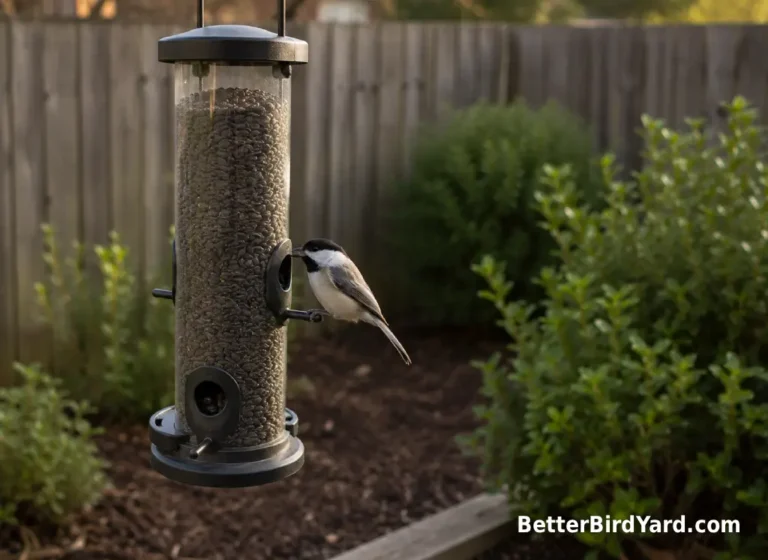
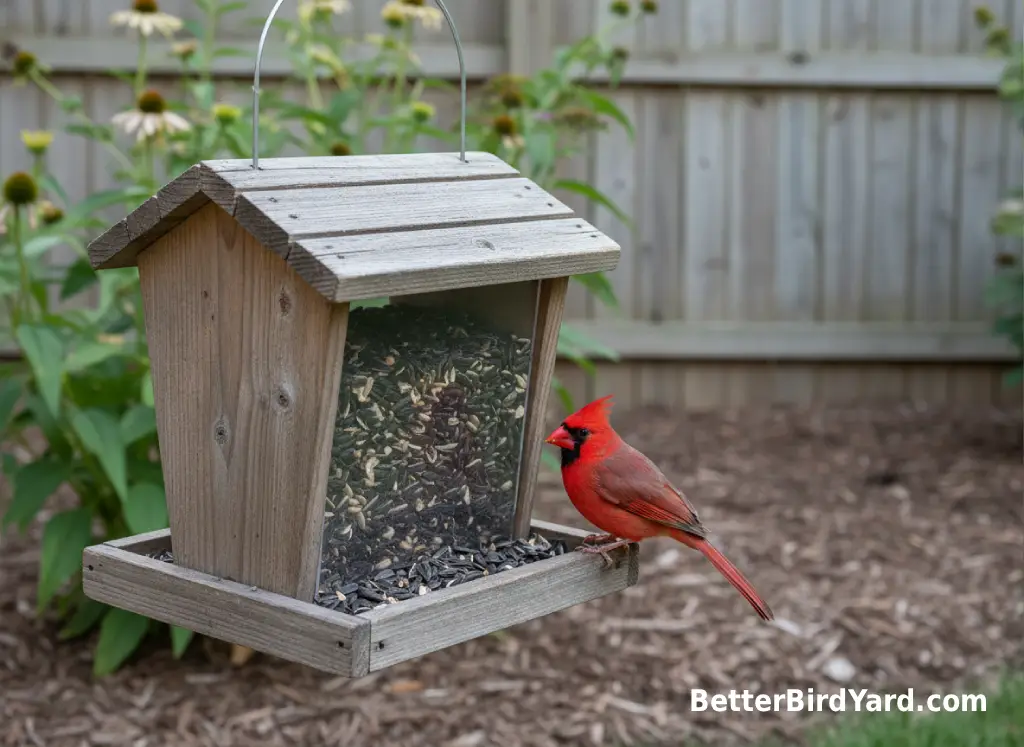
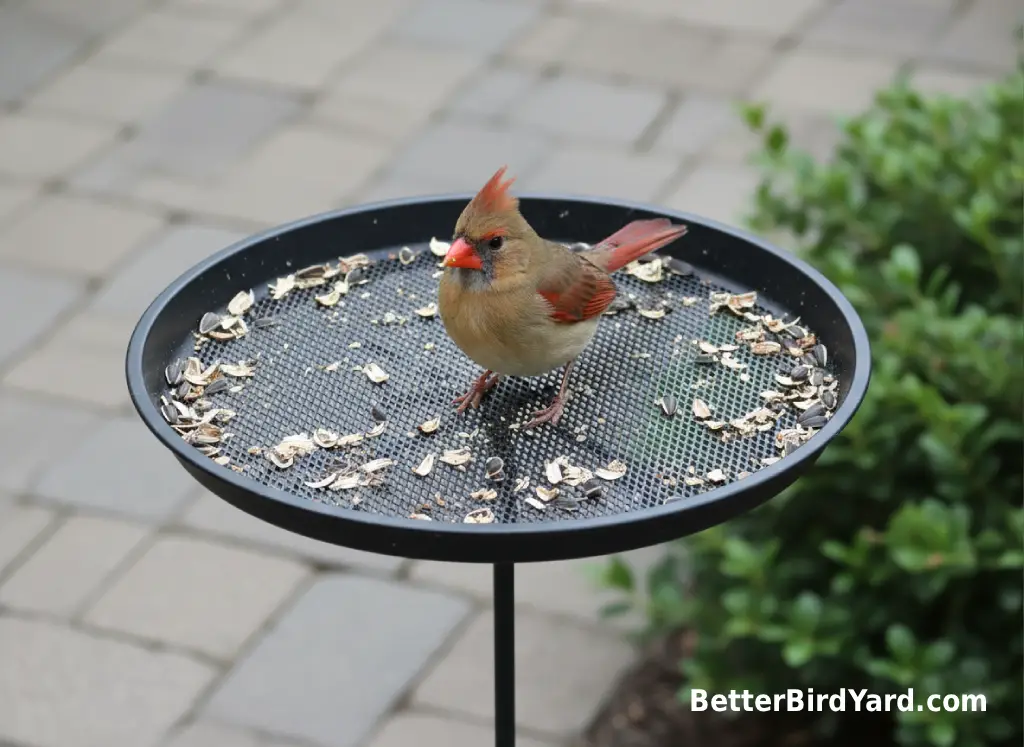
The best bird feeder for cardinals is usually a hopper feeder or platform feeder with a wide tray, steady footing, and easy access to larger seeds. Cardinals are bigger and heavier than finches and chickadees, so tiny tube-feeder perches can be awkward for them. They can use some tube feeders, especially models with trays or large perches, but they often look more comfortable on a broad landing area.
A simple buying checklist helps:
- Choose a feeder with a wide perch, tray, or platform.
- Use black oil sunflower seed, safflower seed, or a simple blend built around those seeds.
- Avoid flimsy feeders that swing hard in the wind.
- Pick a feeder you can take apart and clean without a struggle.
- Use a roofed hopper or covered platform if rain is a frequent problem.
For a first feeder, we would choose a medium hopper feeder over a decorative novelty feeder. It holds seed better than an open tray, gives cardinals room to land, and is easier to protect with a squirrel baffle. If you already own a platform feeder, that can work well too, as long as you offer only small amounts of seed at a time so rain, hulls, and droppings do not build up.
Why Cardinals Prefer Roomy Feeders Over Tiny Perches
Cardinals are seed-cracking birds with thick, cone-shaped bills. At a feeder, that usually means they want space to land, pick up a seed, turn it in the bill, crack it, and drop the hull. A narrow perch does not make that impossible, but it can make the feeder less inviting compared with a tray, hopper ledge, or platform.
This is one reason people often see a cardinal at a bird feeder that has a built-in tray, even when the smaller birds are using the tube ports. The cardinal may not be ignoring the food. It may simply be choosing the part of the feeder that gives it better balance.
In a small yard or rental patio, this does not mean you need a huge feeding station. A compact hopper on a pole, a small platform with drainage, or a tube feeder with a wraparound tray can be enough. The important part is stability. A feeder that spins, swings, or tilts every time a larger bird lands may push cardinals toward the ground or toward a neighbor’s easier setup.
A common mistake we see is buying a beautiful narrow feeder, filling it with good seed, and then wondering why only finches use it. The food matters, but the landing area matters too.
The Best Bird Feed For Cardinals
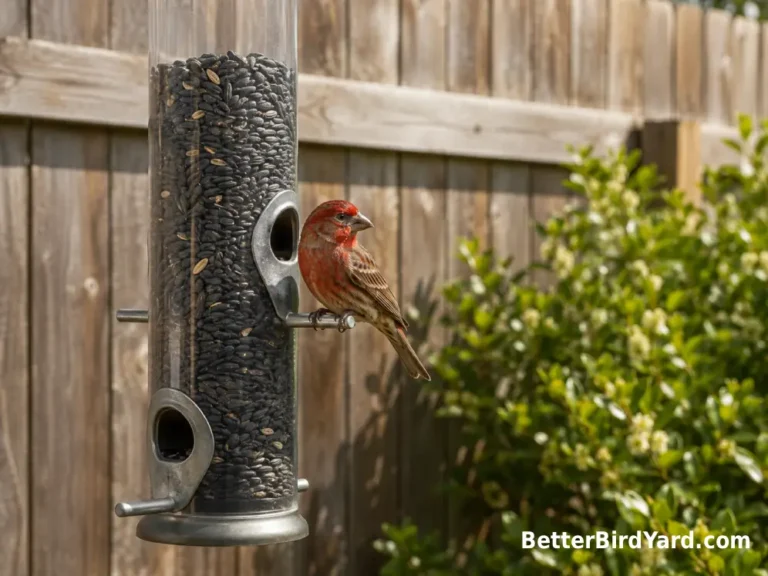
For feeding cardinal birds, start with black oil sunflower seed. Cornell’s All About Birds describes sunflower as the seed that attracts the widest variety of feeder birds, and black oil sunflower has thin shells that many seed-eating birds can crack. Cardinals are among the backyard birds that commonly use sunflower at feeders.
Safflower is the next practical choice. It is often used in cardinal and jay setups, especially by people trying to reduce some blackbird or squirrel pressure. It is not magic, and local birds may need time to accept it, but it is a useful seed to test in a cardinal feeder.
| Food | How It Works For Cardinals | BetterBirdYard Note |
|---|---|---|
| Black Oil Sunflower Seed | Excellent first choice for most cardinal feeders. | Expect hull mess under the feeder unless you use shelled sunflower. |
| Safflower Seed | Often accepted by cardinals and useful in hopper or platform feeders. | Try it alone for a few days if birds keep picking around it in a blend. |
| Striped Sunflower Seed | Cardinals can crack it, but smaller birds may have a harder time. | Can be useful where blackbirds dominate black oil sunflower. |
| Cracked Corn | Can attract cardinals and Blue Jays, but it spoils easily when wet. | Offer sparingly and clean leftovers promptly. |
| Cheap Mixed Seed | May contain filler seeds many birds leave behind. | Wasted seed can collect below feeders and create cleanup problems. |
Where To Place A Cardinal Feeder
Cardinals like cover. They often approach from shrubs, hedges, small trees, or brushy edges rather than dropping into the middle of a wide-open lawn. Cornell recommends placing feeders near natural shelter such as trees or shrubs, while also warning not to put them so close that branches give squirrels easy access or provide hiding places for cats. A distance around 10 feet from cover is a practical starting point, then adjust for your yard.
For a beginner-friendly setup, place the feeder where you can answer yes to these questions:
- Can cardinals reach shrubs or low trees quickly if startled?
- Can you easily reach the feeder for cleaning and refilling?
- Is the feeder away from dense hiding spots where cats could ambush birds?
- Is the seed protected from the worst rain and wind?
- Can you see the feeder from indoors without placing it in a window-strike danger zone?
Window safety deserves extra care. Placement advice can vary by home layout, glass reflection, and feeder type, so do not rely on distance alone. Use visible window treatments such as screens, external decals, tape patterns, or other bird-safe markings where birds may fly toward reflective glass. If you see repeated window strikes, move the feeder and improve the glass treatment rather than assuming birds will learn the hazard.
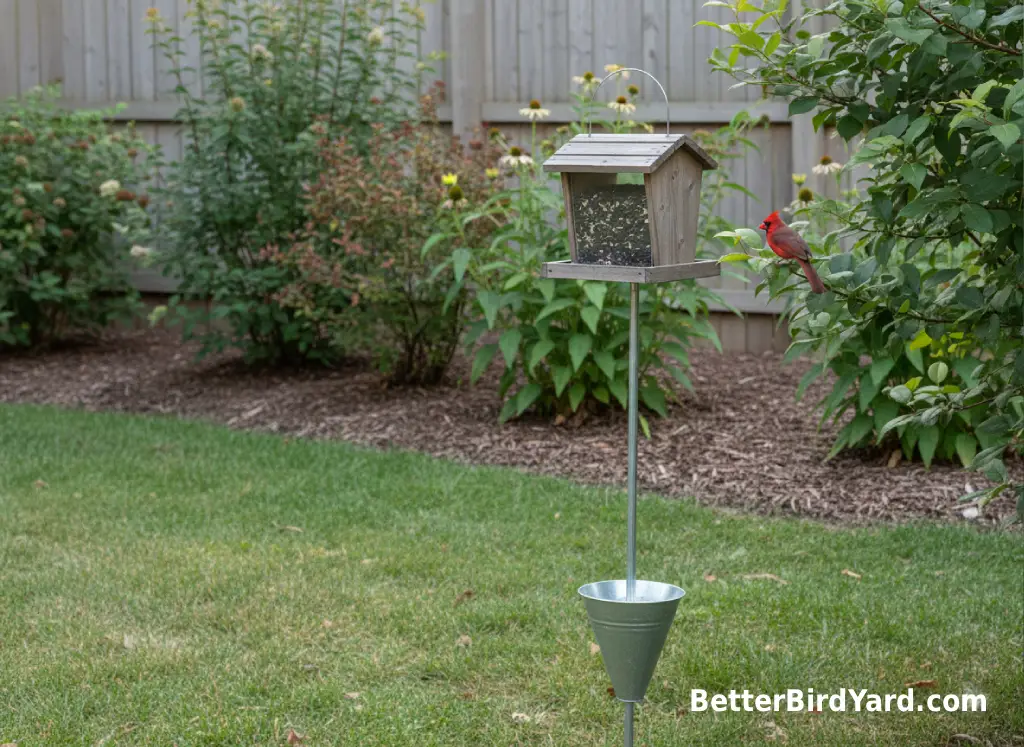
How To Set Up A Cardinal Feeder In A Small Yard Or Patio
You do not need a large yard to support cardinals responsibly. A small patio, townhouse strip, or balcony can work if cardinals already live nearby and local rules allow feeding. The trick is to keep the setup clean, compact, and easy to manage.
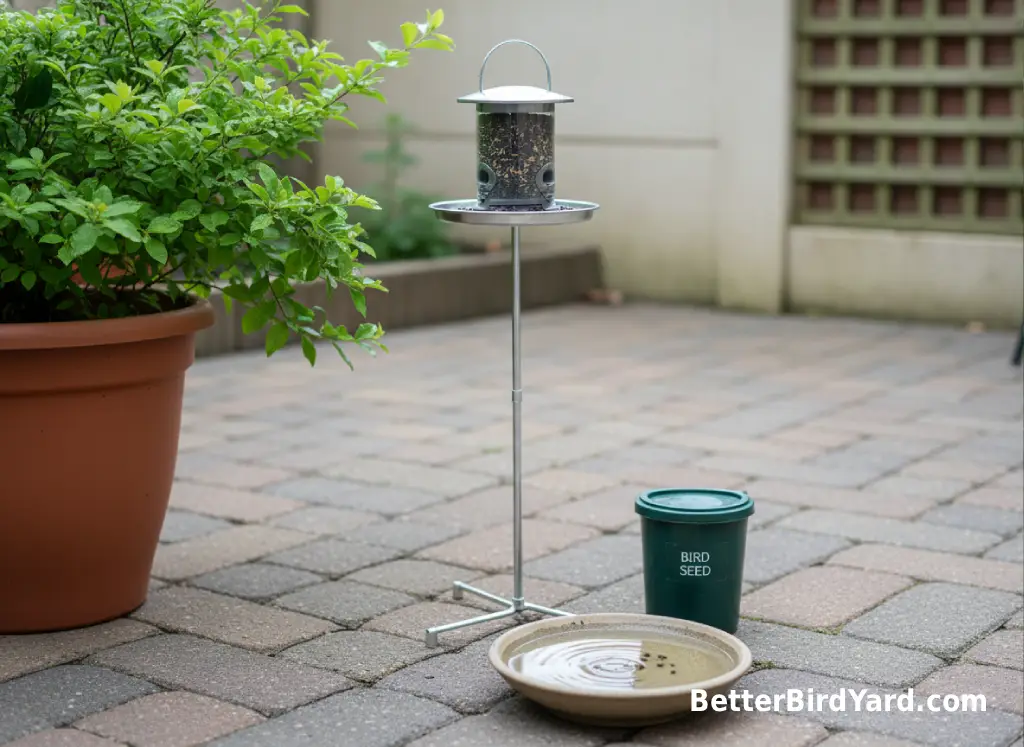
For small spaces, avoid pouring out more seed than birds can eat in a day or two. Seed that falls into cracks, planters, or balcony corners can attract rodents, grow mold, or annoy neighbors. A feeder with a catch tray can help, but the tray still needs regular cleaning. If you rent, check lease, HOA, balcony, and local rules before adding a feeder, especially in buildings where seed mess can fall onto shared areas.
In a small yard, we would keep the station simple:
- One sturdy hopper or tray feeder.
- One seed type at first, usually black oil sunflower or safflower.
- A sealed seed container stored indoors or in a dry, pest-resistant spot.
- A small brush and bucket so cleaning does not become a chore.
Editorial note: If you only change one thing in a small space, reduce the amount of seed you put out. Fresh, modest portions are usually better than a feeder packed full of seed that sits through rain, heat, and bird droppings.
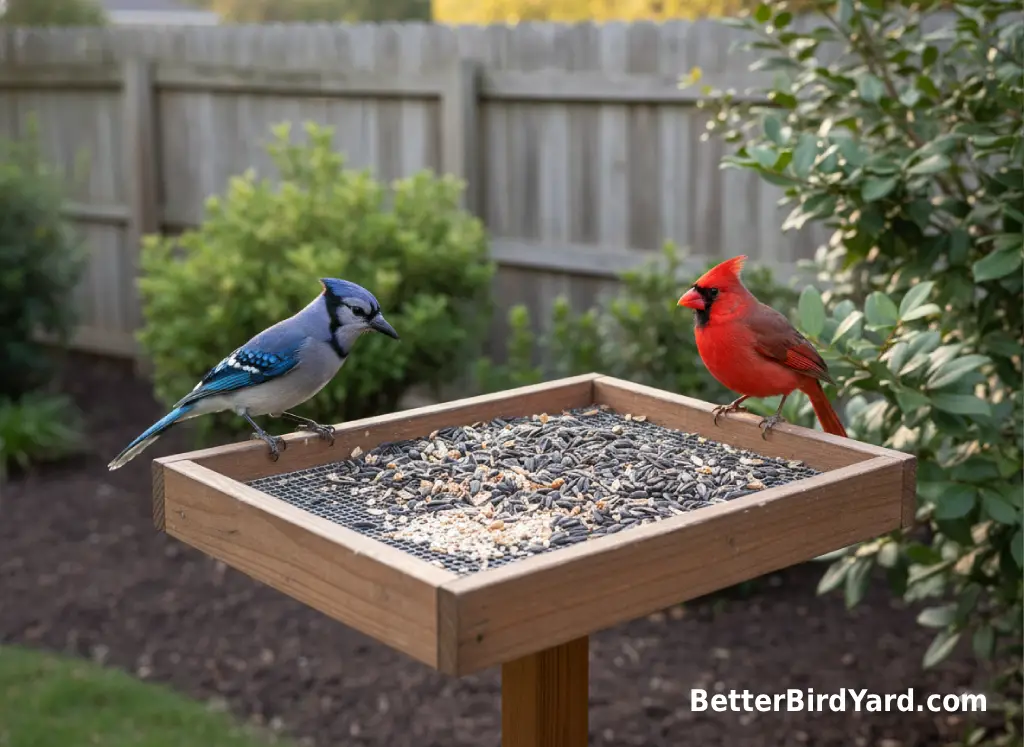
Bird Feeder For Blue Jays And Cardinals: Can One Feeder Serve Both?
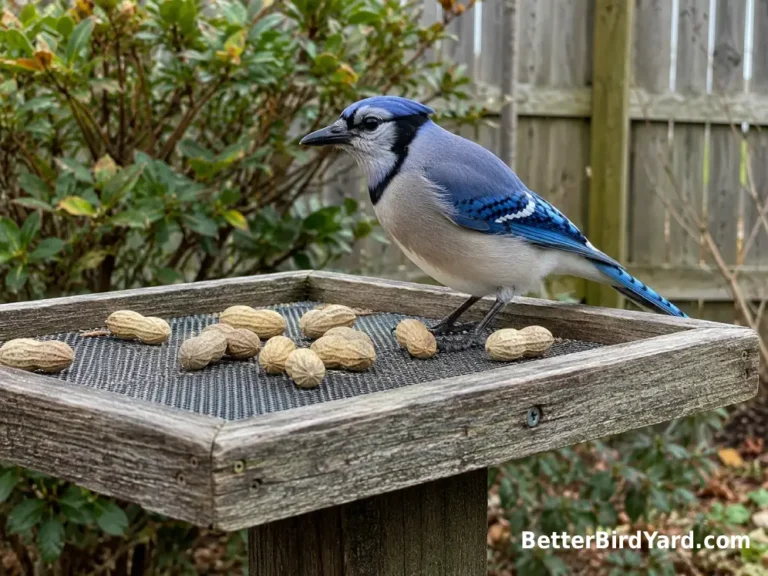
Yes, one feeder can serve Blue Jays and cardinals if it is sturdy and roomy. Audubon’s winter bird feeding guidance groups Northern Cardinals and Blue Jays with hopper feeders and foods such as safflower, sunflower seeds, and cracked corn. In real backyards, a large hopper, platform feeder, or tray feeder is usually more comfortable for both species than a small hanging tube.
The tradeoff is that Blue Jays are bold, vocal birds, and they may dominate a small feeder. That does not mean they are doing anything wrong; they are behaving like Blue Jays. But if you want cardinals to have better access, give birds more than one landing area or use two feeders spaced apart.
A practical setup looks like this: place a larger feeder with sunflower or safflower for cardinals and jays, then add a smaller tube feeder nearby for chickadees, titmice, or finches. Keep both feeders clean and do not let spilled seed pile up below either station. If jays are emptying the feeder too quickly, reduce the amount of food offered at one time rather than switching to low-quality filler seed.
How To Keep Squirrels And Seed Mess From Taking Over
Cardinal feeders often attract squirrels because sunflower seed is attractive to many animals, not just birds. A squirrel problem is easier to prevent than to fix after squirrels have learned the route. Use a pole-mounted feeder with a properly placed baffle, keep it away from jump-off branches and railings, and avoid loose seed piles on the ground.
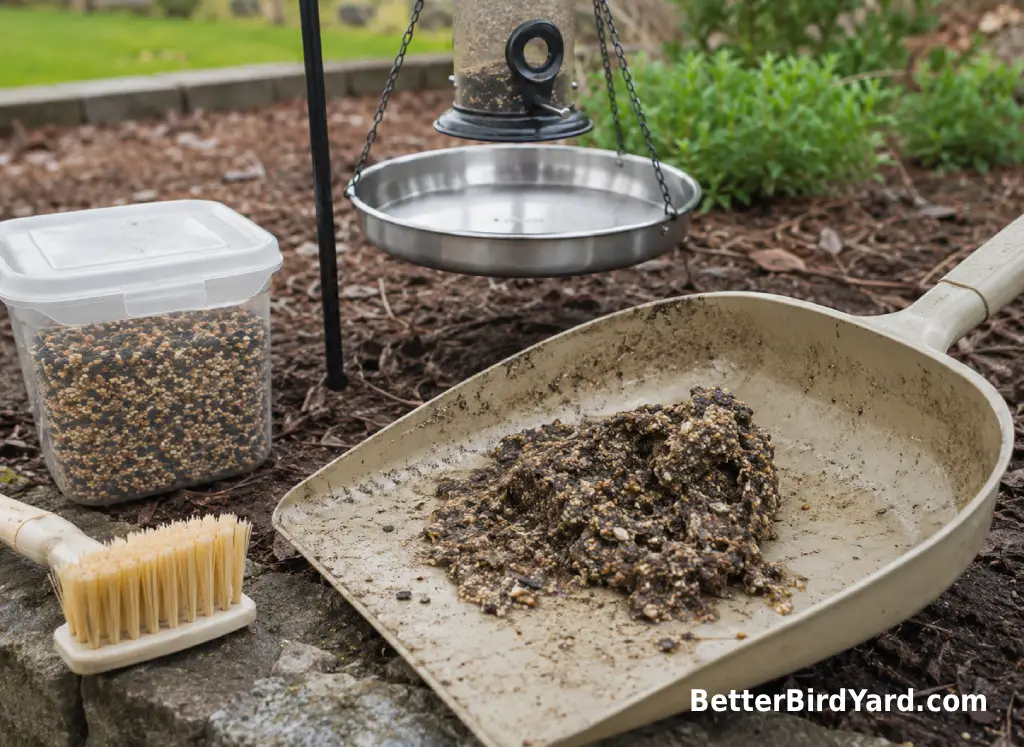
Seed mess is the other everyday issue. Cardinals crack seeds and drop hulls, so some cleanup is normal. The problem starts when hulls, spilled seed, and droppings sit wet under the feeder. That area can become unpleasant, attract rodents, and increase hygiene concerns.
Good habits help:
- Rake or sweep under feeders before waste builds up.
- Move portable feeders occasionally so one patch of ground does not get overloaded.
- Use no-waste sunflower hearts only in dry, well-drained feeders and small portions.
- Do not use moldy, clumped, sour-smelling, or wet seed.
- Store seed in a sealed container away from moisture and pests.
For more practical setup help, see our related guide to keeping squirrels out of bird feeders.
Cleaning A Cardinal Feeder Safely
Cleaning is part of responsible bird feeding, not an optional extra. Project FeederWatch recommends regularly cleaning feeders even when there are no visible signs of disease, removing debris before disinfecting, rinsing thoroughly, and letting feeders dry before adding fresh seed. Their cleaning research found that methods using a dilute bleach soak were more effective than soap and water alone at reducing Salmonella on tested feeders.
For a normal backyard routine, clean seed feeders every week or two, and clean more often during heavy use, wet weather, or warm spells. If seed is wet, clumped, moldy, or stuck in feeder corners, empty it and clean the feeder before refilling. Do not top off old seed just to avoid wasting it.
A simple cleaning sequence works well:
- Empty old seed and hulls into the trash, not into the yard.
- Take the feeder apart as much as the design allows.
- Scrub off visible debris with warm water and dish soap.
- Rinse, disinfect according to trusted feeder-cleaning guidance, rinse again, and let everything dry fully.
- Refill with fresh seed only after the feeder is dry.
If you notice a bird that appears sick, unusually weak, fluffed up for long periods, unable to fly normally, or otherwise compromised, do not try to diagnose or care for it yourself. Project FeederWatch advises removing the feeder the sick bird is using for a couple of weeks, cleaning the feeder and area thoroughly, and contacting a licensed wildlife rehabilitator or appropriate local wildlife authority if a bird appears to need intervention.
Common Cardinal Feeder Mistakes To Avoid
Most cardinal feeder problems come from ordinary setup details, not from cardinals being picky. If you have cardinals in your area but none are using your feeder, check these common issues before buying another bag of seed.
- The feeder is too small. A tiny tube feeder may be better for finches than cardinals.
- The seed mix is mostly filler. Birds may toss aside seeds they do not want, leaving waste below.
- The feeder is too exposed. Cardinals often prefer feeding near shrubs or small trees.
- The feeder is too hidden. Dense branches can help squirrels and predators approach unseen.
- The seed is old or wet. Fresh seed matters more than a full feeder.
- The station is dirty. Hulls, droppings, and spoiled seed should not be allowed to build up.
Another mistake is expecting instant results. Cornell notes that birds may need time to discover a new feeder and suggests small visibility cues, such as sprinkling a little seed nearby, if birds are in the area but not yet using the station. Keep this modest so you do not create a ground mess.
Seasonal Tips For Keeping Cardinals Interested
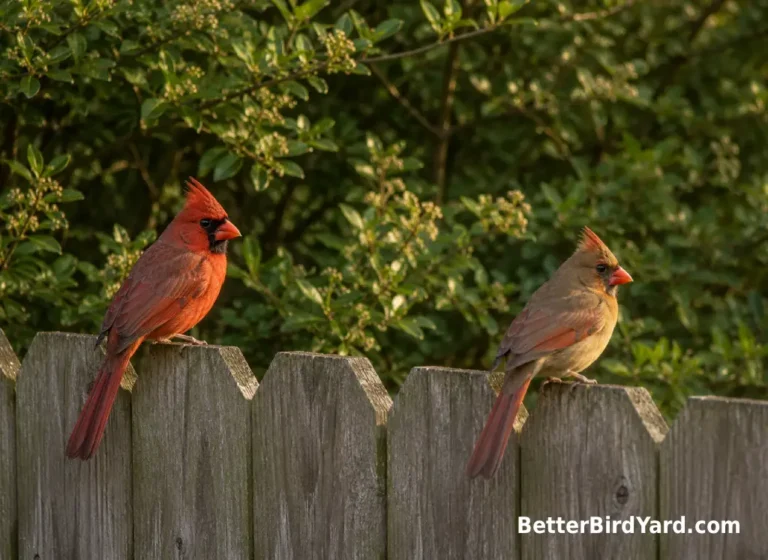
Northern Cardinals are year-round residents in much of their US range, so many people notice them at feeders in winter when the red males stand out against bare branches or snow. Still, your feeder is only one part of their food picture. Cardinals also use shrubs, vines, fruits, seeds, and insects depending on season and habitat.
The National Wildlife Federation highlights shrubby vegetation, edible fruits, sunflower seeds, safflower seeds, platform or hopper feeders, cover, and water as helpful parts of a cardinal-friendly yard. Native plant choices should be matched to your region, because a shrub that is useful and appropriate in one part of the US may not be the right choice somewhere else.
In winter, keep the feeder stocked with modest amounts of fresh seed and make sure snow or ice is not blocking access. In spring and summer, keep cleaning seriously, because warm and wet conditions can spoil food faster. During nesting season, remember that adult cardinals feed insects to their young, so a yard with fewer pesticides and more native plants can support more natural food sources.
If your area has local wildlife disease advisories, avian flu guidance, bear activity, or rules about feeding wildlife, follow your state wildlife agency, local public health agency, city, county, landlord, or HOA guidance. BetterBirdYard is a backyard bird feeding resource, not a legal, veterinary, wildlife rehabilitation, or public-health authority.
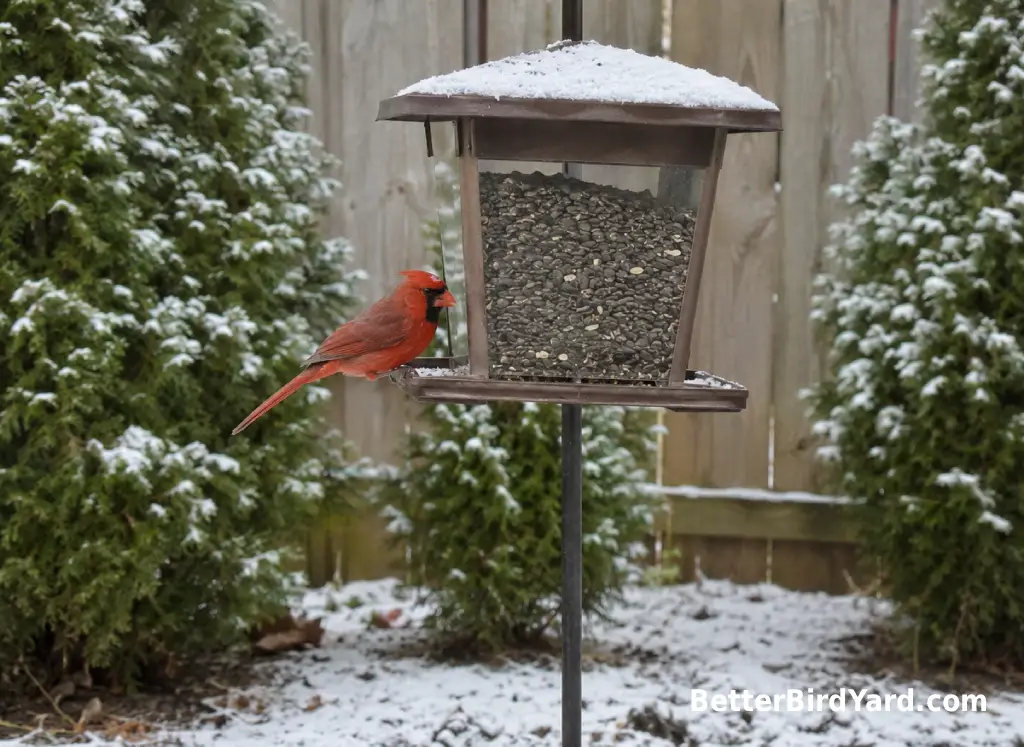
Cardinal Feeder FAQ
What Is The Best Cardinal Bird Feeder For Beginners?
A medium hopper feeder is the easiest first choice for many beginners. It gives cardinals a steady ledge, protects seed better than a fully open tray, and is usually simple to refill. Choose one that opens easily for cleaning.
What Bird Feed Do Cardinals Like Best?
Black oil sunflower seed is the best starting point. Safflower is also worth trying, especially in a hopper or platform feeder. Avoid relying on cheap seed mixes with a lot of filler, because birds may scatter what they do not want.
Will A Tube Feeder Work For Cardinals?
Sometimes, but not all tube feeders are cardinal-friendly. Look for a tube feeder with a tray or larger perches. If cardinals land nearby but do not use the ports, switch to a hopper or platform feeder.
Why Are Cardinals Eating On The Ground Instead Of At The Feeder?
They may be picking up spilled sunflower seed, or the feeder may be too narrow, unstable, exposed, or crowded. Ground feeding also increases cleanup needs, so avoid intentionally scattering large amounts of seed.
How Long Does It Take Cardinals To Find A New Feeder?
It may take days or longer, depending on whether cardinals live nearby, how visible the feeder is, and what natural food is available. Keep the seed fresh, place the feeder near safe cover, and avoid moving it every day.
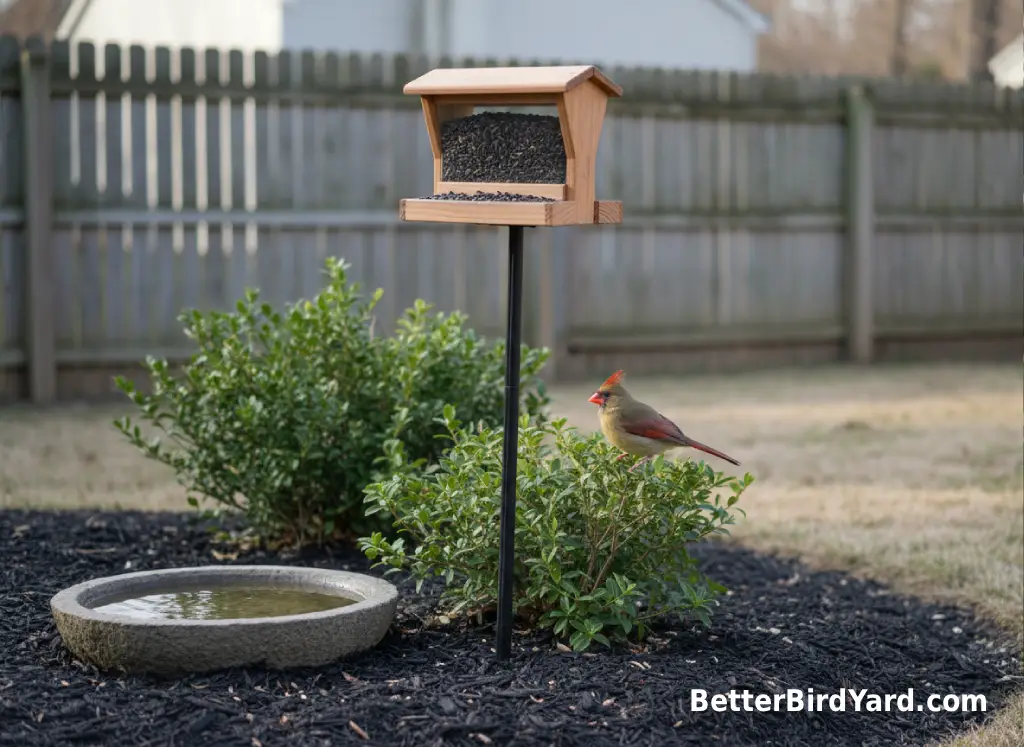
A Simple Cardinal Feeder Setup That Works
For most homes, the best cardinal bird feeder setup is refreshingly simple: a sturdy hopper or platform feeder, black oil sunflower seed or safflower, nearby shrubs, a squirrel-aware pole location, and a cleaning routine you will actually keep. That setup is more useful than a complicated station with too many feeders, too much seed, and not enough maintenance.
Start with one feeder and one good seed. Watch how birds approach it for a week or two. If cardinals perch nearby but hesitate, adjust the placement. If squirrels dominate, improve the baffle and move the feeder away from launch points. If seed gets wet, reduce portions or switch to a more protected feeder.
The goal is not to force cardinals into your yard. It is to offer a safe, clean, reliable feeding spot where cardinals already have the habitat to feel comfortable. When the feeder, food, cover, and cleanup all work together, your chances of seeing that bright red visitor at breakfast or dusk get much better without making the yard harder to maintain.