Do Hummingbirds Sleep? Where They Rest At Night
Yes, hummingbirds sleep. They usually rest at night on a small, sheltered perch in a tree, shrub, vine, or other protected spot near cover. In cool weather, bad weather, or after a demanding day of feeding, they may go beyond ordinary sleep into torpor, a deep sleep-like energy-saving state.
That answer surprises a lot of backyard bird watchers because hummingbirds look almost nonstop during the day. They zip between flowers, chase each other away from feeders, hover in place, and disappear so quickly that it is hard to imagine them sitting still. But they do need nighttime rest, and their tiny bodies have a remarkable way to conserve energy when they cannot feed.
For most backyard observers, the helpful takeaway is simple: give hummingbirds clean food, safe cover, and a quiet yard edge. You do not need to find their sleeping spot or interfere with a bird that looks unusually still at dawn. In fact, the safest support is usually to keep feeders fresh, protect the yard from obvious hazards, and let the bird wake naturally.
The Quick Answer: Yes, Hummingbirds Sleep At Night
Hummingbirds sleep when daylight fades and feeding slows down. They are daytime feeders, so night is usually for resting, conserving energy, and staying hidden from predators.
| Question | Practical Answer |
|---|---|
| Do hummingbirds sleep? | Yes. They rest at night and may enter torpor, a deep sleep-like state. |
| Where do hummingbirds sleep? | Usually on a sheltered perch in a tree, shrub, vine, or protected yard edge. |
| How long do hummingbirds sleep? | Generally overnight, but the exact length depends on season, weather, daylight, and the bird’s energy reserves. |
| Do hummingbirds sleep in nests? | Not usually. Nests are mainly for eggs and young, though a nesting female may spend nights on the nest. |
| Do hummingbirds sleep upside down? | Normally they perch upright, but a bird in deep torpor may look limp, tilted, or oddly positioned. |
The Smithsonian’s National Zoo describes torpor as a very deep, sleep-like state in which hummingbirds slow metabolic functions and maintain a low body temperature. Cornell Lab research has also shown that hummingbirds can use different levels of torpor, rather than one single overnight setting.
Where Do Hummingbirds Sleep In A Backyard?
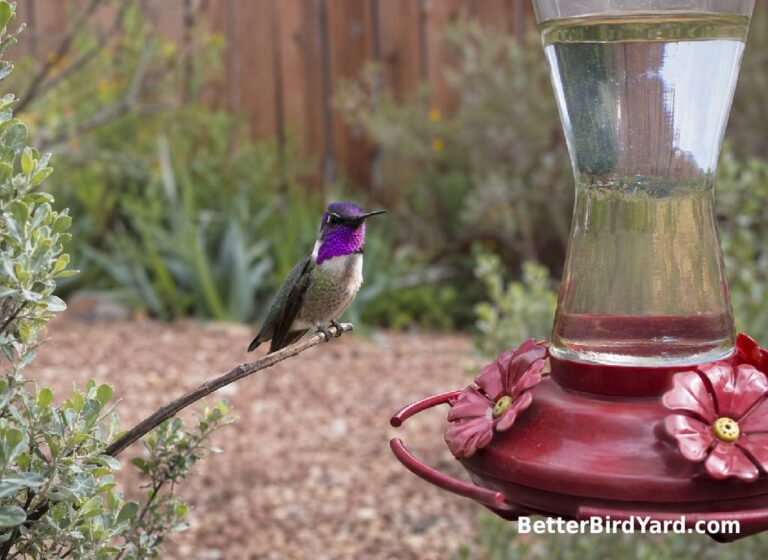
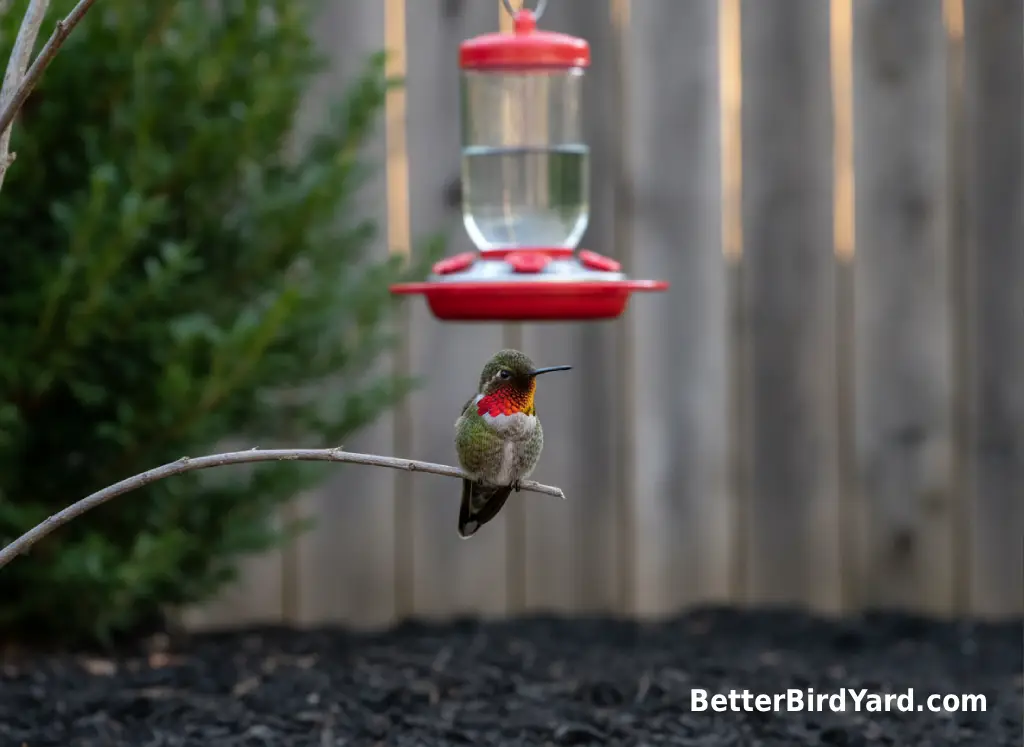
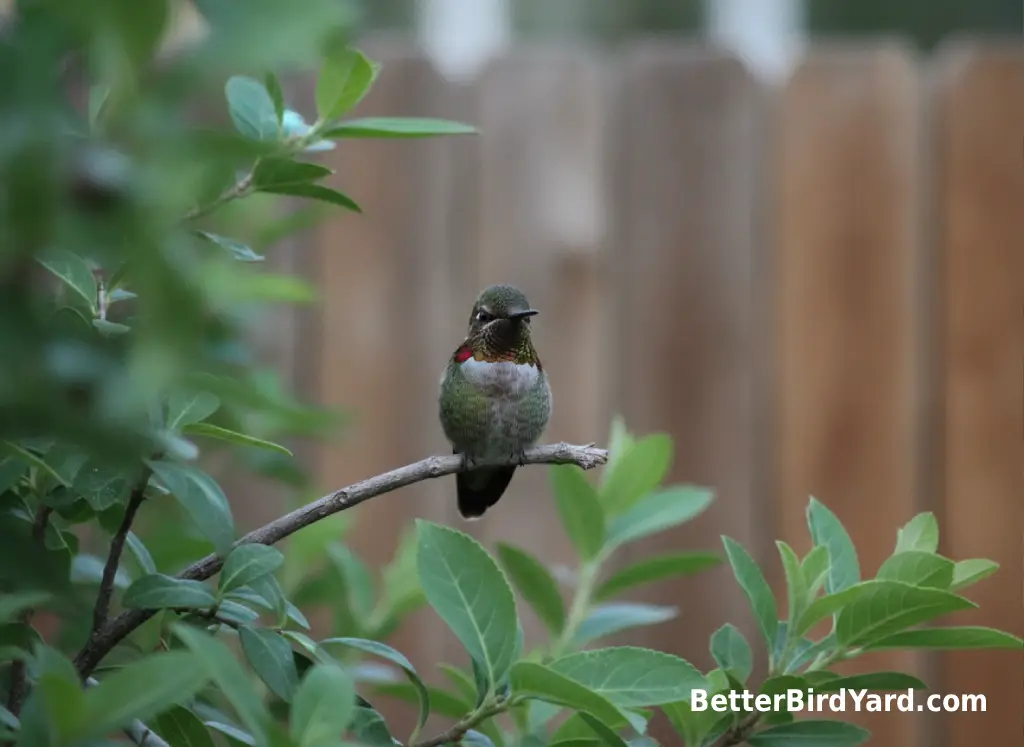
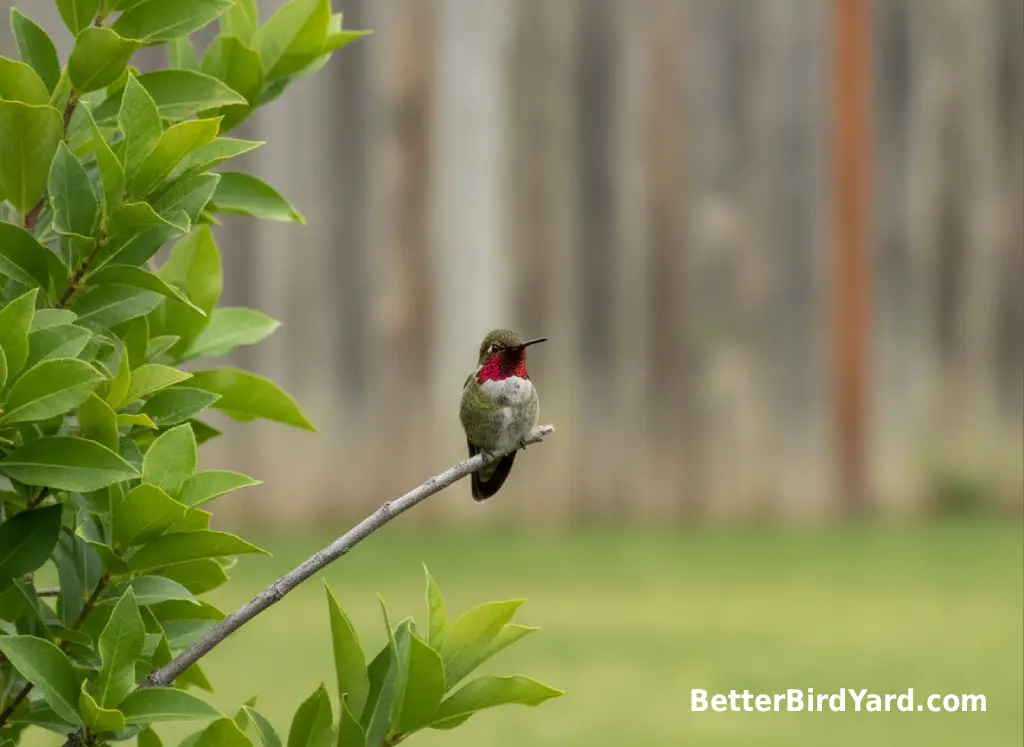
Most backyard hummingbirds sleep where they can perch securely and stay partly hidden. A thin twig inside a leafy shrub, a small branch near a tree trunk, a vine-covered fence line, or a protected spot under foliage can all work. The exact site depends on the bird, the weather, the local habitat, and what cover is available nearby.
They do not need a birdhouse, and they usually do not sleep out in the open on a feeder. A feeder may bring a hummingbird into your view during the day, but the sleeping spot is usually quieter and more sheltered.
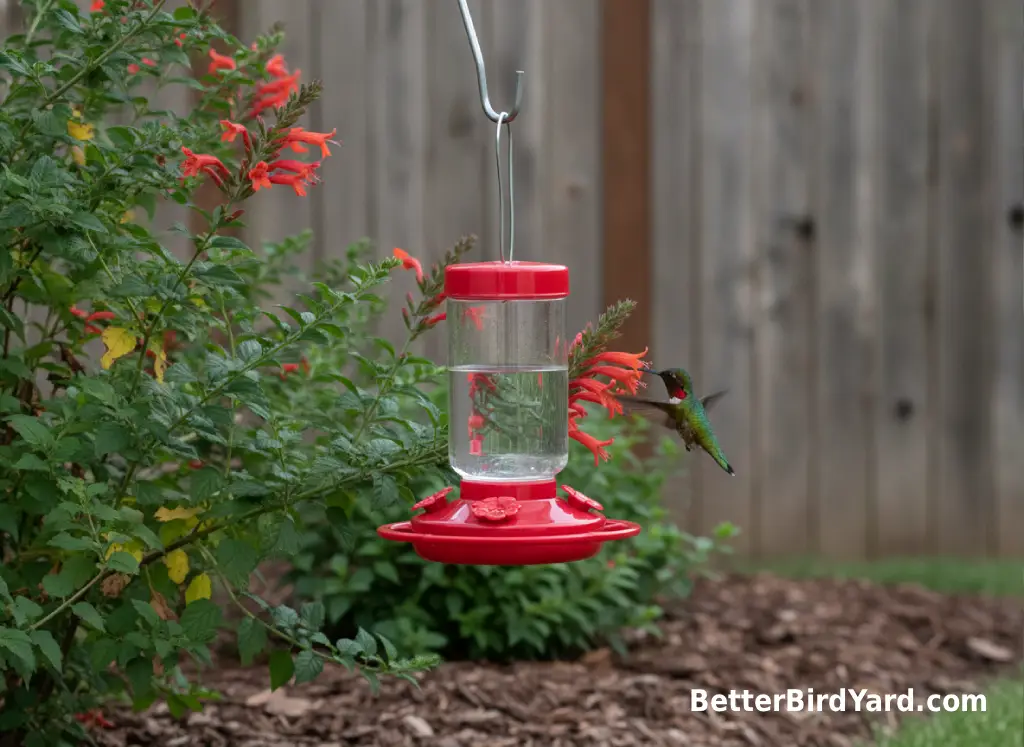
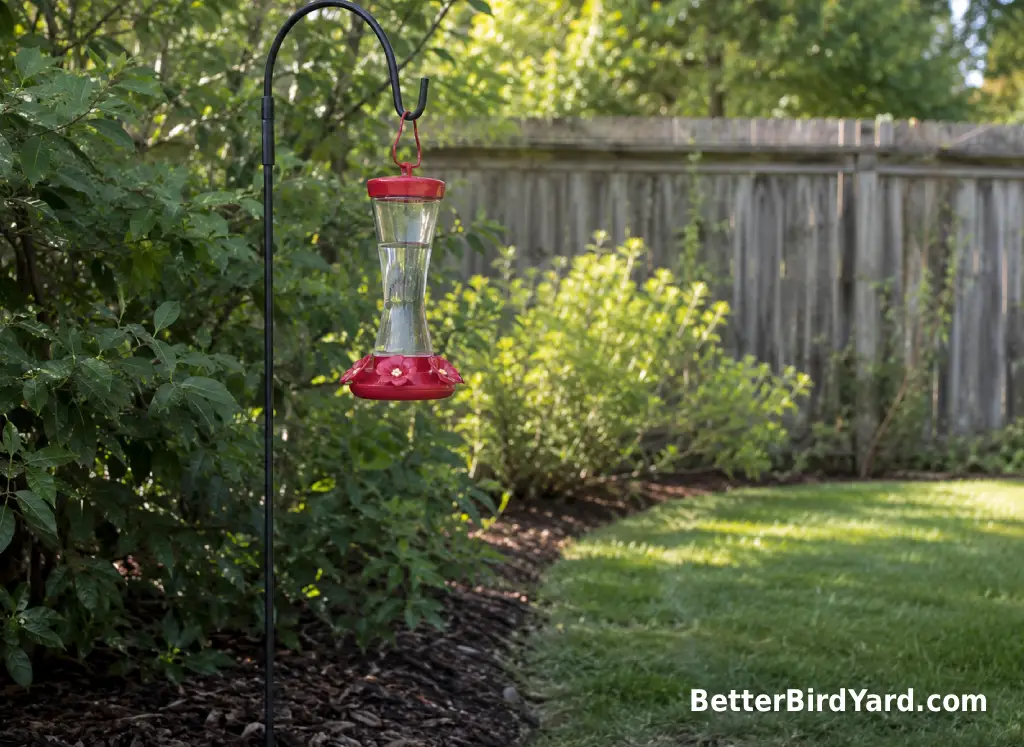
One practical clue is where hummingbirds pause between feeder visits. Project FeederWatch notes that hummingbirds prefer feeders near trees and shrubs where they can perch, rest, and watch their surroundings. That same kind of cover is useful in a backyard because it gives them small lookout perches and a place to retreat from wind, rain, heat, and larger animals.
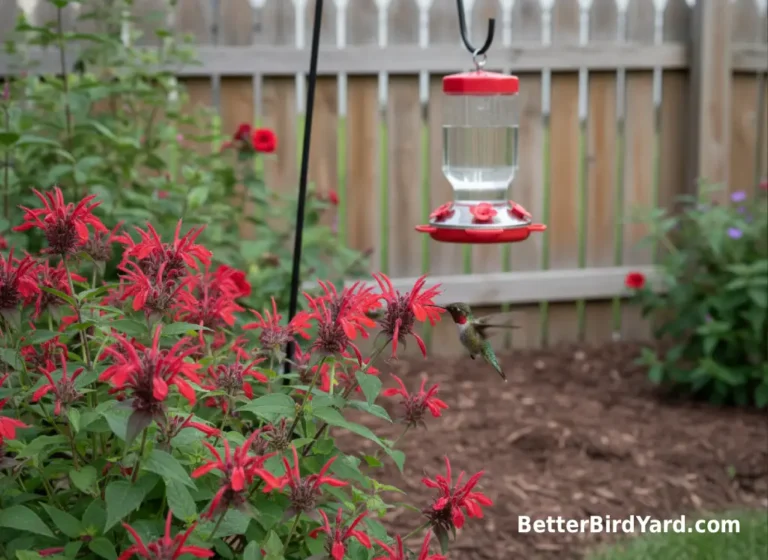
In a small yard or patio, you can support this without making the space complicated. A clean feeder near a container-grown native flowering plant that attract hummingbirds , a leafy shrub, or a small ornamental tree gives hummingbirds feeding access and nearby cover.
Keep enough open space around the feeder so you can clean it easily and watch for ants, bees, cats, or window reflections.
How Do Hummingbirds Sleep And What Is Torpor?
Hummingbirds sleep by perching and becoming still. On ordinary mild nights, that may look like normal bird sleep: quiet, tucked in, and hard to spot. On more demanding nights, a hummingbird may enter torpor.
Torpor is not the same as simply taking a nap. It is a deep, sleep-like state that helps hummingbirds save energy when they are not feeding. This matters because hummingbirds burn energy quickly during the day, and overnight they cannot keep visiting flowers and feeders. Smithsonian describes torpor as a state where metabolic functions slow to a minimum and body temperature stays very low.
From a backyard point of view, torpor can make a hummingbird look startlingly still. It may not react quickly to movement, and it may take time to become active again as the morning warms. That does not automatically mean the bird is sick or injured.
The best response is usually patience and distance. Do not poke, warm, feed by hand, or try to wake a hummingbird that appears to be sleeping or torpid. If a bird is clearly injured, trapped, caught by a cat, stuck indoors, or in immediate danger, contact a licensed wildlife rehabilitator, local wildlife agency, or animal control for guidance rather than attempting treatment yourself.
How Long Do Hummingbirds Sleep?
Hummingbirds usually sleep through the night, from after their last evening feeding until they warm up and begin feeding again around daylight. There is no single fixed number of hours because night length changes by season and location.
Cold, rain, wind, low food availability, migration stress, and individual body condition can affect how deeply and how long a hummingbird rests. A mild summer night in a flower-rich yard is not the same as a chilly spring night after a long migration push.
Beginners sometimes worry when they do not see hummingbirds after dark, but that is normal. They are not usually visiting feeders all night. In the morning, they often feed early because they need quick energy after the overnight fast.
If you maintain a feeder, this is one reason fresh homemade nectar matters. A bird arriving at first light should not find cloudy, fermented, or moldy sugar water. Audubon recommends a simple 1:4 solution of refined white sugar to water for hummingbird feeders and advises against red coloring. Cornell’s Project FeederWatch also recommends cleaning promptly if nectar looks cloudy or if black mold appears.
Do Hummingbirds Sleep Upside Down Or In The Same Place Every Night?
Hummingbirds normally perch upright when they sleep. The idea that they routinely sleep upside down is overstated. What can happen is that a deeply torpid hummingbird may look limp, tilted, or awkward on its perch. That unusual posture can make it seem as if the bird is hanging in a strange way.
Seeing a still hummingbird at dawn can feel alarming, especially if you are used to seeing them in motion. Give the bird space and watch from a distance. A torpid hummingbird may need time to warm and become active. Interfering too quickly can create more stress than help.
As for whether hummingbirds sleep in the same place every night, there is no backyard rule you can count on. A bird may return to a familiar safe perch within its territory, especially if the spot is sheltered and close to reliable food. But weather, predators, territorial disputes, migration, nesting, and seasonal movement can all change where it spends the night.
For backyard bird watchers, the better goal is not to identify one exact sleeping branch. Instead, create a yard with several safe resting choices: twiggy shrubs, small trees, native vines, and quiet corners away from cats, heavy foot traffic, and bright nighttime disturbance.
Do Hummingbirds Sleep In Nests?
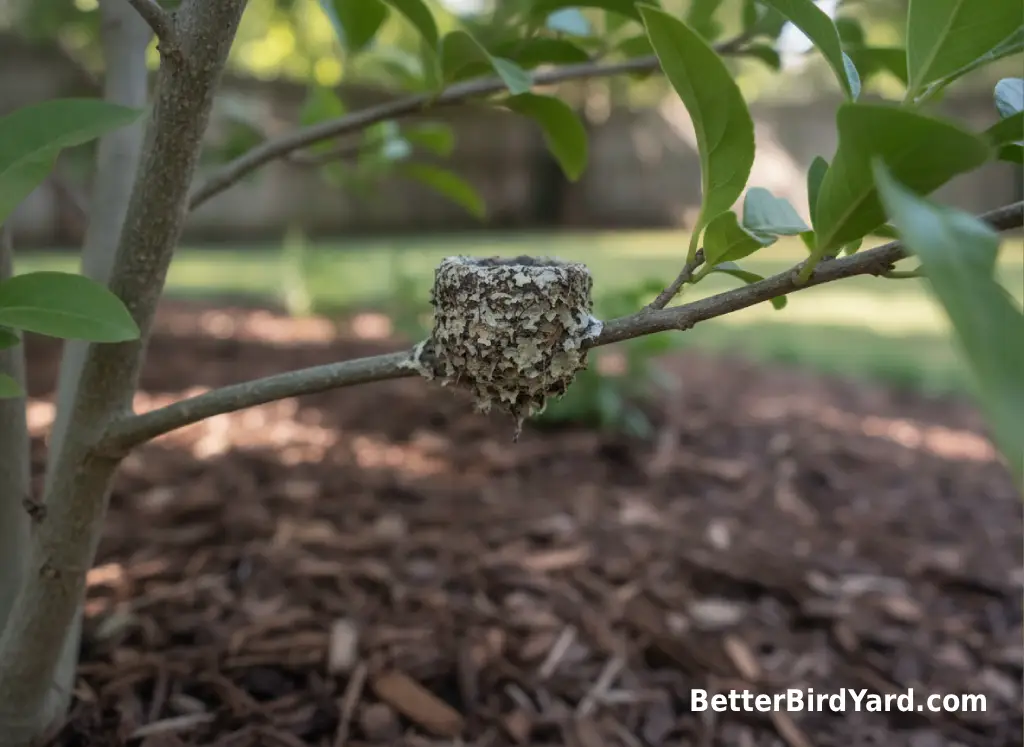
Adult hummingbirds do not usually use nests as nightly beds. A nest is mainly for eggs and young. During the nesting season, a female may spend nights on or near the nest while incubating eggs or brooding tiny chicks, but that is different from a non-nesting adult choosing a nest as a regular sleeping spot.
Cornell Lab’s All About Birds describes Ruby-throated Hummingbird nests as tiny cups built by females on slender branches, often 10 to 40 feet above the ground. The nest may include thistle or dandelion down held together with spider silk, with lichen and moss on the outside for camouflage.
If you find a hummingbird nest, enjoy it from a distance. Do not trim the branch, move the nest, touch the chicks, or try to improve the site. Hummingbird nests are delicate, well camouflaged, and easy to disturb. If storm damage, pruning, or a fallen nest creates an urgent concern, contact a licensed wildlife rehabilitator or local wildlife agency for advice before acting.
A common mistake is assuming that adding a decorative birdhouse will give hummingbirds somewhere to sleep or nest. Hummingbirds are not cavity-nesting birds. For them, natural cover, safe perches, native flowers, insects, and clean feeders are much more useful than a tiny house.
How To Support Sleeping Hummingbirds In Your Yard
The best way to help hummingbirds rest well is to make the daytime yard safer and more reliable. A hummingbird that can feed efficiently, perch nearby, and avoid obvious hazards is better set up for the night.
Keep the setup simple:
- Place feeders near shrubs or small trees, but not so buried that you cannot reach them for cleaning.
- Use plain white sugar and water for nectar, not honey, brown sugar, artificial sweeteners, or red dye.
- Clean and refill feeders often, especially in hot weather or whenever nectar looks cloudy.
- Offer native nectar flowers where practical, using local extension or native plant resources for your region.
- Keep cats away from feeder areas and sleeping cover.
- Reduce window collision risk near feeders by using visible window treatments or moving feeders to safer positions.
Audubon’s hummingbird feeding guidance supports the 1:4 white sugar to water recipe and says red coloring is not needed. Cornell’s All About Birds also notes that feeders should be placed with cat and window risks in mind.
Editorial note: If you only change one thing, make feeder maintenance easier. A small feeder you clean faithfully is better than a large decorative feeder that sits too long in sun with old nectar. For a deeper maintenance routine, see our guide to cleaning a hummingbird feeder.
Common Mistakes To Avoid Around Resting Hummingbirds
Most hummingbird sleep mistakes come from trying to help too much or from letting feeder chores slide. Hummingbirds are tiny, but they are wild birds with strong instincts. Your job is to reduce backyard risks, not manage their bedtime.
- Do not search through shrubs at night to find sleeping hummingbirds.
- Do not handle a still bird unless a qualified professional directs you or the bird is in immediate danger.
- Do not assume an oddly still dawn bird is dead; it may be in torpor.
- Do not leave cloudy nectar, black mold, or sticky feeder residue in place.
- Do not use red dye, honey, or dyed commercial mixes.
- Do not place feeders where outdoor cats can easily ambush birds.
Project FeederWatch’s hummingbird guidance recommends discarding cloudy nectar, cleaning immediately if black mold appears, and cleaning more often as temperatures rise. Cornell also specifically says there is no reason to add red dye to hummingbird sugar water because natural flower nectar is clear and feeder parts can provide visual attraction.
For a small patio or balcony, this may mean using one small feeder, placing it where you can reach it daily, and adding a potted native or regionally appropriate nectar plant for cover and natural feeding.
Check lease, HOA, or local rules if you are unsure whether feeders are allowed in your building or community.
When A Sleeping Or Still Hummingbird May Need Local Help
A still hummingbird is not always an emergency. Torpor can make a bird look unusually quiet, especially in the cool early morning. A bird perched safely in a shrub or on a branch should usually be left alone.
Get qualified local help if you see clear danger or injury, such as a hummingbird caught in netting, trapped indoors, hit by a window, attacked by a cat, lying exposed on the ground, bleeding, or unable to fly after a reasonable quiet observation period. Do not try to diagnose the problem or give food, water, warmth, medication, or home remedies.
Call a licensed wildlife rehabilitator, local wildlife agency, animal control, or another qualified local professional. If multiple birds look sick or you hear local disease warnings, clean feeders and bird baths, consider pausing feeding if local officials recommend it, and follow state wildlife agency guidance. USDA APHIS notes that avian influenza affects domestic and wild birds and that wild birds can carry viruses without appearing sick, while Audubon recommends following local agency advice if officials recommend feeder precautions.
This is one of those moments where careful restraint helps. Backyard bird watchers can do a lot of good with clean feeders, safer windows, cat-free feeding areas, and quick calls to qualified help when something is truly wrong.
Final Takeaway
Hummingbirds do sleep, and they usually do it out of sight on a small sheltered perch. On some nights, they may enter torpor, a deep sleep-like state that helps them conserve energy until morning.
They do not usually sleep in nests, they do not need birdhouses, and they do not need us to find or manage their nighttime roost. A still hummingbird at dawn may simply be slow to warm up, so quiet observation is safer than rushing in.
The most helpful backyard support is practical and ordinary: clean nectar, no red dye, no honey, nearby cover, native flowers where they fit your region, safer windows, and no outdoor cat access around feeding areas.
Give hummingbirds a yard that is clean, calm, and sheltered, and they will handle the sleeping part themselves.