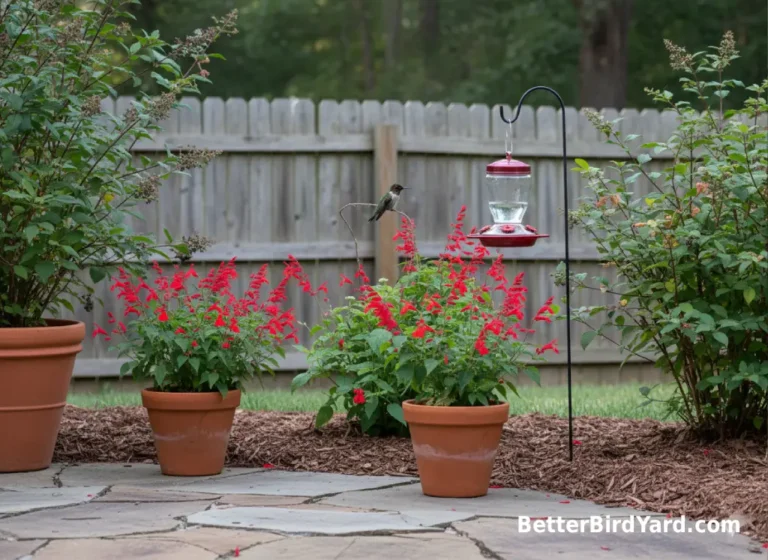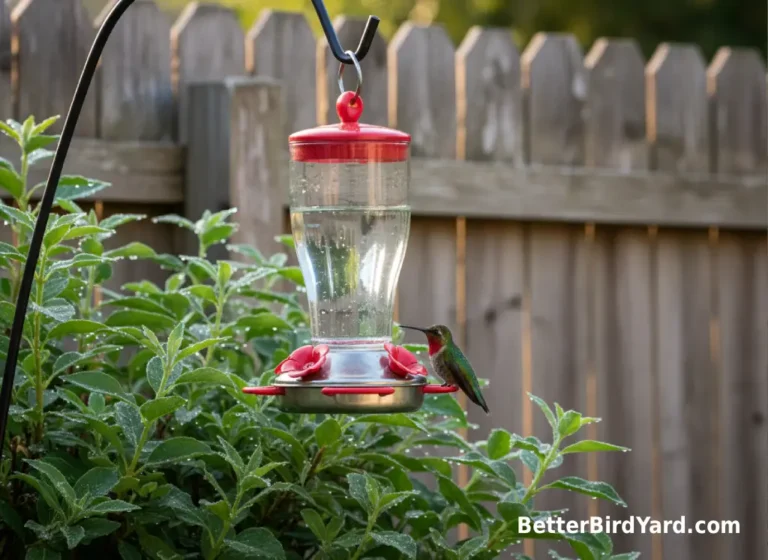
Do Hummingbirds Migrate? A Backyard Guide To Winter, Timing, And Feeders
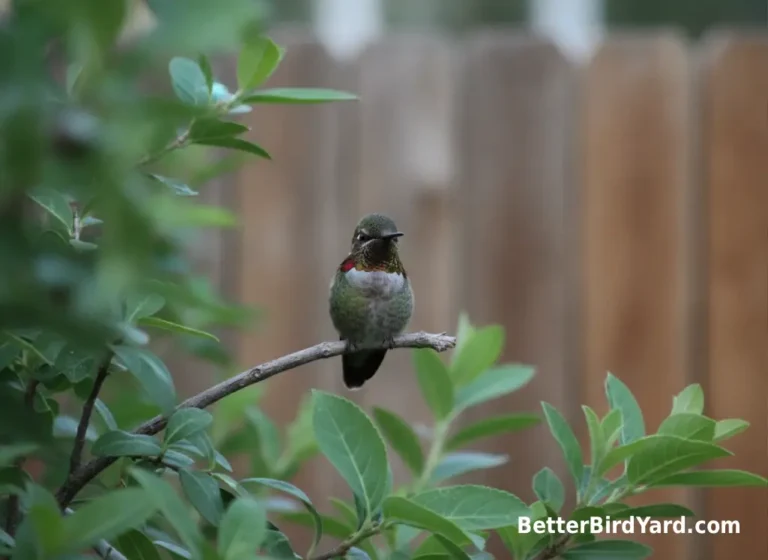
Yes, many hummingbirds migrate, but the answer depends on the species and where you live. For most backyard bird watchers in the eastern United States, the familiar Ruby-throated Hummingbird leaves its breeding range and spends the colder months in Mexico, Central America, or in limited wintering areas along parts of the Gulf Coast, southern Atlantic Coast, and Florida. In the West, some species make long seasonal movements, while others, such as Anna’s Hummingbirds in many Pacific Coast areas, may stay year-round.
The practical backyard question is usually this: where do hummingbirds go in the winter, and should you take your feeder down? In most cases, a clean feeder will not stop a hummingbird from migrating. Migration is guided by internal seasonal cues, including changing day length and sun angle, not simply by whether your feeder is still hanging outside.
That means your job is not to “send them south.” Your job is to offer a safe, fresh food stop if you can maintain it, then let the birds follow their own schedule.
Quick Answer: Most Hummingbirds Migrate, But Not All
Hummingbirds are not all on one shared migration schedule. Ruby-throated Hummingbirds are medium- to long-distance migrants and may cross the Gulf of Mexico or move around the Gulf Coast when traveling between breeding and wintering areas. Rufous Hummingbirds are also long-distance migrants, traveling nearly 4,000 miles between northwestern breeding areas and wintering sites in Mexico. Anna’s Hummingbirds, by contrast, do not migrate much in many parts of their range and may visit feeders all year.
For a backyard observer, the easiest way to think about hummingbirds migration is by region:
- In much of the eastern U.S., expect Ruby-throated Hummingbirds mainly during the warm season, with migration in spring and late summer into fall.
- Along parts of the Gulf Coast, southern Atlantic Coast, south Florida, southern Arizona, and the Pacific Coast, some hummingbirds may be present in winter.
- In the West, species and timing vary much more, so local bird clubs, Audubon chapters, state wildlife resources, and current sighting maps are more useful than a single national calendar.
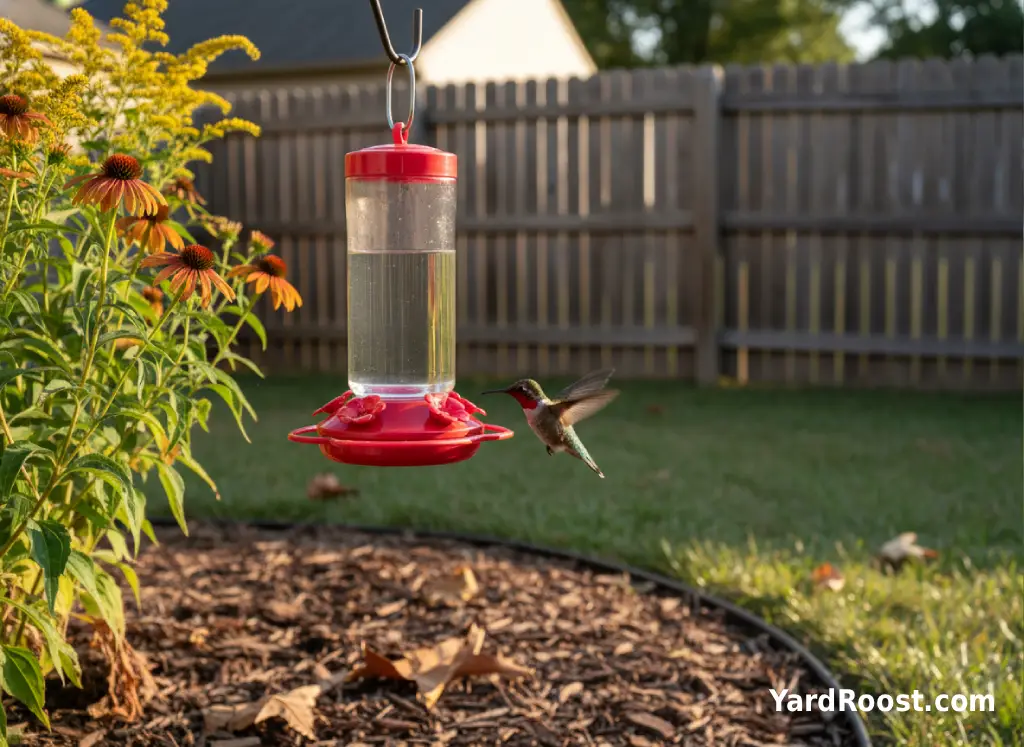
Where Hummingbirds Go In Winter
When people ask where hummingbirds migrate to in the winter, they are often asking about Ruby-throated Hummingbirds. Cornell Lab’s All About Birds describes Ruby-throated Hummingbirds as migrating to and from Central American wintering grounds, with some birds crossing the Gulf of Mexico and others following coastal routes. Some winter in North America along parts of the Gulf Coast, southern Atlantic Coast, and the tip of Florida.
Western hummingbirds are more varied. Rufous Hummingbirds winter mainly in Mexico after breeding as far north as Alaska and northwest Canada. Anna’s Hummingbirds are year-round residents in many western urban and coastal areas, and Audubon notes that several hummingbird species can overwinter in parts of the Gulf Coast, southern Arizona, south Florida, and the Pacific Coast.
| Common Backyard Situation | Likely Winter Pattern | Backyard Takeaway |
|---|---|---|
| Eastern U.S. yard with Ruby-throated Hummingbirds | Most leave for Mexico or Central America, with some wintering along southern coastal areas | Keep feeders clean while birds are present, then remove when activity has stopped |
| Pacific Coast or parts of the Southwest | Some species may remain through winter, depending on location and species | Year-round feeding can be helpful only if nectar is kept fresh and unfrozen |
| Unexpected late fall or winter hummingbird | Could be a late migrant, wintering bird, or out-of-range visitor | Do not assume it is trapped by your feeder; keep nectar clean and check local birding guidance |
When Hummingbirds Migrate South And North
Hummingbird migration timing changes with species, latitude, elevation, weather, and local food availability. In much of the U.S., spring movement happens as birds move north into breeding areas, while southbound movement is most noticeable from late summer into fall. Rufous Hummingbirds, for example, move north along the Pacific Coast in spring and return through the Rocky Mountains in late summer and fall.
For feeder timing, Audubon recommends putting feeders out about a week before hummingbirds normally arrive in areas where they leave for winter, while noting that the date varies by region. Journey North’s hummingbird maps can help readers see where hummingbirds are being observed, especially during spring movement, but those maps are sighting reports rather than a guarantee for a particular porch or zip code.
If you are looking at a hummingbird migration 2025 map archive, use it as a rough comparison, not a calendar for the current season. A warm March, a cold front, a drought, or a strong local flower bloom can change what you see in your own yard.
For a simple backyard plan, keep a small note in your phone or garden notebook:
- First hummingbird seen in spring
- Peak feeder activity
- First noticeable drop in visits
- Last confirmed fall sighting
- Any unusual late or winter visitor
After two or three seasons, your own notes often become more useful than a national average.
How Far Hummingbirds Migrate And How They Travel
Hummingbirds migrate as individuals, not in flocks. Cornell Lab notes that hummingbirds migrate individually, and the U.S. Fish and Wildlife Service describes Ruby-throated Hummingbirds as migrating solo over the Gulf of Mexico, a journey of about 500 miles. Some can fly nonstop for 18 to 20 hours during that Gulf crossing.
The distance depends on the species and route. A Ruby-throated Hummingbird in a northern backyard may travel hundreds or even thousands of total miles between breeding and wintering areas. A Rufous Hummingbird can travel nearly 4,000 miles from Alaska and northwest Canada to Mexico. An Anna’s Hummingbird in a mild western neighborhood may not make a long migration at all.
They prepare by feeding heavily when nectar and tiny insects are available. That is one reason a late-summer feeder can suddenly look busy, then quiet, then busy again. You may be seeing different individuals passing through, not the same birds lingering because they forgot to leave.
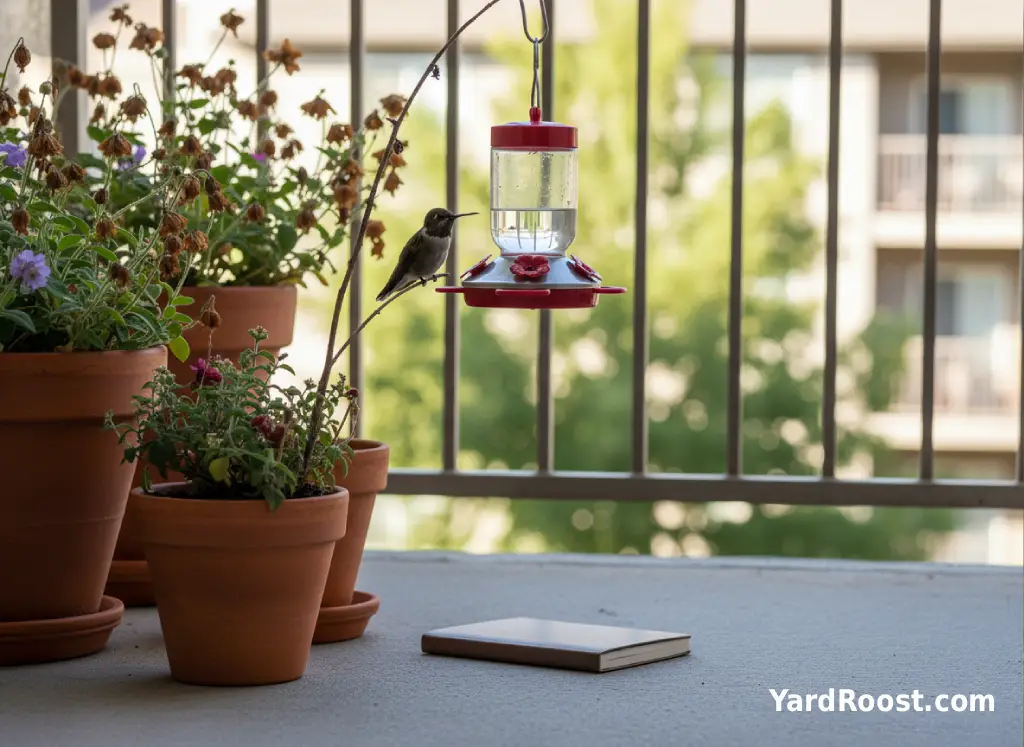
Editorial note: in a small yard or balcony, you do not need to “power feed” hummingbirds. One clean feeder, a few nectar-rich native flowers, and a pesticide-light approach can be enough to make your space a useful stop without turning maintenance into a chore.
Should You Leave Hummingbird Feeders Up During Migration?
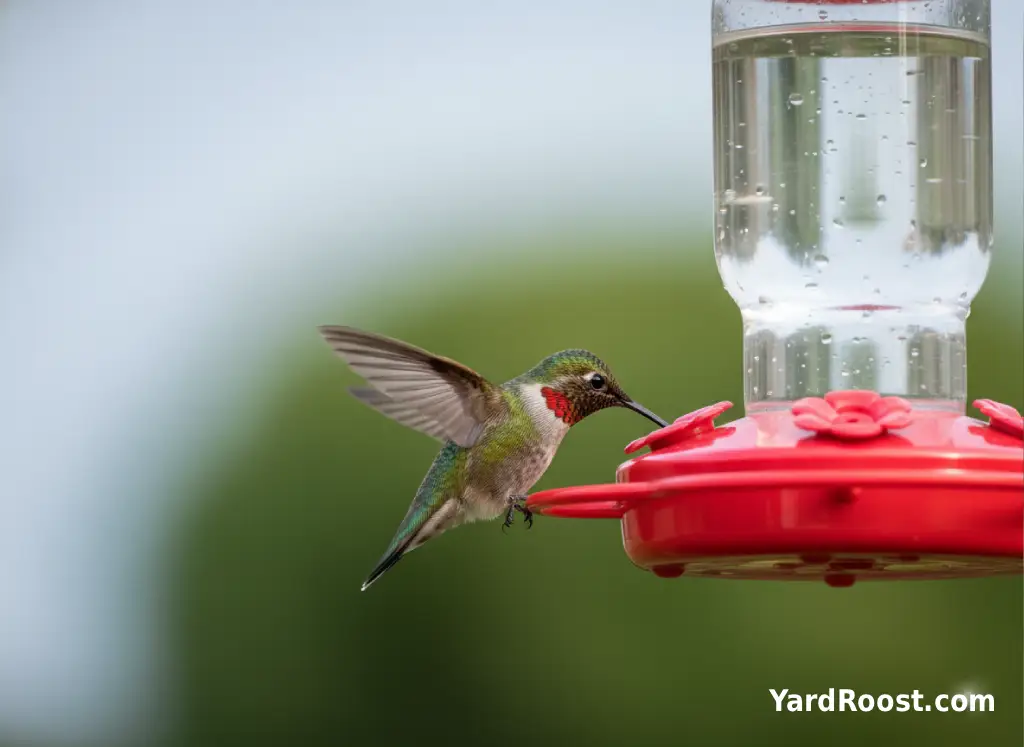
You can leave hummingbird feeders up as long as you are willing to keep them clean. Audubon says feeders can stay out as long as hummingbirds are around, and even after they disappear, because late migrants or out-of-range birds may show up into early winter. Audubon also states that leaving a feeder up does not make hummingbirds stay too late; migration is tied to seasonal cues such as day length and sun angle.
A practical BetterBirdYard rule is this: keep the feeder up through migration only if you can maintain it. If you have not seen a hummingbird for a couple of weeks and you are ready to stop cleaning the feeder, take it down, wash it well, dry it, and store it for next season.
For spring, put the feeder out shortly before birds usually arrive in your area. For fall, avoid pulling it down the moment adult males disappear. Females, juveniles, and later migrants may still use the same yard after the early birds have moved on.
This is one of those details that matters more than beginners expect: an empty hook is safer than a neglected feeder. If travel, work, heat, ants, or mold make regular cleaning unrealistic, remove the feeder for a while and focus on flowers instead.
Safe Nectar And Cleaning During Migration
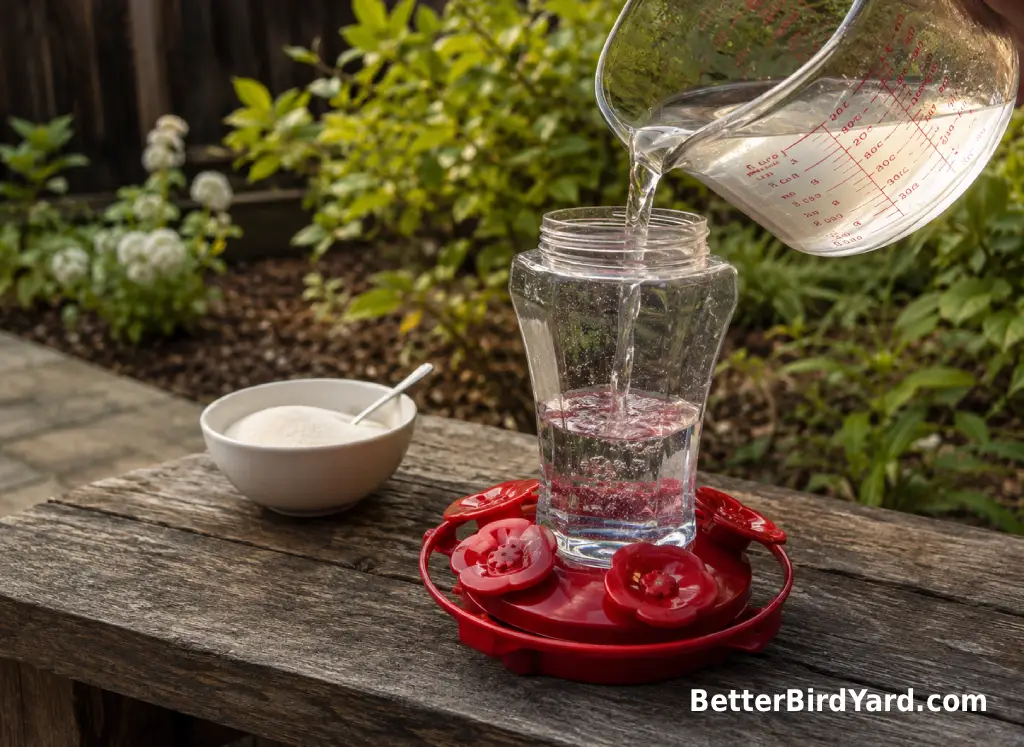
The standard hummingbird food recipe is simple: one part refined white sugar to four parts water. Do not add red dye, honey, brown sugar, molasses, artificial sweeteners, or sports drinks. Audubon and the National Wildlife Federation both recommend plain white sugar water and caution against red coloring and alternative sweeteners.
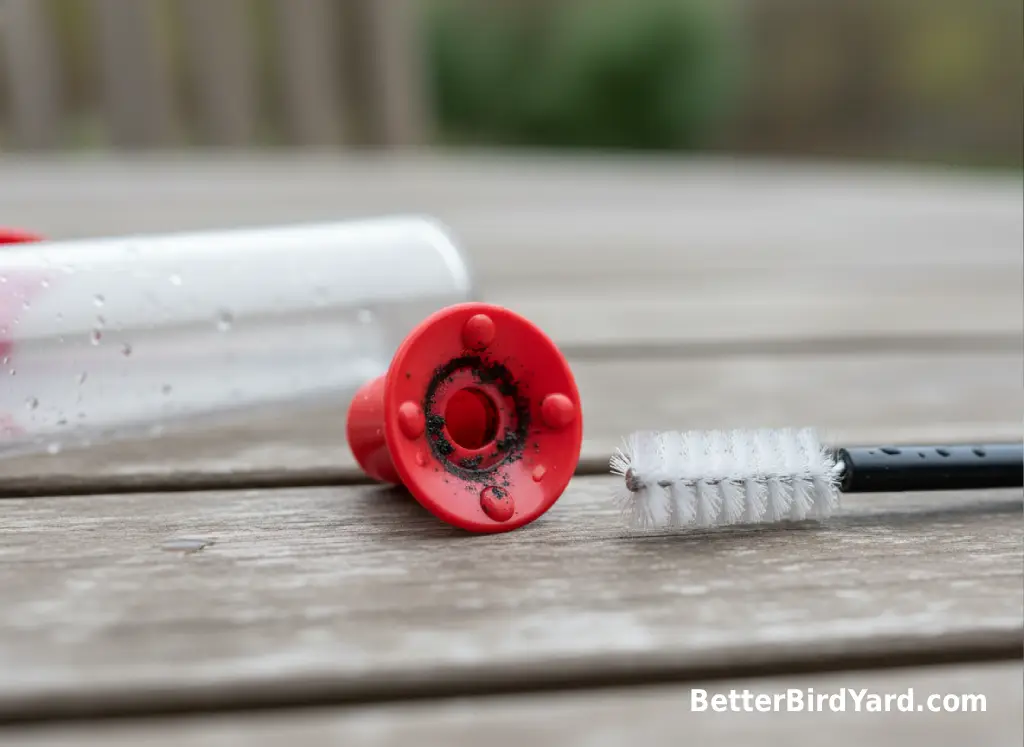
Cleaning matters as much as the recipe. Audubon recommends emptying and cleaning feeders every day or every other day in hot weather, about every three days in temperate weather, and twice per week in cooler weather. Project FeederWatch notes that bacteria and fungi grow more quickly as temperatures rise, and that cloudy water or black mold means the nectar should be discarded and the feeder cleaned immediately.
Use smaller amounts of nectar during slow periods so less is wasted. In a small patio feeder, filling only part of the reservoir is often better than leaving a full batch to sit untouched in warm weather.
- Change nectar sooner if it looks cloudy, stringy, fermented, or has floating debris.
- Scrub feeder ports and seams, not just the reservoir.
- Rinse thoroughly so no cleaning residue remains.
- Move a leaking feeder or ant-covered feeder and clean the outside before rehanging it.
- Pause feeding and check local wildlife agency guidance if you notice sick or dead birds around feeders or baths.
If you find a sick, injured, stunned, or unusually weak hummingbird, do not try to diagnose or treat it at home. Keep pets away and contact a licensed wildlife rehabilitator, local wildlife agency, animal control, or another qualified local professional for the safest next step. USGS wildlife health guidance notes that birds congregating at feeders and bird baths can transmit diseases and recommends contacting state wildlife agencies when sick or dead birds are encountered.
How To Make Your Yard A Better Migration Stop
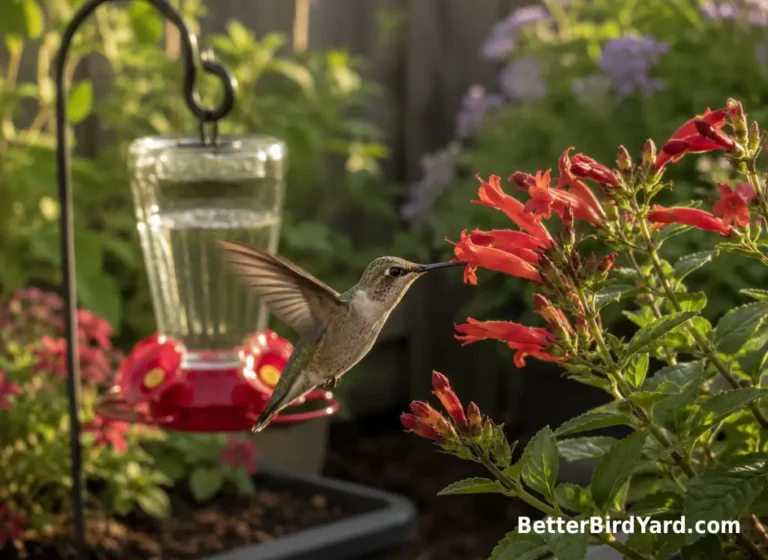
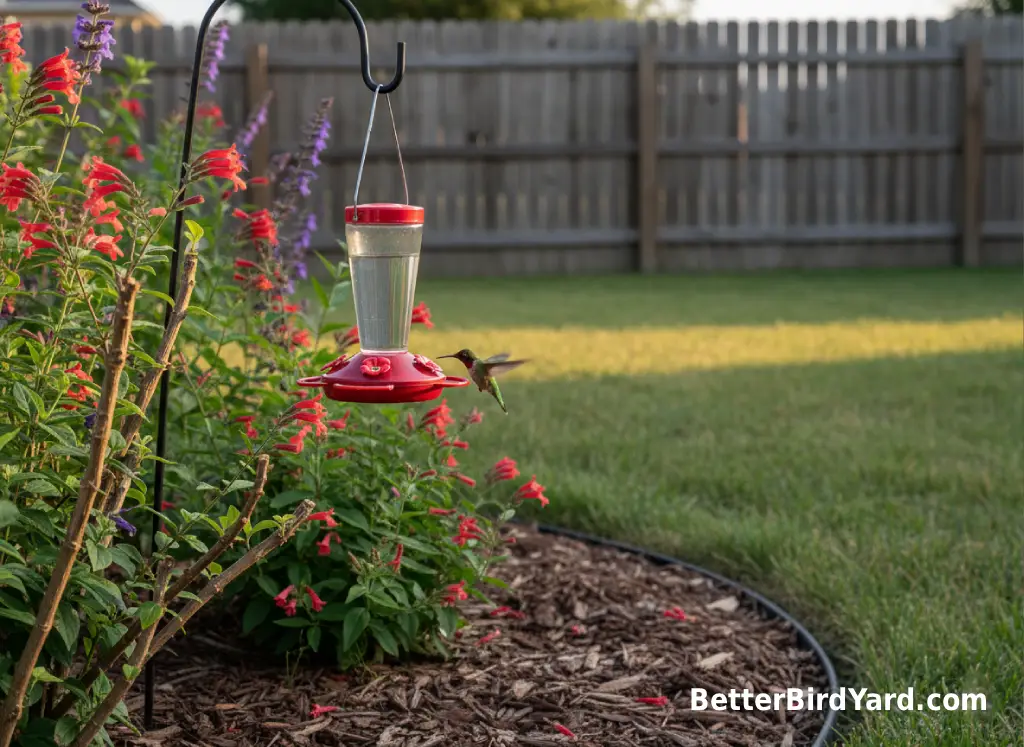
A feeder is helpful, but hummingbirds are not living on sugar water alone. They also use flowers, tiny insects, spiders, water, and sheltered perches. The National Wildlife Federation recommends native flowers as nectar sources and insect habitat, while Audubon emphasizes insects and spiders as important protein sources for hummingbirds and their young.
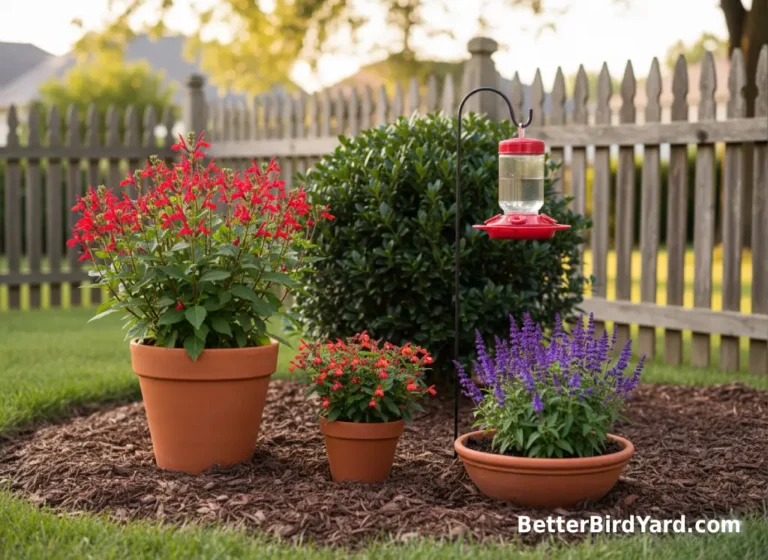
For an ordinary yard, start with a few practical upgrades rather than trying to redesign everything at once. Add region-appropriate native flowers with staggered bloom times. Keep some twiggy shrubs or small trees for perching and shelter. Avoid broad pesticide use around feeder and flower areas, because hummingbirds eat small insects as well as nectar.
For renters and small-space bird watchers, a container garden can still help. A sunny balcony with a clean feeder, a pot of native or regionally appropriate nectar flowers, and a nearby perch may be useful during migration. Check apartment, HOA, and local rules before hanging feeders where drips could affect neighbors or attract ants.
Two BetterBirdYard follow-ups that fit naturally here are how to clean a hummingbird feeder and native plants for hummingbirds. Those are the two areas where small improvements usually help birds more than buying a bigger feeder.
Common Hummingbird Migration Mistakes To Avoid
The biggest migration mistake is thinking the feeder controls the bird. It does not. A clean feeder can support a bird that is already moving through, but it will not override the seasonal urge to migrate. Audubon’s feeder guidance is clear that hummingbirds know it is time to leave based on seasonal cues rather than simply cold weather or the absence of nectar.
Other mistakes are more practical:
- Taking every feeder down too early. Late migrants may still pass through after your regular birds are gone.
- Leaving nectar out too long. Warm sugar water spoils quickly and should be changed before it turns cloudy or moldy.
- Using red dye. A red feeder is enough; the nectar should be clear.
- Assuming hummingbirds migrate in flocks. They migrate individually, so one bird does not mean a whole group is behind it.
- Ignoring windows, cats, and pesticide exposure. A yard can offer food and still be risky if the feeder is poorly placed.
In a real backyard, the best setup is usually modest: one easy-to-clean feeder in partial shade, visible from the house but not tight against a dangerous reflective window, with flowers and shrubs nearby.
Hummingbird Migration FAQ
Do Hummingbirds Migrate In Flocks?
No. Hummingbirds migrate individually, not in flocks. That includes young birds making their first migration without following a parent or flock leader.
Where Do Hummingbirds Migrate To In Winter?
Many Ruby-throated Hummingbirds migrate to Mexico and Central America, though some winter in parts of the southern U.S. Other species vary: Rufous Hummingbirds winter mainly in Mexico, while Anna’s Hummingbirds may remain year-round in many western areas.
When Do Hummingbirds Migrate South?
Southbound movement is usually noticed from late summer into fall, but exact timing depends on species and region. Watch your local sightings, keep notes from year to year, and avoid relying on a single national date.
Do Hummingbirds Migrate In The Winter?
Most hummingbirds that leave colder breeding areas migrate before deep winter. If you see one in winter, it may be a species that normally winters in your region, a late migrant, or an out-of-range visitor. Keep nectar fresh if you feed, and check local birding or wildlife guidance if you are unsure.
Will My Feeder Keep Hummingbirds From Migrating?
No. A maintained feeder does not stop migration. It may help late migrants refuel, but only if the nectar is fresh and the feeder is clean.
Final Takeaway For Backyard Bird Watchers
Do hummingbirds migrate? Many do, and some travel astonishing distances for such tiny birds. But the better backyard answer is more local: learn which species visit your area, watch the seasonal pattern in your own yard, and keep your support simple, clean, and safe.
Leave feeders up during migration if you can maintain them. Use plain white sugar water at a 1:4 ratio, skip red dye and honey, and clean more often in warm weather. If keeping up with cleaning becomes difficult, take the feeder down rather than letting nectar spoil.
The most bird-friendly yard is not the one with the most feeders. It is the one that offers fresh nectar, native flowers, insects, safe perches, reduced pesticide pressure, and fewer hazards. In a large suburban yard, that might mean a layered garden and a feeder station. On a balcony, it might mean one clean feeder, one good flowering pot, and careful attention to ants, windows, and neighbor rules.
Hummingbirds already know when to go. A responsible backyard simply gives them a safer place to pause along the way.