Hummingbird House: What Actually Helps Hummingbirds Nest
A hummingbird house sounds like a sweet backyard idea: a tiny birdhouse for a tiny bird. The problem is that hummingbirds do not use enclosed birdhouses or traditional nesting boxes. If you buy a miniature wooden “hummingbird bird house,” it may look charming in a garden, but it is very unlikely to become a nesting site.
Hummingbirds are not cavity nesters. Cornell Lab’s NestWatch explains that nest boxes help birds that naturally nest in holes, while hummingbirds build small cup-shaped nests on branches, shrubs, and occasionally human-made supports such as wires or porch fixtures. Their nests are usually supported from below, partly concealed, and built with flexible materials such as plant down, spider silk, lichens, and moss.
The useful question is not which hummingbird house plans to build. It is how to make your yard, patio, or balcony more nest-friendly without interfering with wild birds. That means offering safe cover, nectar-rich flowers, tiny insects, clean feeders, fresh water, and quiet observation from a respectful distance.
Quick Answer: Do Hummingbirds Use Houses Or Nesting Boxes?
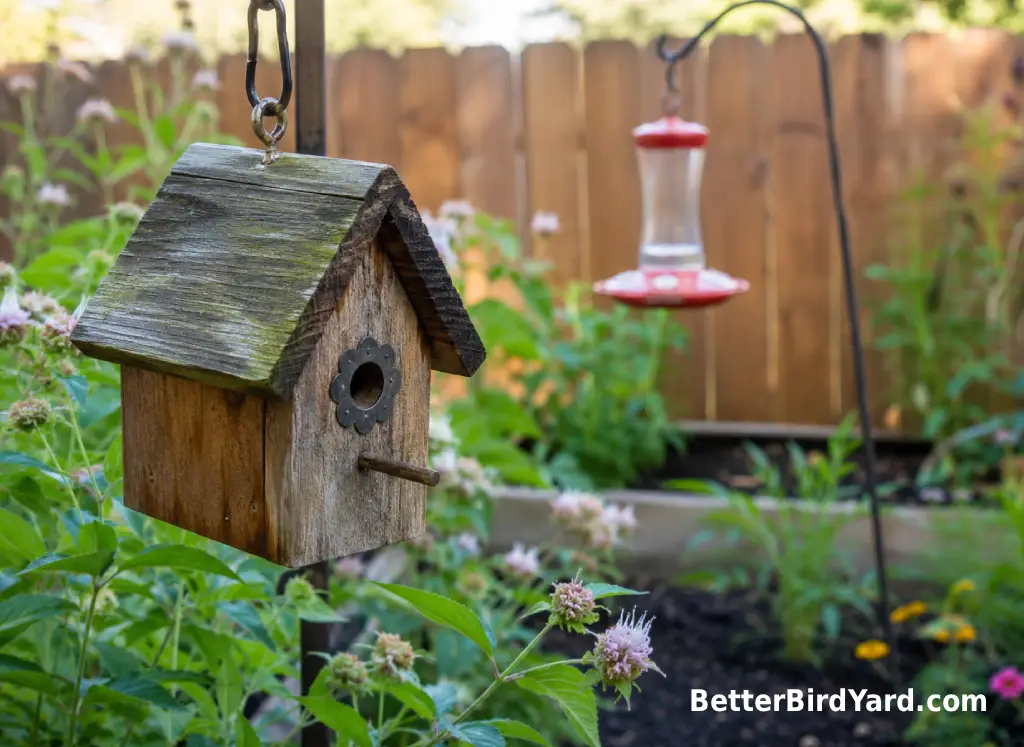
No, hummingbirds do not use a typical hummingbird nesting box, enclosed birdhouse, or little cabin-style shelter. Those products are decorative at best. They may still be fine as garden ornaments, but they should not be treated as real hummingbird housing.
A traditional birdhouse works for cavity-nesting birds such as some wrens, chickadees, bluebirds, and tree swallows. Hummingbirds use a different nesting strategy. The female chooses a small support, often a slender branch, and builds a tiny open cup nest instead of entering a cavity. Cornell’s Ruby-throated Hummingbird life history notes that nests are often placed on slender branches and are built directly on top of the branch rather than inside a box.
For backyard bird watchers, the practical takeaway is simple: skip the enclosed hummingbird house if your goal is nesting support. Put your effort into habitat instead. A yard with sheltering shrubs, small trees, native flowers, clean nectar feeders, insects, and safe perches gives hummingbirds more of what they actually use.
| Item | Will Hummingbirds Use It? | BetterBirdYard Take |
|---|---|---|
| Mini Enclosed Hummingbird House | Very unlikely | Decorative, not useful as a true nest site |
| Traditional Hummingbird Nest Box | No | Hummingbirds are not cavity nesters |
| Small Branch-Like Support | Possible, but not guaranteed | Can be a low-cost experiment with low expectations |
| Shrubs, Small Trees, And Native Plants | Much more useful | Best practical way to support nesting habitat |
Why Hummingbirds Choose Branches Instead Of Birdhouses
Hummingbird nests are built to be small, flexible, and hidden. That is a very different design from a wooden box with an entrance hole. The female hummingbird needs a place that supports the nest from below, gives some cover from weather and predators, and sits near food sources.
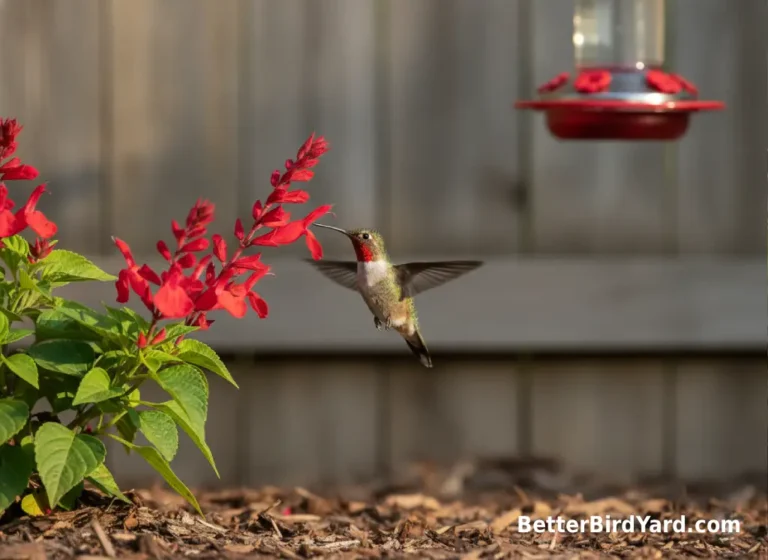
Ruby-throated Hummingbirds, the main breeding hummingbird across much of the eastern United States, often nest in deciduous trees such as oak, hornbeam, birch, poplar, or hackberry. Cornell describes their nests as tiny cups made with plant down and spider silk, often decorated with lichens or moss for camouflage. In the West, Anna’s Hummingbirds also build small nests from plant down and spider webs on branches of trees or shrubs.
This is why many hummingbird houses fail the bird’s basic test. An enclosed box does not imitate the open branch structure they are looking for. It can also be too obvious, too exposed, too hot, too confined, or simply irrelevant to the way hummingbirds naturally nest.
A common mistake we see is treating hummingbirds like tiny bluebirds. Bluebirds may accept a properly designed nest box in the right habitat. Hummingbirds are looking for something closer to a sheltered twig, small branch, or leafy edge with food nearby.
What To Do Instead Of Buying A Hummingbird Nest Box
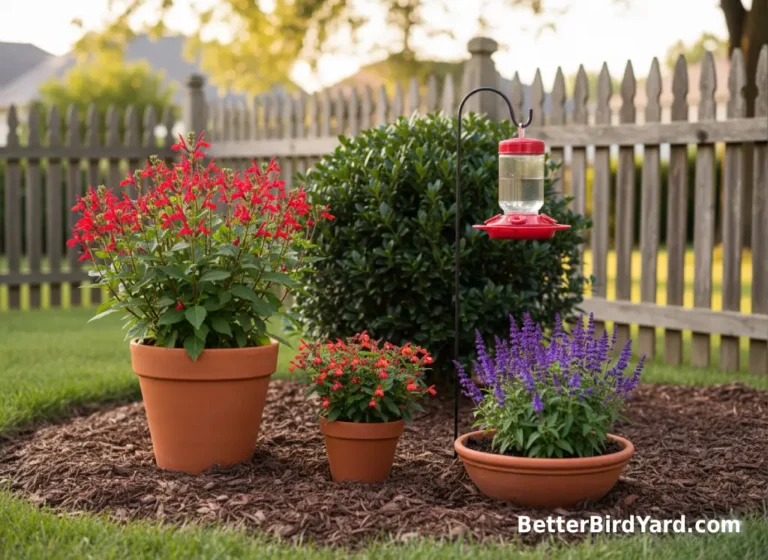
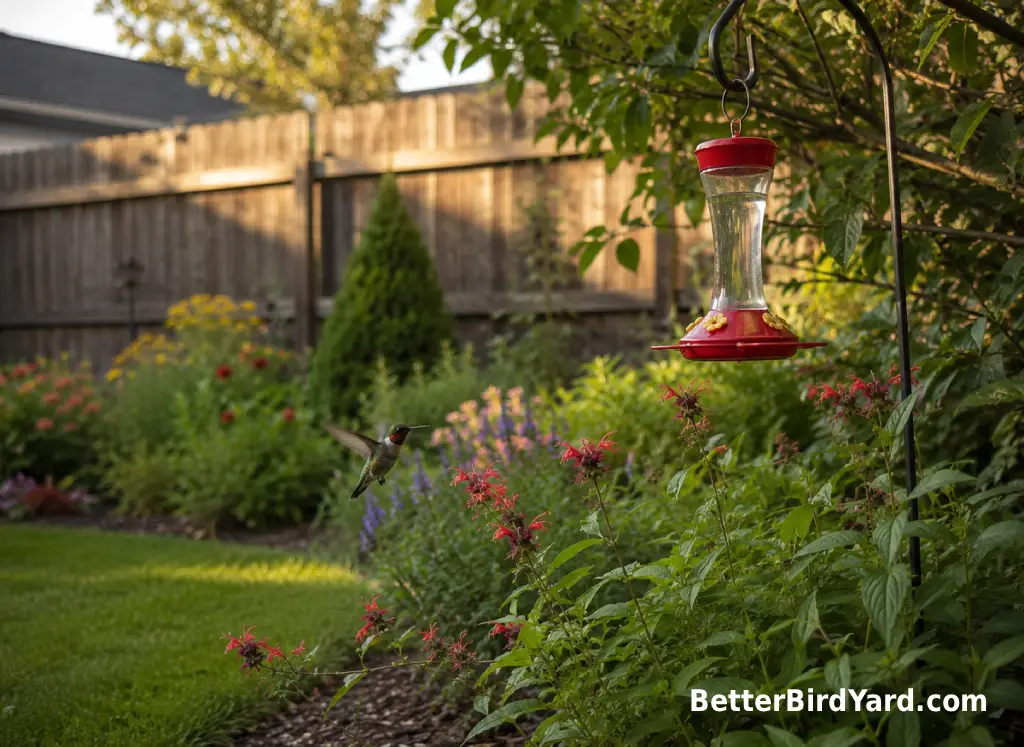
The best hummingbird housing is not a house. It is a small habitat zone that gives hummingbirds food, cover, nesting materials, and safe resting spots. You do not need a large yard to do this well. A patio with a few containers, a trellis, and a clean feeder can still help.
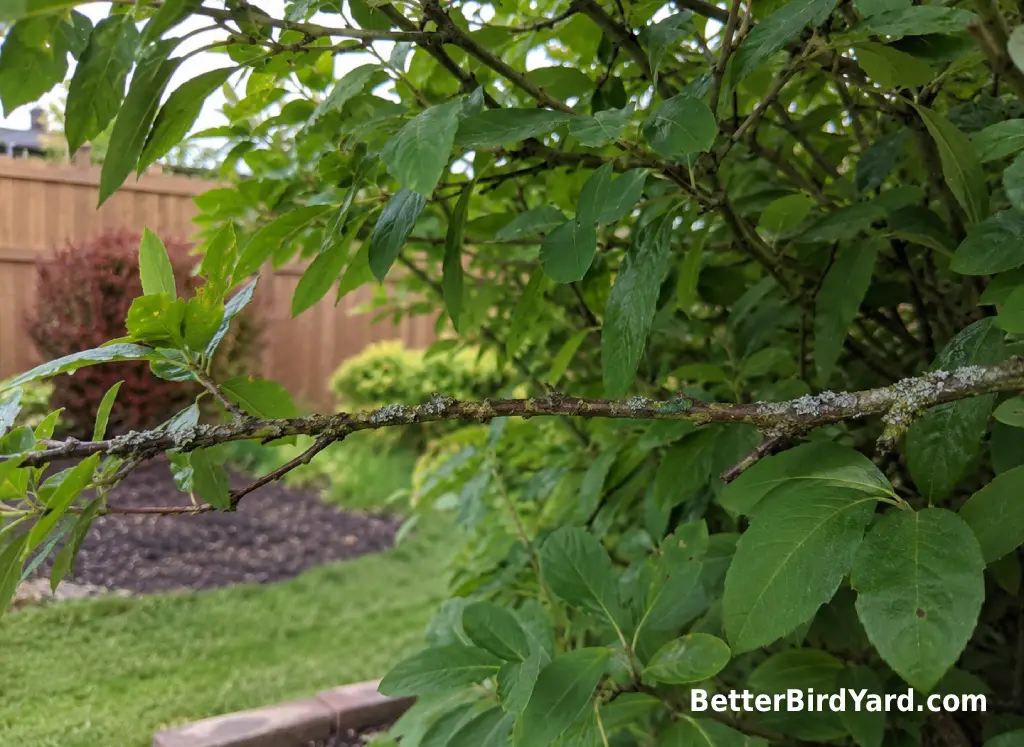
Audubon recommends maintaining shrubbery and small deciduous trees for protective cover, along with nectar plants, perches, insects, and water. Hummingbirds also rely on small insects and spiders, especially during nesting, so a perfectly sterile yard is not ideal habitat.
- Plant native nectar flowers suited to your region, especially tubular blooms that flower at different times.
- Keep some shrubs or small trees where a nest could be partly hidden.
- Allow a few natural materials such as soft plant fibers and lichens to remain in the yard.
- Avoid broad pesticide use around hummingbird plants, feeders, and nesting cover.
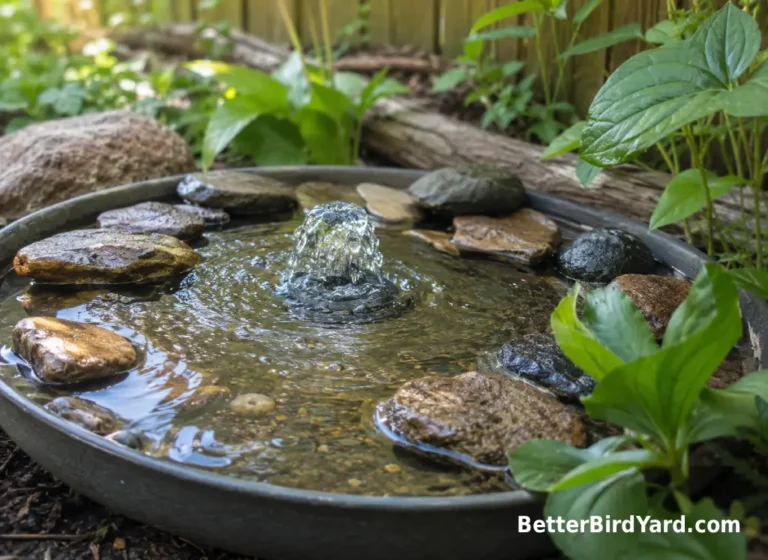
- Add fine mist or shallow moving water if you can maintain it cleanly.
For a deeper planting plan, link this idea to a dedicated guide such as native plants for hummingbirds. The more your yard functions like a small feeding and shelter zone, the less you need to rely on gimmicky hummingbird nesting boxes.
Small-Space Hummingbird Housing Ideas That Make Sense
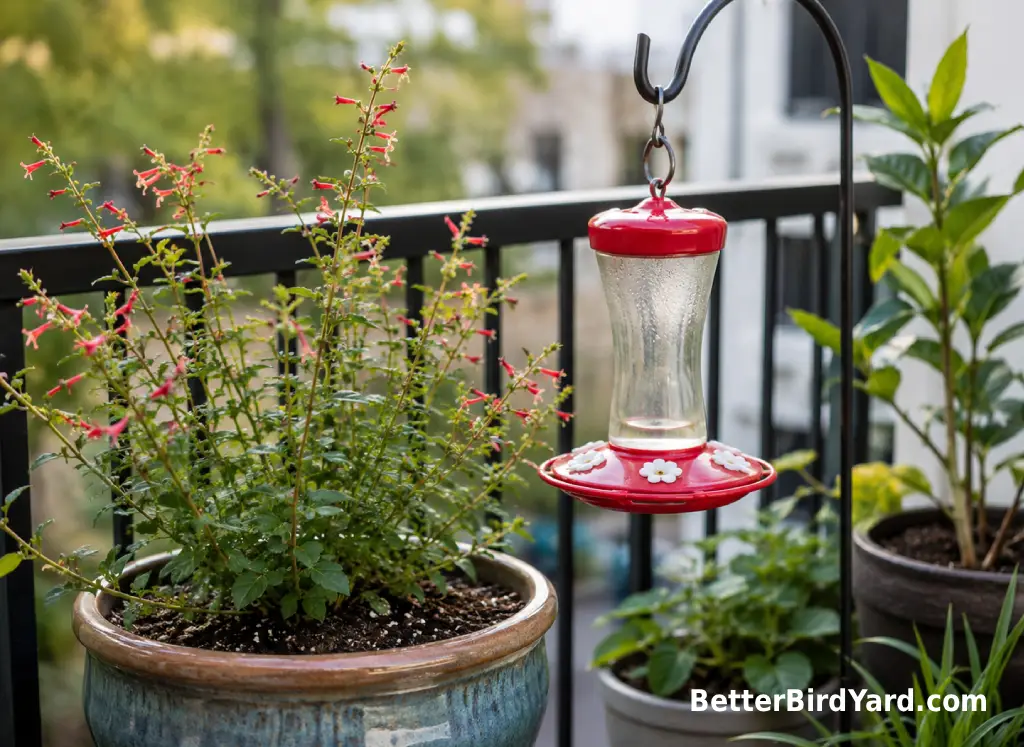
Renters and small-yard bird watchers can still support hummingbirds, but the goal should be realistic. A balcony or patio may become a feeding stop, a perch area, or a safe place for flowers. It may not become a nesting site, especially if there is little cover or constant human traffic.
In a small space, keep the setup simple. One easy-to-clean feeder, two or three nectar-rich container plants, and a nearby shrub or small tree if you have room can be more useful than several decorative hummingbird houses. Audubon notes that hummingbird gardens do not need to be large; even a flower box or trellis can provide value when planted thoughtfully.
Good small-space choices include:
- A feeder placed where you can clean and refill it easily.
- Container flowers that bloom at different times during hummingbird season.
- A trellis or tall pot that adds vertical structure without crowding the space.
- A perch-like twig or small branch in a planter, placed away from heavy foot traffic.
Check apartment, condo, city, and HOA rules before hanging feeders from railings or shared structures. Rules vary, and nectar spills can attract ants or other insects if a feeder is neglected. A small hummingbird setup is only helpful when it stays clean, safe, and manageable.
Hummingbird House Plans: A Better DIY Approach
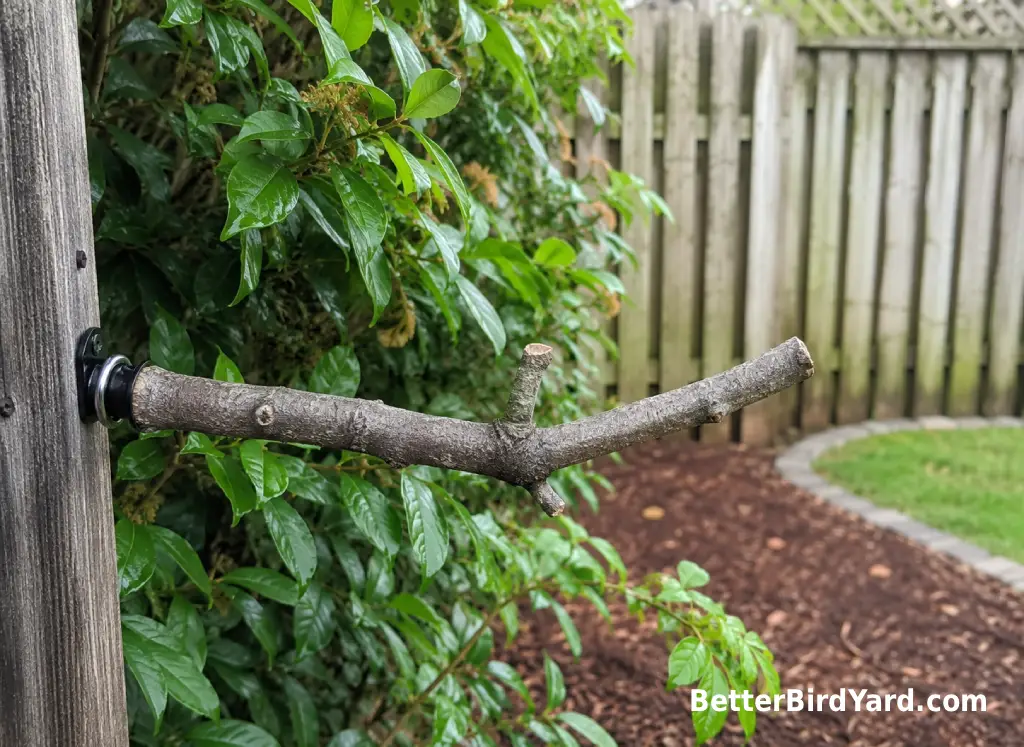
If you enjoy DIY projects, skip enclosed hummingbird house plans and think in terms of a branch support. Cornell NestWatch says hummingbirds may occasionally nest on human-made structures, especially where a support resembles a small branch, but expectations should stay low and buying a commercial hummingbird house is not necessary.
A simple experiment is safer and more realistic than building a tiny box. Use a natural twig, short branch, or small forked support mounted securely in a quiet, sheltered spot near plants. Keep it plain. Do not add cotton balls, yarn, dryer lint, glue, fabric, glitter, paint flakes, or loose strings. These can create entanglement or ingestion risks for birds.
A better DIY setup looks like this:
- One natural, stable branch-like support.
- Partial cover from nearby leaves or shrubs.
- No enclosed chamber, entrance hole, or dangling fibers.
- No repeated checking, touching, or adjusting once birds are active nearby.
- Clean feeders and flowers nearby, but not directly on top of a potential nest site.
Editorial note: If you only change one thing, add plants before adding hardware. A branch support without food, cover, insects, and quiet space is just another object in the yard.
Feeder And Nectar Safety Near Nesting Areas
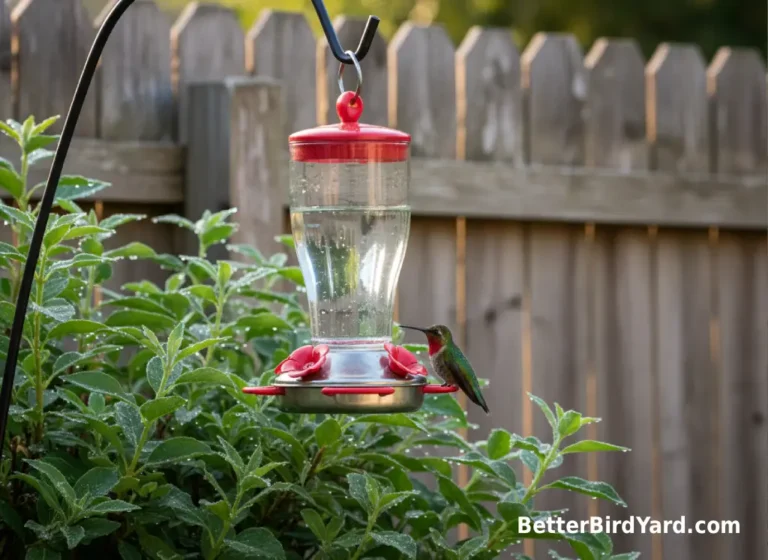
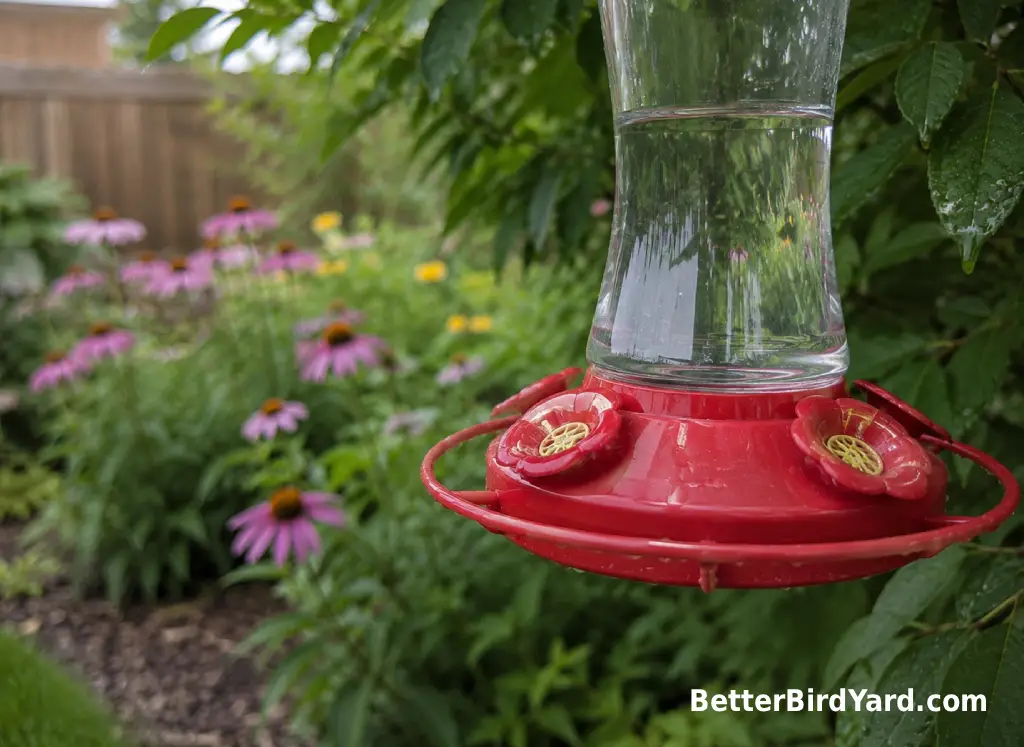
A feeder can help hummingbirds, but only if it is kept clean. Near nesting season, clean nectar matters because hummingbirds may visit frequently and hot weather can spoil sugar water quickly.
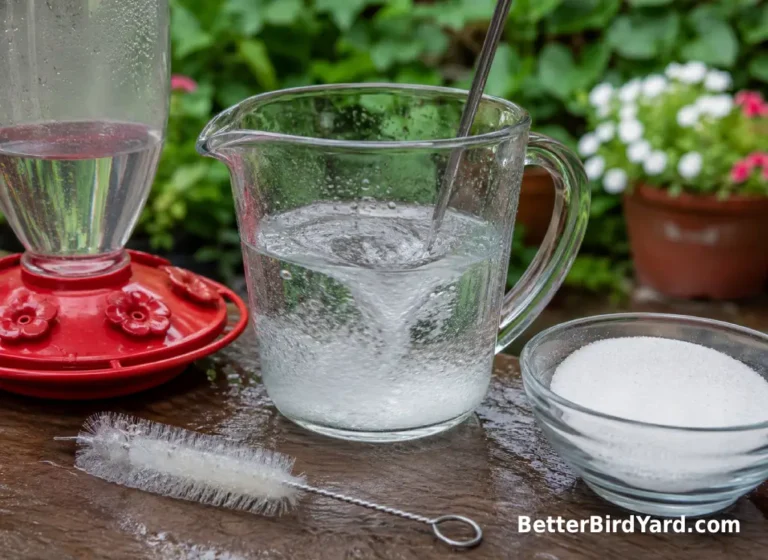
Use plain white table sugar and water at a 1:4 ratio, with no red dye. The Smithsonian’s National Zoo recommends one part refined white sugar to four parts water, changing feeders every other day and cleaning them thoroughly to prevent mold growth. It also advises against honey, corn syrup, raw sugars, and powdered sugar for hummingbird nectar.
Practical feeder habits are simple:
- Make only as much nectar as your birds will use before it spoils.
- Clean right away if nectar looks cloudy or you see mold.
- Place feeders in partial shade when possible.
- Keep feeders away from windows or use window-strike prevention if reflections are a problem.
- Move or reduce feeders if ants, bees, raccoons, or other nuisance issues become hard to manage.
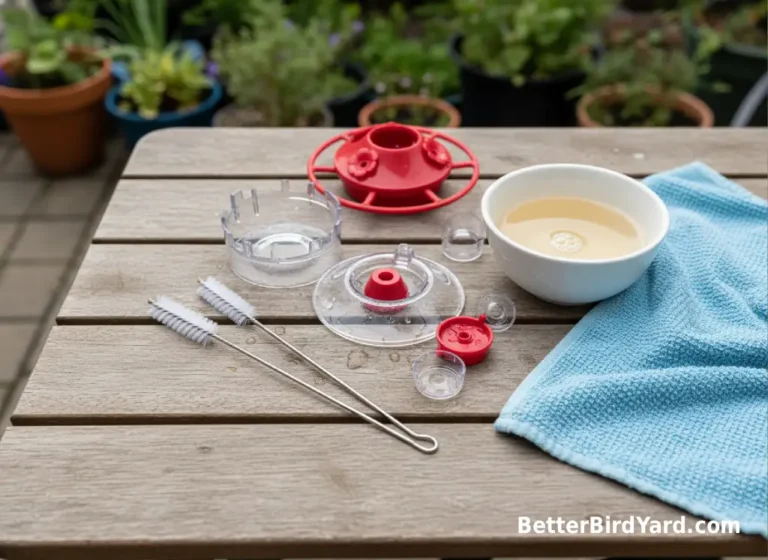
Audubon’s hummingbird feeding guidance recommends cleaning more often in hot weather and immediately when mold or insect problems appear. A helpful next step for readers is a dedicated hummingbird feeder cleaning routine, because a small, clean feeder is better than a large feeder that sits too long.
Common Hummingbird House Mistakes To Avoid
Most mistakes come from trying too hard to provide a perfect little home. Hummingbirds are wild birds with very specific nesting habits, and a busy backyard project can accidentally make the space less useful.
- Do not expect enclosed hummingbird houses to attract nesting birds.
- Do not place a feeder so close to a potential nest area that it increases traffic and conflict.
- Do not offer yarn, dryer lint, synthetic fibers, or string as nesting material.
- Do not prune shrubs heavily during nesting season without checking carefully from a distance first.
- Do not use pesticides around flowering plants, spiders, or insect-rich areas that hummingbirds may rely on.
- Do not check a nest repeatedly just to see what is happening.
It is also wise to manage predators and window risks. Keep cats indoors or away from bird activity areas, avoid placing feeders beside highly reflective glass, and use practical window-strike prevention if hummingbirds are flying near windows. These steps are not as cute as a tiny hummingbird house, but they matter far more for bird safety.
If You Find A Hummingbird Nest
Finding a hummingbird nest is exciting, but the safest response is usually to give it space. Do not touch the nest, move it, trim around it, or try to improve it. Even well-meant attention can create disturbance or draw predator attention.
Cornell’s NestWatch Code of Conduct warns nest observers to avoid accidental harm, parental desertion, and attracting predators. Cornell’s All About Birds also advises observing nests carefully from a distance and avoiding disturbance, especially early in incubation or when young are close to fledging.
If a nest is in an inconvenient place, such as near a porch light or patio corner, reduce activity nearby where practical and use another door or route if you can. If a bird appears injured, a nest has fallen, or you find a very young bird that seems to need help, contact a licensed wildlife rehabilitator or your state wildlife agency for local guidance. The U.S. Fish and Wildlife Service advises finding a licensed rehabilitator when wildlife truly needs help and calling ahead before transporting an animal.
A hummingbird house is a charming idea, but it is not how hummingbirds nest. These birds build tiny, open cup nests on branches, shrubs, and occasional human-made supports, not inside enclosed boxes. The most helpful backyard plan is to create a small, safe habitat: native flowers, shrubs or small trees, clean nectar feeders, insects, perches, water, and low disturbance.
For most readers, the best hummingbird nesting box is no box at all. Spend your time and budget on plants, feeder hygiene, safer placement, and a quiet corner where hummingbirds can make their own choices. That approach is more realistic, more bird-friendly, and much more useful than hanging a decorative house and hoping a hummingbird treats it like home.