Cardinal Bird House: What Cardinals Actually Need To Nest
A cardinal bird house sounds like a perfect backyard project: build a cozy little red house, hang it on a fence, and wait for a pair of Northern Cardinals to move in. The problem is that cardinals usually do not nest that way.
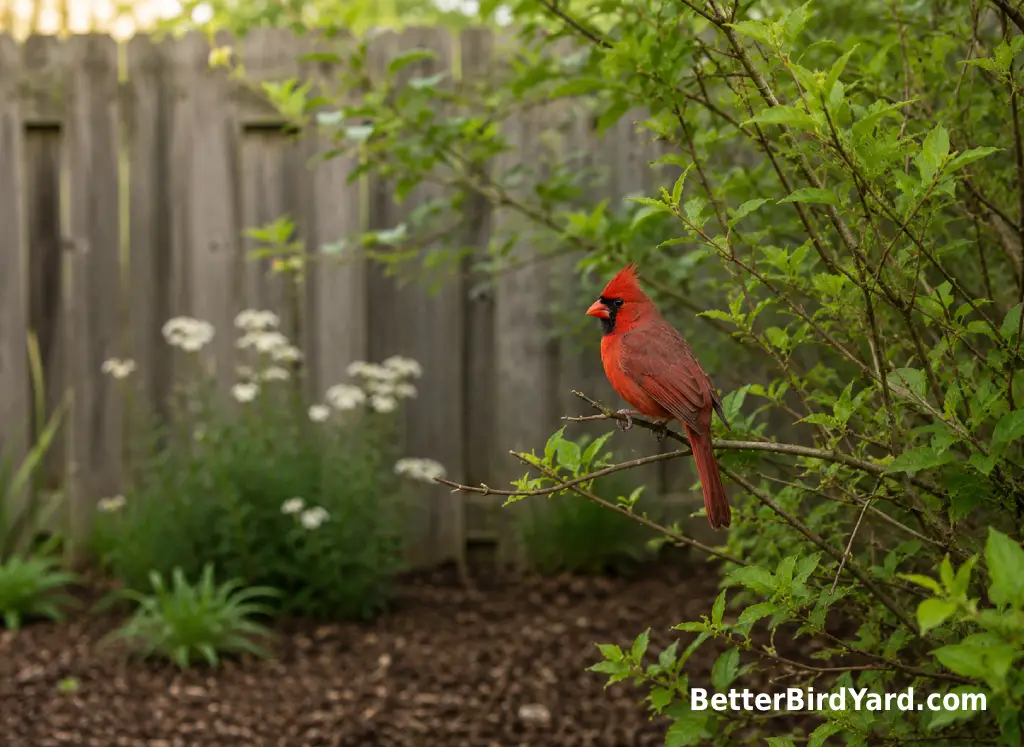
Northern Cardinals are not cavity-nesting birds like bluebirds, chickadees, or wrens. They build open cup nests in shrubs, vines, tangles, and low tree branches. Cornell Lab of Ornithology notes that leaving undergrowth around a yard can make nesting more likely, and NestWatch lists Northern Cardinal nest sites as shrubs, live branches, vines, and tangles rather than enclosed boxes.
So if you came here looking for cardinal bird houses, the helpful answer is: skip the traditional box. A better cardinal setup is dense cover, safe feeding, clean water, and a quiet corner where birds can choose their own nesting spot. That works for homeowners with a full yard, and it can still be adapted for renters with patios, balconies, or small garden beds.
Do Cardinals Use Bird Houses?
Cardinals generally do not use enclosed bird houses. They are open-cup nesters, which means they build a small bowl-shaped nest in vegetation instead of raising young inside a wooden box.
This is why a standard cardinal nesting box is usually a mismatch. Bluebirds need a cavity. Wrens often use cavities. Chickadees may use a small nest box. Cardinals look for leafy cover, twiggy support, and enough screening to feel hidden.
A common beginner mistake is buying a cute red cardinal bird house and placing it in the open, then wondering why the cardinals keep visiting the feeder but never inspect the house. The birds are not being picky about the color or design. They are simply using a different nesting strategy.
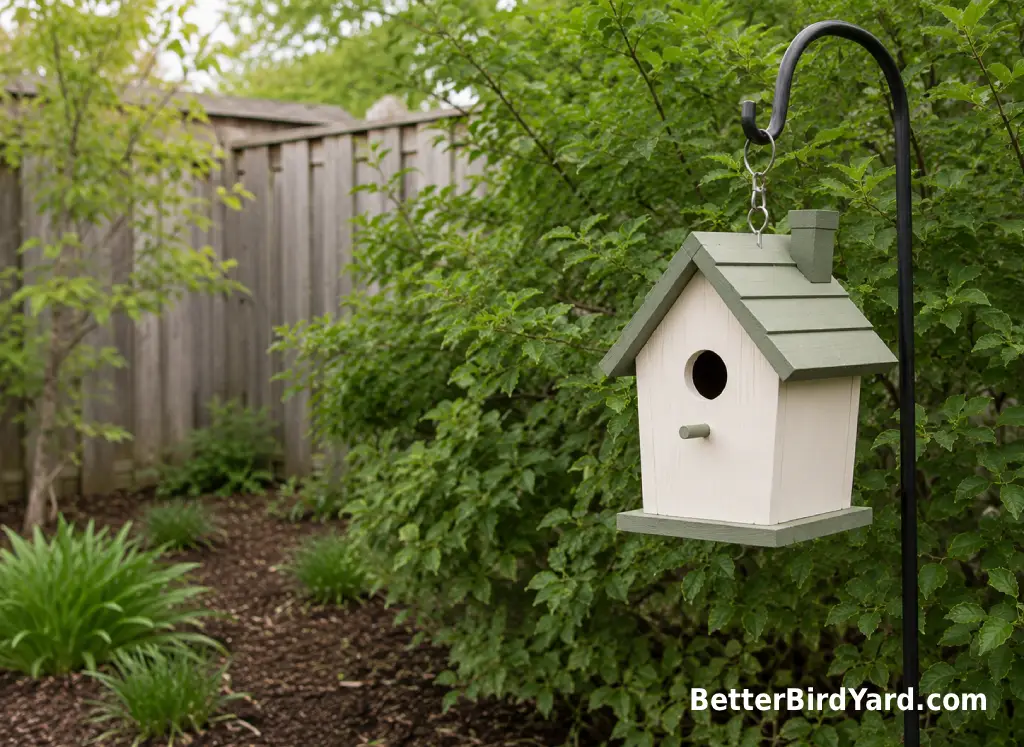
If you already own a decorative cardinal house, you can still use it as garden decor. Just do not depend on it as the main way to help cardinals nest. Your time and money will usually go further if you add shrub cover, protect existing brushy edges, and keep your feeder area clean.
Why A Cardinal Nesting Box Is Usually The Wrong Project
The phrase bird houses for cardinals causes confusion because it sounds practical, but it borrows from the wrong group of birds. Nest boxes are designed mostly for cavity nesters. Cardinals are better described as shrub nesters.
NestWatch identifies Northern Cardinal nest type as a cup nest, with typical nest placement from low vegetation up to about 15 feet. Their listed substrates include live tree branches, bushes or shrubs, and vines or tangles.
That does not mean every dense shrub will get a nest. Cardinals choose sites based on cover, safety, available materials, nearby food, weather, predators, and local habitat. Even a well-planted yard may host feeding cardinals for years before a pair nests there.
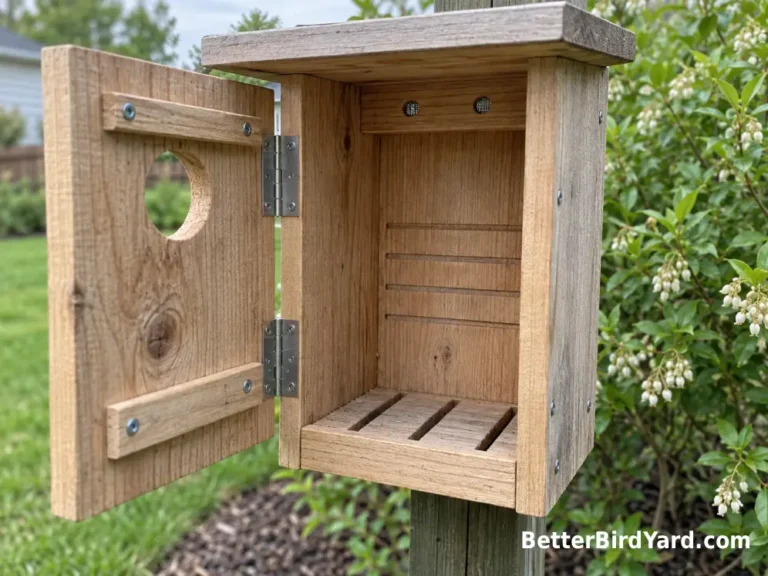
If you enjoy woodworking, build nest boxes for species that actually use them, such as bluebirds or chickadees, and place them according to species-specific guidance. For cardinals, think less like a carpenter and more like a habitat gardener: layered shrubs, quiet corners, native plants, and fewer disturbances during nesting season.
What To Provide Instead Of A Cardinal Bird House
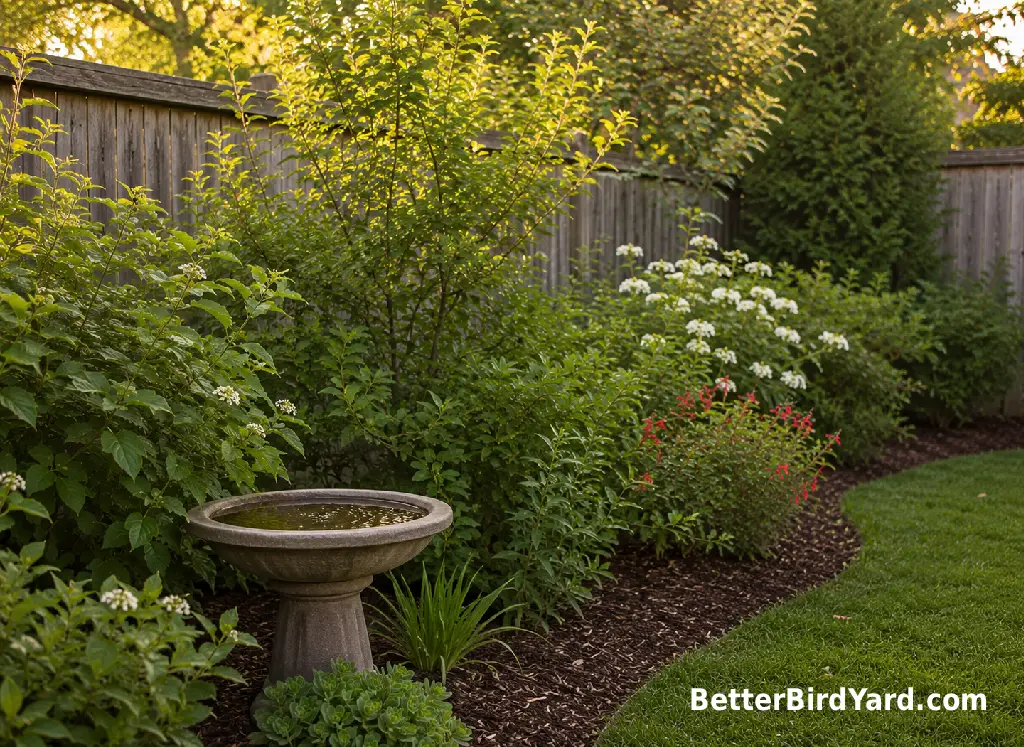
The best northern cardinal bird house is not a house at all. It is a sheltered patch of yard that gives cardinals cover, food, water, and room to behave naturally.
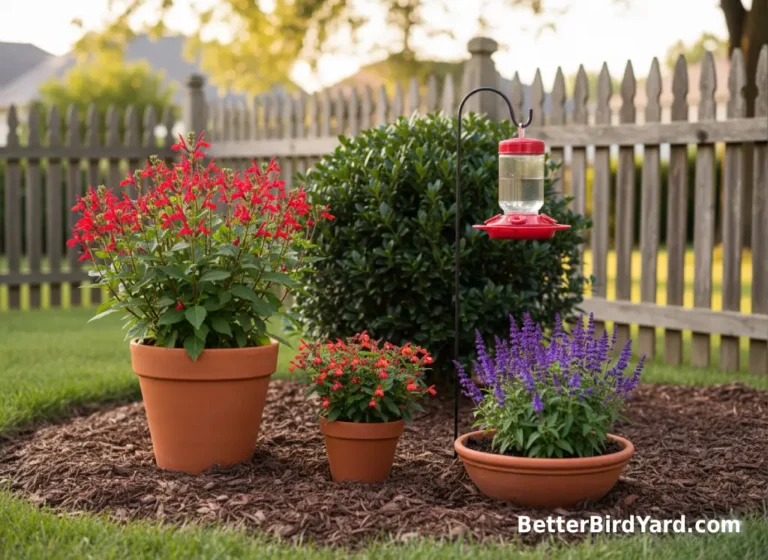
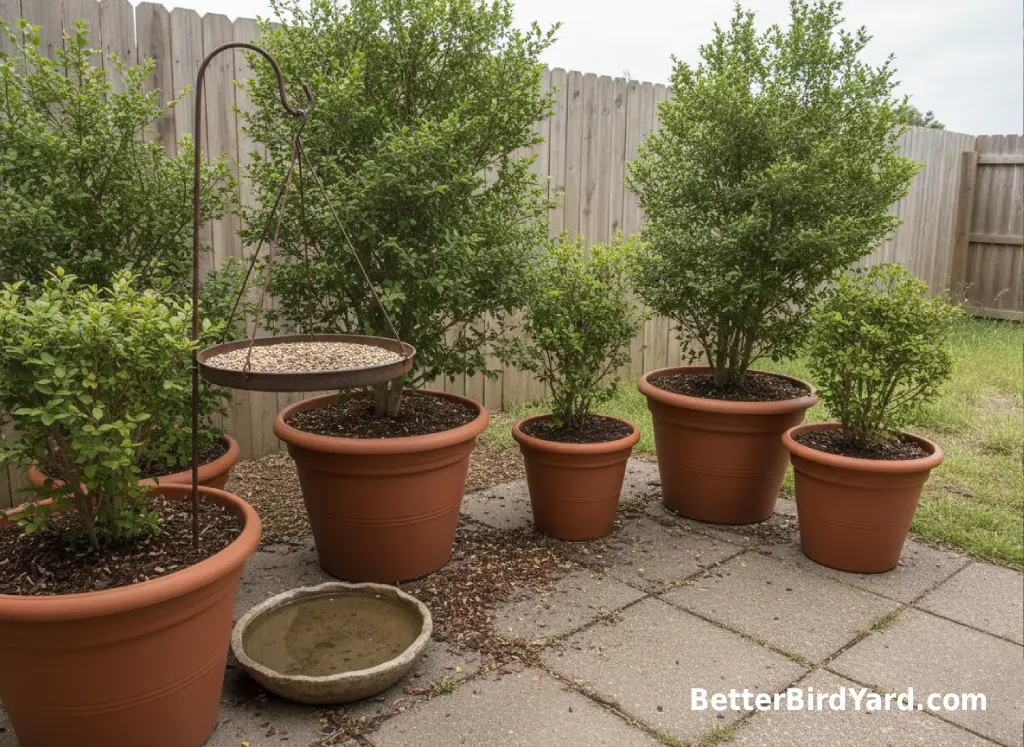
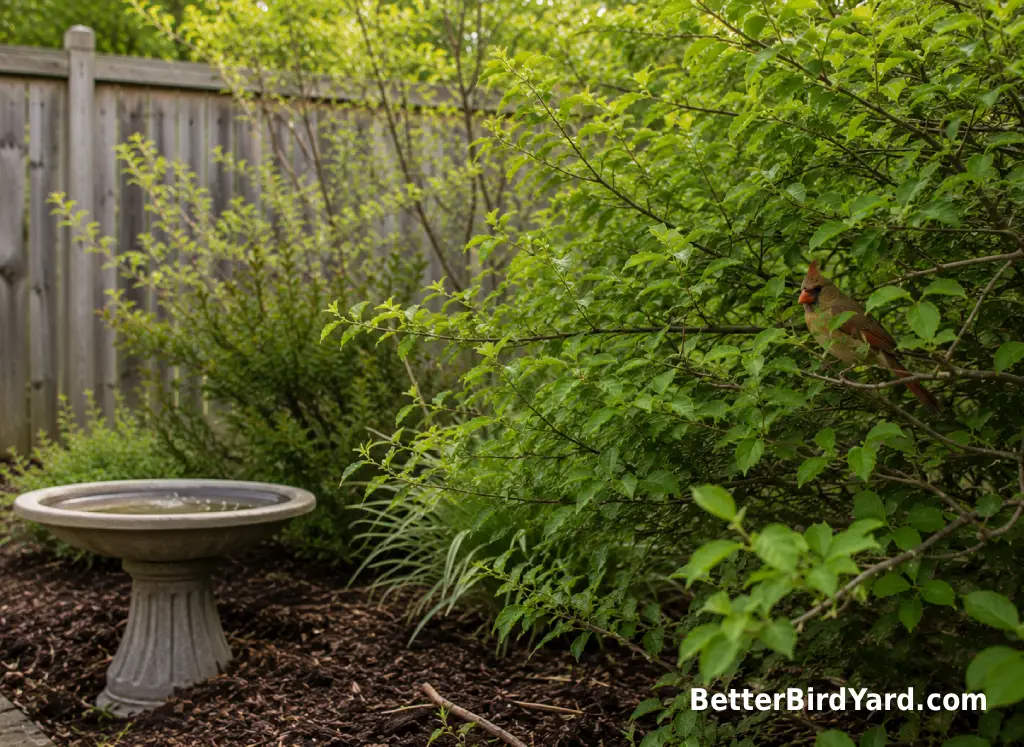
Start with one quiet corner. In a small yard, that might be the back fence line. On a patio, it might be two large containers with dense shrubs or native vines on a trellis. On a balcony, it may be limited to safe container planting and a clean feeder where rules allow.
- Keep or plant dense shrubs where cardinals can hide, perch, and inspect possible nest sites.
- Use native plants when possible, chosen for your region instead of one universal plant list.
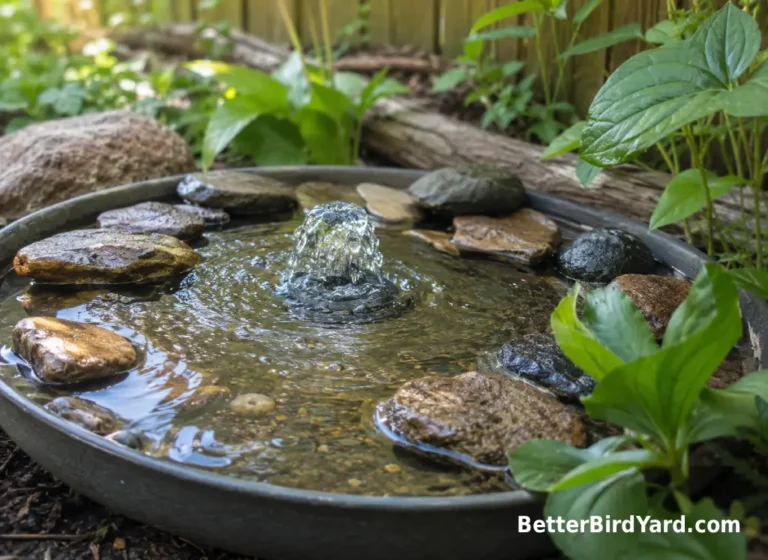
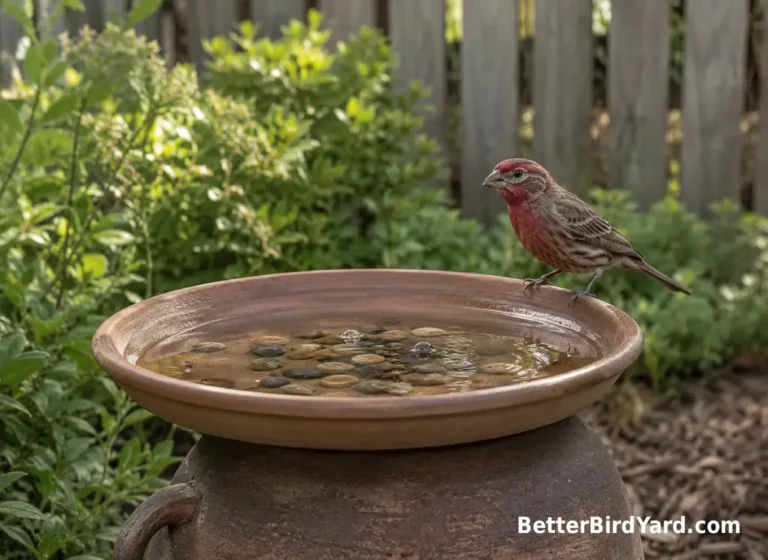
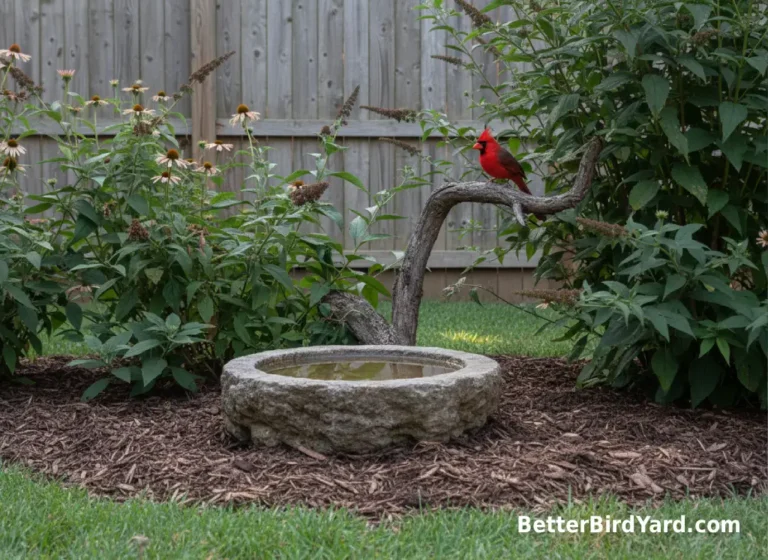
- Provide a shallow, clean bird bath with easy footing and fresh water.
- Place feeders near cover, but not so deep in shrubs that cats or other predators can ambush birds.
- Leave some natural edges, such as leaf litter or twiggy cover, where it is safe and allowed.
Audubon’s Plants for Birds program and the National Wildlife Federation both emphasize native plants as a practical way to provide food, cover, and places for wildlife to raise young. Local extension offices and native plant societies are also useful because plant choices vary widely across the US.
A simple next step is to replace one purely ornamental shrub with a regionally appropriate native shrub that offers dense cover, berries, flowers, or insect support. Small changes count, especially when they are maintained well.
Best Feeder Setup For Cardinals Near A Nesting Area
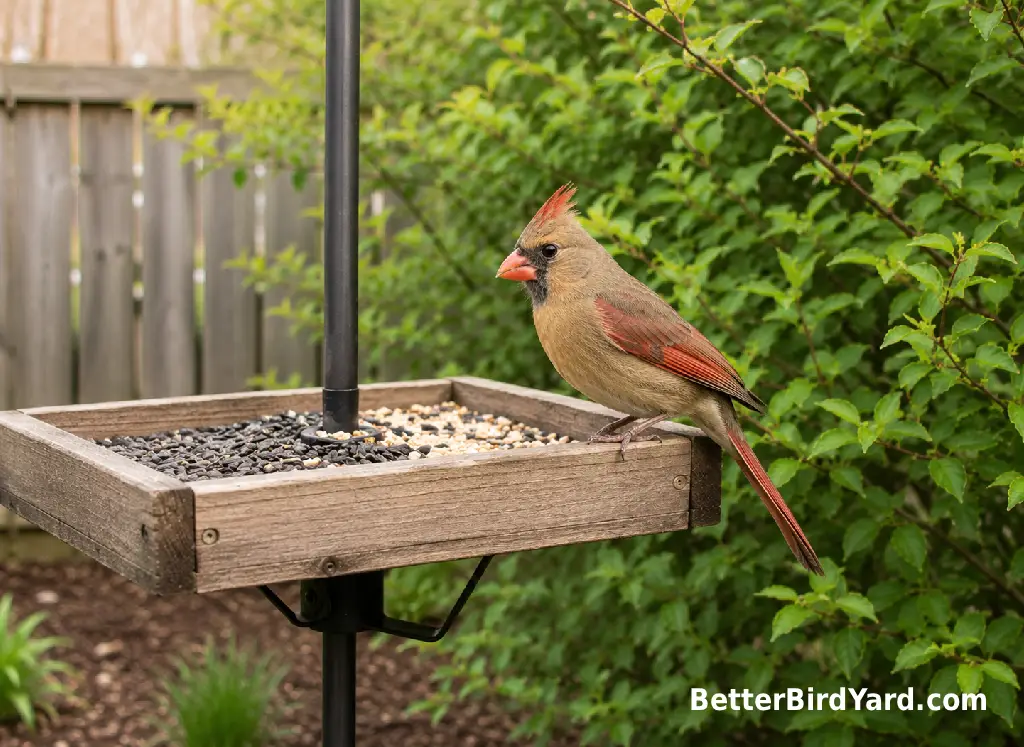
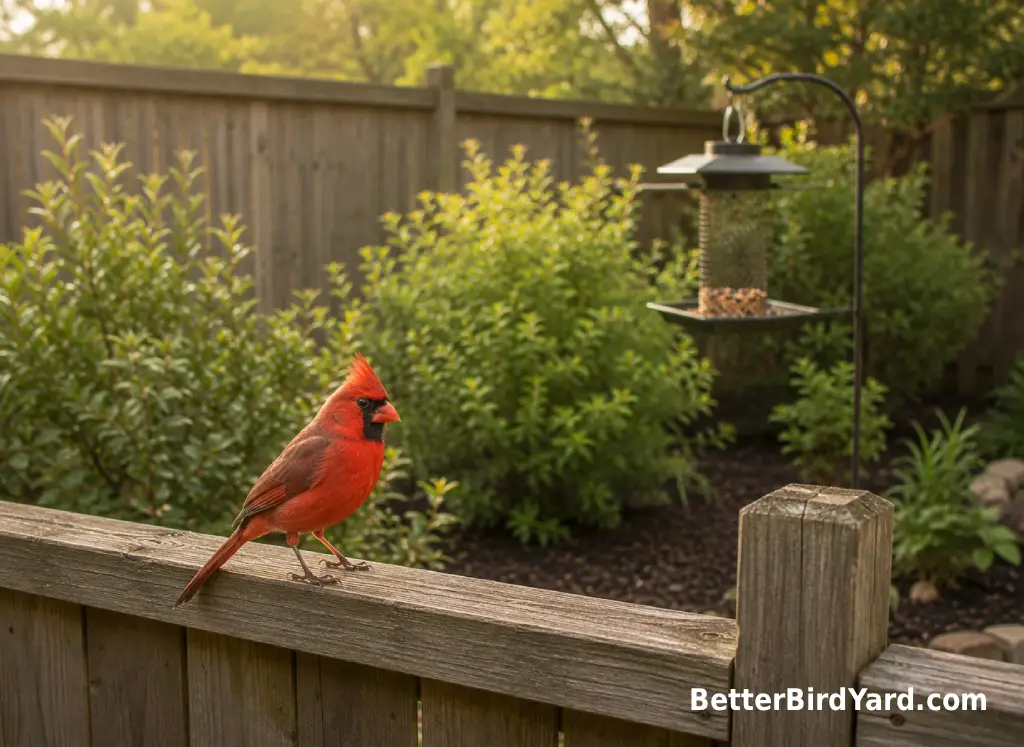
Cardinals are frequent feeder visitors where they live, especially when the setup feels open enough to watch for danger but close enough to cover for a quick retreat. Cornell Lab notes that Northern Cardinals are often attracted to feeders and particularly use sunflower seeds. Cornell’s bird seed guide also notes that cardinals and grosbeaks tend to prefer tray and hopper feeders, which are easier for their body size than narrow tube feeder perches.
For a beginner-friendly cardinal feeding station, keep it simple:
- Use black oil sunflower seed as a reliable starting seed.
- Try safflower if squirrels, grackles, or mixed-seed waste are becoming a problem.
- Choose a hopper, platform, or tray-style feeder with enough landing space.
- Clean spilled seed and hulls below the feeder before they build up.
- Keep feeders far enough from windows to reduce collision risk, or use window treatments if feeders are close.
For more feeder setup help, see our internal guide to the best bird feeders for cardinals.
Editorial note: If you only change one thing, switch from a narrow tube feeder to a sturdy hopper or platform feeder. Cardinals can use some tube feeders, especially with trays, but many seem more comfortable when they can face forward and balance easily.
How To Make A Small Yard Or Patio More Cardinal-Friendly
You do not need a large property to support cardinals responsibly. You do need realistic expectations. A balcony with one feeder is more likely to attract feeding visits than nesting. A small yard with layered shrubs has a better chance of offering nesting cover, but nesting is still never guaranteed.
For small spaces, focus on layout. Put the feeder where you can clean under it easily. Keep seed dry. Avoid placing food where it will fall into shared walkways, neighbor patios, or areas where rodents are already a concern. If you rent, check lease terms, building rules, HOA rules, or local ordinances before adding feeders, water features, or permanent plantings.
Container shrubs can help soften a bare patio. Choose large pots so plants are less likely to dry out quickly, and select regionally suitable native or non-invasive plants. A trellis with a native vine can add cover without taking much floor space, but avoid invasive vines that can spread beyond your space.
In a compact yard, one clean feeder, one shallow water source, and two or three dense plantings are often better than several feeders crowded together. Crowding can increase mess, competition, and cleaning work.
Common Mistakes With Cardinal Bird Houses And Nesting Areas
Most cardinal bird house problems come from good intentions aimed in the wrong direction. The fix is usually simple: stop trying to make cardinals use a box and start improving the surrounding habitat.
- Buying a tiny enclosed cardinal house: Cardinals are not looking for a small cavity box.
- Mounting a house in the open: Open, exposed areas are not the dense cover cardinals usually choose for nesting.
- Trimming every shrub too cleanly: Overly neat landscaping can remove the twiggy structure cardinals use for cover.
- Putting feeders too close to predator cover: Nearby shrubs are helpful, but birds also need visibility and escape routes.
- Letting seed spoil: Wet, moldy, or decomposing seed and hulls can create health risks for birds and attract rodents.
Cornell Lab recommends cleaning seed feeders about every two weeks, and more often during heavy use, wet weather, local salmonella reports, or if sick birds are seen. Project FeederWatch also advises removing visible debris, using a dilute bleach solution when cleaning, rinsing thoroughly, and letting feeders dry before refilling.
Should You Offer Nesting Material For Cardinals?
Cardinals gather their own nesting materials, so you usually do not need to provide a special nesting-material cage. In fact, some materials sold for nesting can be risky if they include long strings, synthetic fibers, dryer lint, pet hair treated with flea products, or anything that can tangle around feet or chicks.
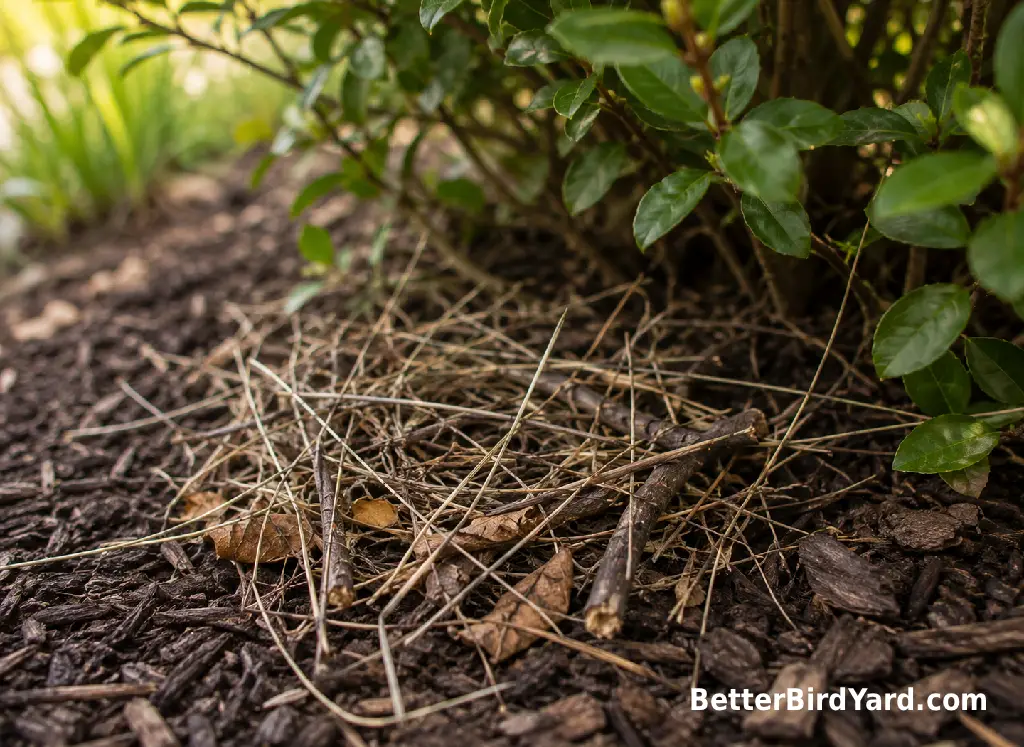
A safer approach is to keep the yard naturally useful. Small twigs, dry grasses, pine needles where regionally appropriate, and natural plant fibers may be used by many birds. Avoid pesticide-treated clippings and anything moldy, sticky, or chemically treated.
Do not place materials directly into an active nest, move a cardinal nest, or trim around a nest once you know it is active. If a nest is in a risky location, such as near a doorway, try to reduce disturbance from a distance and contact your local wildlife agency or a licensed wildlife rehabilitator if you are unsure what is appropriate. Rules and best practices can vary by situation, species, and location.
Seasonal Tips For Helping Cardinals Nest Safely
Northern Cardinals are year-round residents in much of their US range, so the same pair may be around your yard in winter, spring, summer, and fall. Cornell notes that cardinals do not migrate, and NestWatch says they may begin nest-building as early as late February in some areas.
Because timing varies by region and weather, watch behavior instead of relying on a fixed calendar. Repeated trips into the same shrub, carrying twigs or grasses, soft contact calls between a pair, and defensive behavior near a thicket may suggest nesting activity nearby. These signs do not prove there is a nest, but they are good reasons to give that area space.
Spring and summer are the seasons to be extra cautious with pruning. If possible, do major shrub trimming outside nesting season in your region. Before cutting, pause and watch the shrub for activity. If birds repeatedly enter one spot, leave it alone.
In fall and winter, focus on food, water, and cover. Cardinals are especially noticeable in winter because they keep their color and often visit feeders at dawn and dusk. A clean feeder with sunflower or safflower seed, plus nearby shrubs, can make your yard a reliable stop without pretending it will force nesting later.
What About Red Cardinal Bird House Plans?
Red cardinal bird house plans are popular because the idea is charming. A red-painted house shaped for a red bird feels like it should work. But the color of the house is not the issue. The design is.
If your goal is decoration, a red cardinal-themed bird house can be a cheerful garden accent. If your goal is nesting support, put the effort into a habitat plan instead:
- Map one quiet corner where shrubs can grow thicker.
- Add a regionally appropriate native shrub or vine.
- Keep a clean hopper or platform feeder nearby, but not directly inside dense cover.
- Provide shallow water and refresh it often.
- Delay heavy pruning when birds may be nesting.
If you still want to build something, build practical support features: a simple feeder station with a baffle, a safe bird bath stand, or a trellis for native vines. For a true nest box project, choose a cavity-nesting species and follow dimensions from NestWatch or your state wildlife agency.

FAQ About Cardinal Bird Houses
Can I Buy A Bird House For Cardinals?
You can buy a decorative bird house with cardinals on it, but Northern Cardinals usually will not use an enclosed bird house for nesting. They normally choose shrubs, vines, tangles, and low branches.
Is There Such A Thing As A Northern Cardinal Bird House?
Not in the same practical sense as a bluebird house or wren house. Some products may be marketed as cardinal bird houses, but cardinals are open-cup nesters, so habitat is more useful than a box.
Where Do Cardinals Nest In Backyards?
They may nest in dense shrubs, small trees, vines, or tangled vegetation if the site feels safe and suitable. NestWatch lists shrub, live branch, and vine or tangle substrates for Northern Cardinals.
What Feeder Is Best For Cardinals?
A sturdy hopper, platform, or tray feeder is often easier for cardinals than a narrow tube feeder. Black oil sunflower and safflower are two practical seed choices. Keep the feeder clean and remove spilled seed before it spoils.
Will Cardinals Nest In My Yard If I Feed Them?
Maybe, but feeding does not guarantee nesting. Cardinals also need cover, safe surroundings, low disturbance, and suitable vegetation. A yard can be excellent for feeding visits even if cardinals choose to nest somewhere else.
Conclusion: Build Habitat, Not A Cardinal House
A cardinal bird house is one of those backyard ideas that sounds helpful but usually misses what the bird actually needs. Northern Cardinals are not looking for a little wooden house. They are looking for cover, quiet, food, water, and safe places to choose on their own.
The better plan is practical and more natural: keep or plant dense shrubs, use regionally appropriate native plants, offer sunflower or safflower seed in a cardinal-friendly feeder, provide clean water, and avoid disturbing likely nesting areas. For small yards and patios, start with one clean feeder and one or two dense container plants instead of trying to do everything at once.
For your next project, skip the red cardinal bird house plans and build a better corner of habitat. It may not guarantee a nest, but it gives cardinals what they are actually built to use—and it makes your yard safer and more useful for many other backyard birds, too.