What Do Baby Birds Eat? A Safe Backyard Guide
If you have found a young wild bird, do not immediately offer food or water. The safest answer to what to feed young birds is usually nothing unless a licensed wildlife rehabilitator gives you species-specific instructions.
Baby birds do not share one universal diet. Their needs vary by species, age, condition, and stage of development. Even a food that seems sensible—such as seeds, worms, pet food, milk, bread, or sugar water—may be unsuitable for the bird in front of you. Improper hand-feeding can also send food or liquid into a bird’s airway.
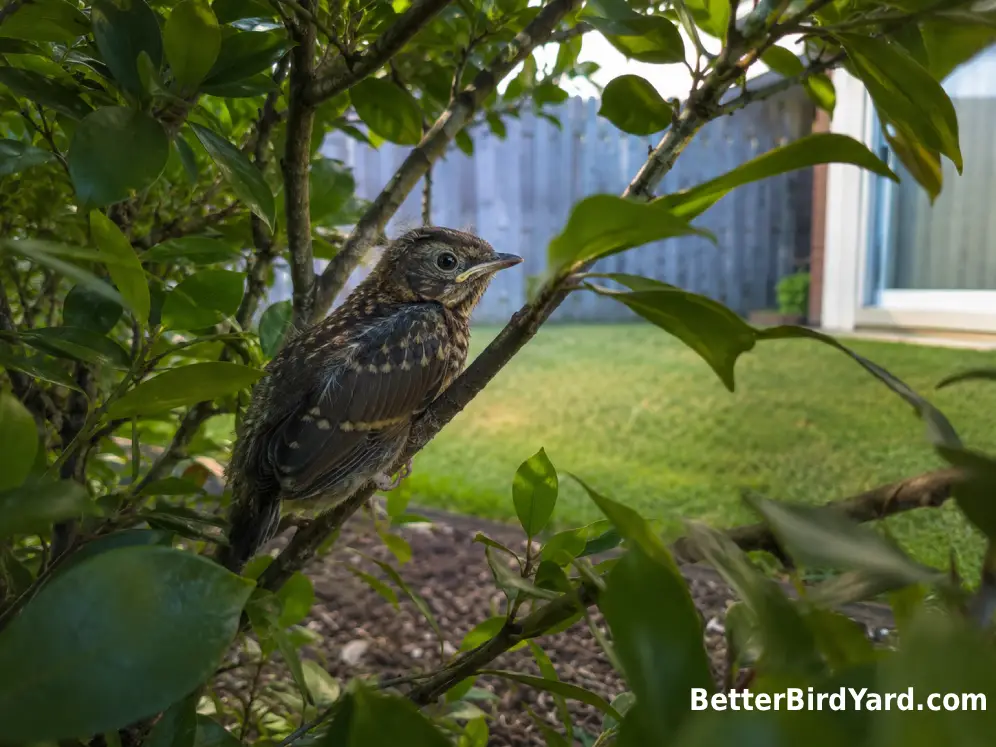
Most feathered young birds found hopping on the ground are fledglings, not abandoned newborns. Their parents are normally nearby and continue feeding them after they leave the nest. A mostly bare nestling may need to be returned to its nest, while an injured or genuinely orphaned bird needs a licensed wildlife rehabilitator.
The Quick Answer: Do Not Feed a Found Baby Bird
When people ask what to feed a baby bird at home, they are often trying to prevent starvation. That instinct is understandable, but feeding is rarely the best first step. The immediate question is not which food to use. It is whether the bird actually needs human help.
Do not give a found wild bird bread, milk, seed, chopped worms, pet food, fruit, hummingbird nectar, or homemade mixtures. Do not drip or squirt water into its mouth. Young birds can inhale food or liquid, and the wrong diet can cause additional harm. State wildlife guidance specifically warns against giving baby birds anything to drink because liquid can enter the respiratory system.
A rehabilitator may eventually use a specialized diet, feeding tool, schedule, and technique after identifying the bird and evaluating its condition. That is very different from choosing a household food and placing it into an open beak.
What Do Baby Birds Eat in the Wild?
What baby birds eat depends on what kind of bird they are. Parents may bring insects, spiders, fruit, seeds, fish, or other natural foods according to the species. Food size and texture also change as chicks grow.
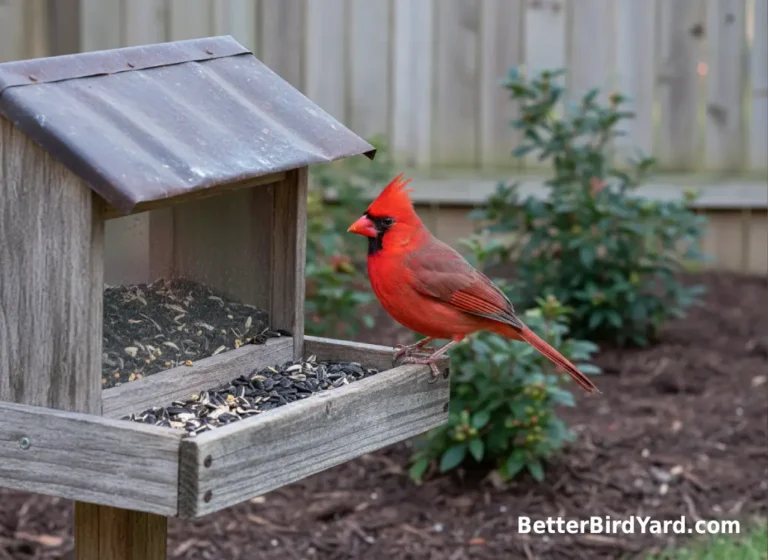
Many backyard songbirds feed their nestlings large amounts of insect food, including species whose adults regularly visit seed feeders. Northern Cardinals, for example, eat plenty of seeds and fruit as adults but feed their nestlings mostly insects. Recent Cornell NestWatch research also found that insects and other arthropods made up nearly all recorded prey delivered to Eastern Bluebird nestlings in the study.
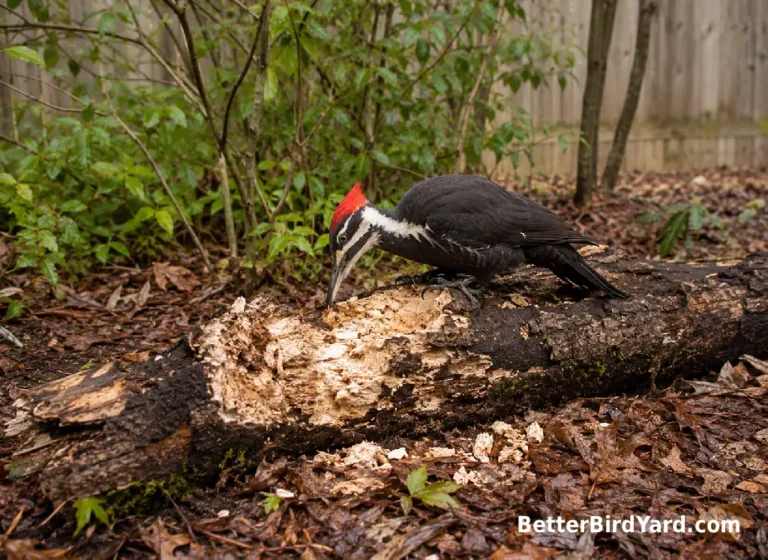
This is why there is no reliable household answer to what baby birds can eat. A robin, dove, woodpecker, hummingbird, duckling, and young hawk do not have interchangeable diets. Parents also provide more than calories: they choose appropriately sized food, respond to begging behavior, protect the young, and gradually teach fledglings how to forage.
For an untrained person, the safest contribution is usually to reunite the youngster with its parents or connect it with qualified help—not to copy what an adult bird appears to be carrying.
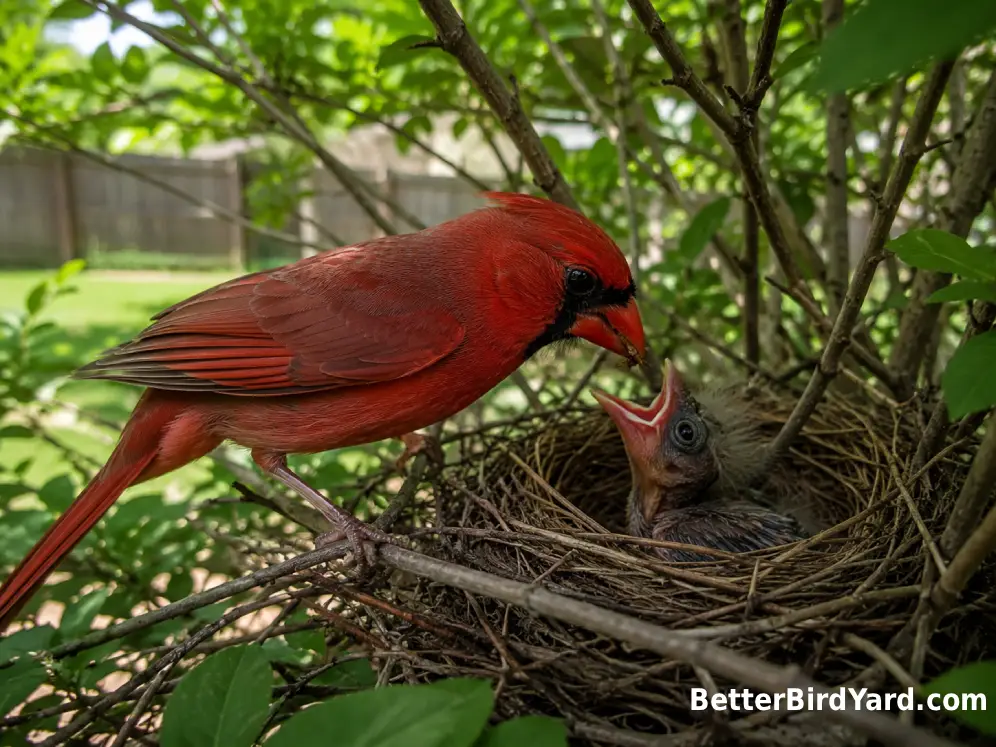
Is It a Nestling or a Fledgling?
The amount of feathering and the bird’s movement provide the most useful first clues.
| Clue | Nestling | Fledgling |
|---|---|---|
| Feathers | Bare, sparsely feathered, or covered mainly in down | Mostly or fully feathered, often with a short tail |
| Movement | Cannot hop, perch, or move normally on its own | Can hop, grip, flutter, or make short awkward flights |
| Normal Location | Usually belongs in a nest | Often spends time on the ground or in low vegetation |
| Best Response | Return it to the nearby nest when this can be done safely | Leave it with its parents unless it is injured or in immediate danger |
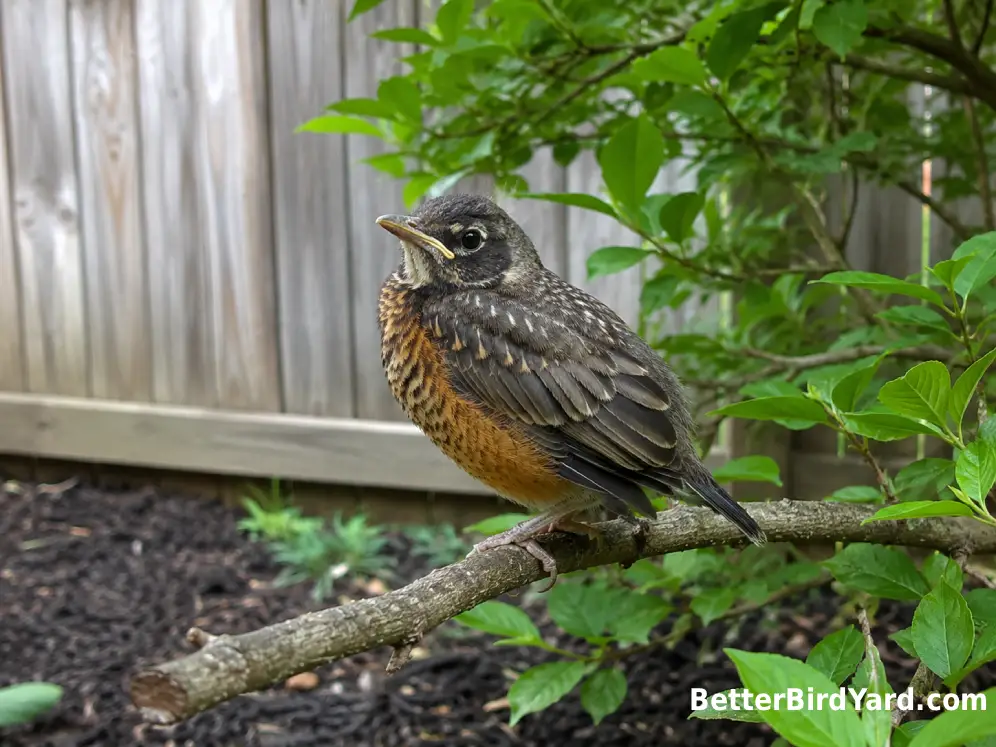
Most young birds that people encounter are fledglings. They may look clumsy, sit still for long periods, call repeatedly, or appear unable to fly well. Those behaviors alone do not mean the bird has been abandoned. Its parents may be feeding several scattered youngsters and may wait for people to leave before approaching.
What to Do When a Young Bird Is on the Ground
Keep the response simple and focused on reunification.
- Pause and look for visible danger, including traffic, pets, lawn equipment, intense sun, or an obvious injury.
- Decide whether the bird is a nestling or fledgling before moving it.
- Return an uninjured nestling to its original nest when the nest is nearby and safely reachable.
- Leave a healthy fledgling where it is, or move it only a short distance into nearby cover if it faces immediate danger.
- Take children and pets indoors, then observe quietly from a window or another distant location.
Give the parents room to return. Standing over the bird, repeatedly checking it, or gathering a group around it can delay normal parental care. If a returned nestling remains unattended after roughly an hour of distant observation, or you are unsure whether the situation is safe, call a licensed wildlife rehabilitator for case-specific guidance.
A common mistake we see is moving a fledgling across the yard to a place that looks more comfortable to a person. Keep any safety move short. The parents are searching and calling near the youngster’s original location.
When a Young Bird Needs Professional Help
Contact a licensed wildlife rehabilitator promptly when a young bird is bleeding, has an obvious broken limb, cannot stand or hop normally, is shivering, appears cold and unresponsive, is surrounded by flies, or has been caught by a cat or dog. A bird also needs guidance from a professional when both parents are known to be dead or a dependent nestling cannot be reunited with them. These signs do not identify a particular condition; they simply indicate that backyard observation is no longer enough.
Call before transporting the bird. Many state wildlife agencies maintain lists of licensed rehabilitators, and the U.S. Fish and Wildlife Service provides a bird-rehabilitator map. Availability and permits differ by species and location, so the nearest facility may not be able to accept every bird.
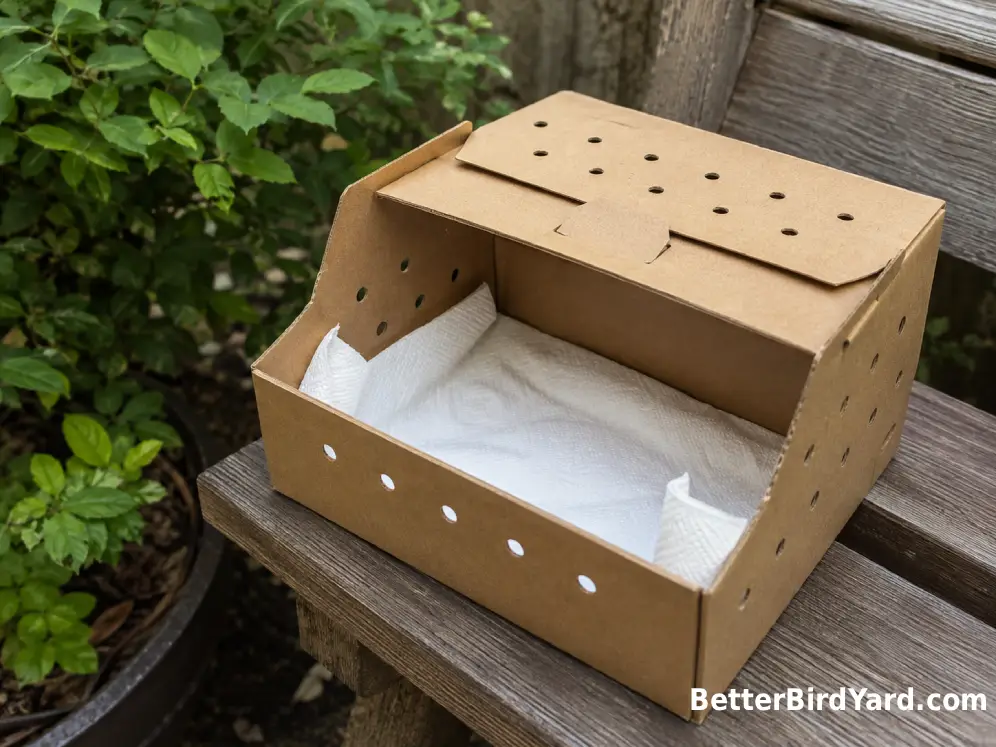
If a rehabilitator instructs you to contain the bird, follow that person’s directions. Temporary containment commonly involves a secure, ventilated box kept somewhere dark, quiet, and protected from pets. Do not add food or water unless the rehabilitator specifically tells you to do so. Avoid repeated handling, photography, and attempts to inspect the mouth or wings.
How to Help Young Birds Without Hand-Feeding
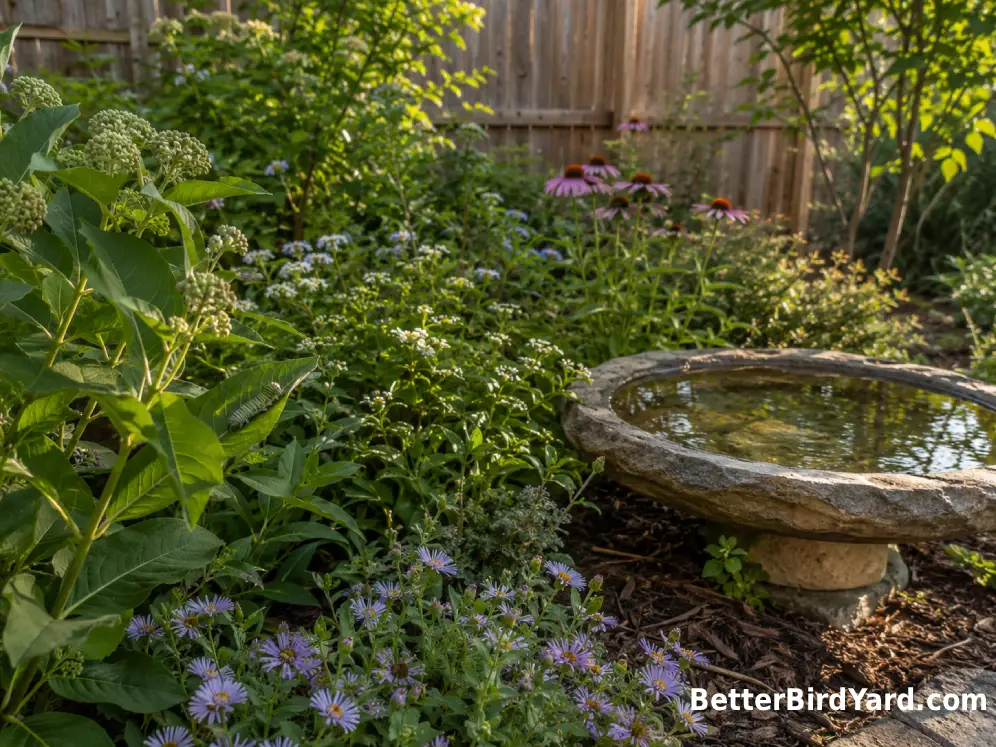
The most useful food support happens before a chick ever lands at your feet. Native trees, shrubs, grasses, and flowers can support the insects and other natural foods parent birds collect for their young. This works in a full yard, a narrow side garden, or even a patio with several locally appropriate native plants. U.S. Fish and Wildlife Service guidance recommends native planting and reducing pesticide use to support insects and the birds that depend on them.
- Keep cats indoors and keep dogs away from nests and fledglings.
- Avoid spraying broad-spectrum pesticides around nesting and foraging areas.
- Leave dense shrubs or protected ground cover where fledglings can hide.
- Minimize pruning, construction, and repeated visits near an active nest.
- Keep any bird bath shallow, clean, and positioned where birds can watch for danger.
Feeders can support some adult birds, but they are not required for a nearby nest to succeed. Parents often rely heavily on natural foods when raising young. When you do maintain feeders, keep them clean and remove wet or spoiled food; our bird feeder cleaning guide covers a practical routine. For longer-term habitat, use plants suited to your region rather than assuming one national plant list fits every yard.
Editorial note: If you only change one thing, make the immediate nesting area quieter. Distance, cover, and freedom from pets usually help more than putting out a new food.
Common Baby Bird Feeding Mistakes to Avoid
Good intentions can create problems when action comes before identification. Avoid these common responses:
- Assuming every bird on the ground has fallen from its nest.
- Taking a feathered fledgling indoors because it cannot yet fly well.
- Feeding bread, milk, seed, worms, pet food, fruit, or homemade formula.
- Dripping water into an open beak or leaving a deep water container beside the bird.
- Standing nearby and concluding the parents are absent when they do not approach.
- Trying to keep or raise a wild bird instead of contacting a licensed rehabilitator.
Another mistake is repeatedly returning a fledgling to a nest. Fledglings have reached the stage when leaving is normal, and they rarely remain in the nest after being put back. Protect the immediate area, move the bird only when necessary for safety, and let the parents continue their work.
Do not assume that quiet means abandoned. Young birds may freeze when they sense danger, while adults may call or carry food from places you cannot see. Distant observation is more informative than hovering over the youngster.
The Safest Way to Respond
When deciding what to feed young birds, start by removing feeding from the decision. Identify whether the bird is a nestling or fledgling, look for visible injuries and immediate hazards, and give the parents a chance to return.
A healthy fledgling generally belongs outside with its family. An uninjured nestling belongs back in its nest when that can be done safely. A bird that is injured, has had contact with a cat or dog, has lost its parents, or cannot be reunited needs a licensed wildlife rehabilitator—not an improvised home diet.
Keeping pets inside, observing from a distance, protecting natural cover, reducing pesticide use, and maintaining a calm nesting area are practical ways to support young birds without interfering with the care they are already receiving. In many cases, doing less is the most responsible help you can provide.