What Do Birds Eat? A Practical Backyard Guide To Safe Bird Food
Birds eat much more than birdseed. In a typical U.S. backyard, different birds may eat seeds, insects, fruit, nectar, nuts, suet, small invertebrates, buds, or berries depending on the species, season, weather, and what your yard provides naturally. A feeder is only a supplement; the best backyard bird food plan combines clean feeders, fresh water, native plants, and safe food choices.
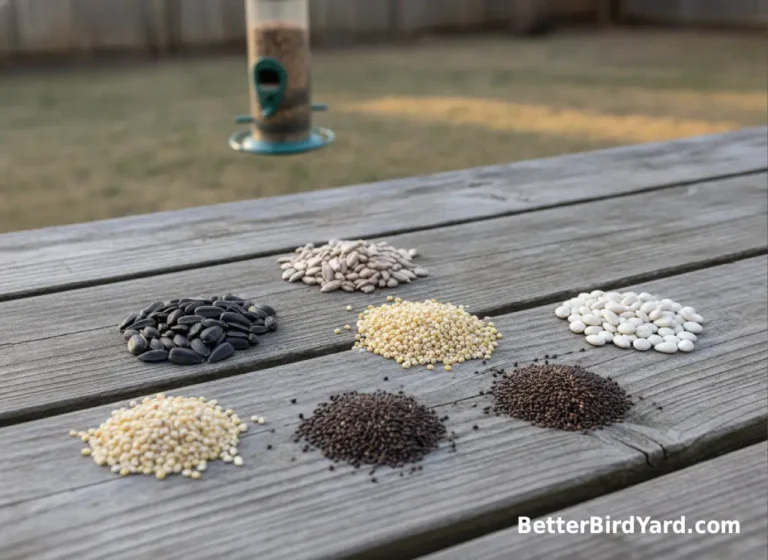
For beginners, the easiest answer is this: most seed-eating feeder birds do well with black oil sunflower seed, hulled sunflower, white millet, safflower, Nyjer in the right feeder, unsalted peanuts, mealworms, suet in cool weather, fruit for fruit-eating birds, and plain sugar-water nectar for hummingbirds. Cornell Lab’s Project FeederWatch lists common feeder foods such as black-oil sunflower, fruit, mealworms, millet, Nyjer, peanuts, safflower, suet, and sugar water, while Nebraska Extension notes that backyard birds vary widely: some eat seeds, some fruit, some insects, and some flower nectar.
The trick is not offering everything. It is offering a few good foods cleanly, watching what birds actually eat, and removing anything wet, moldy, spoiled, salty, dyed, or heavily processed.
The Quick Answer: What Birds Eat In Nature And At Feeders
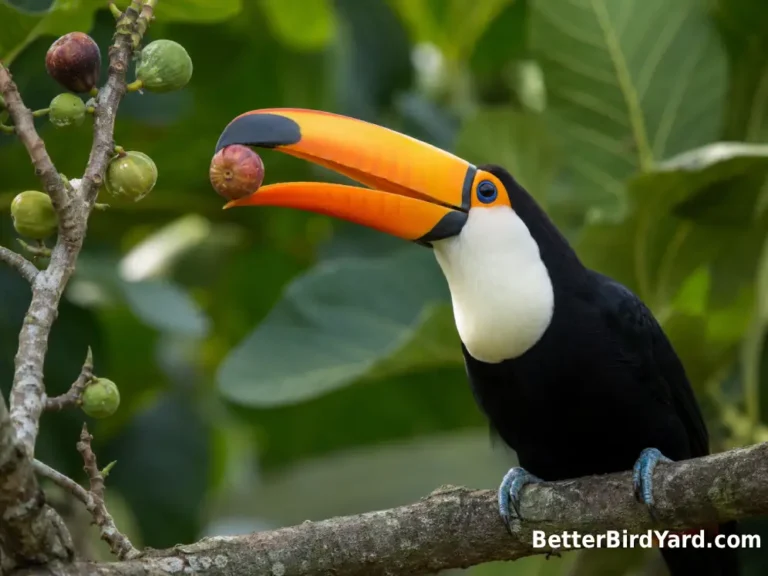
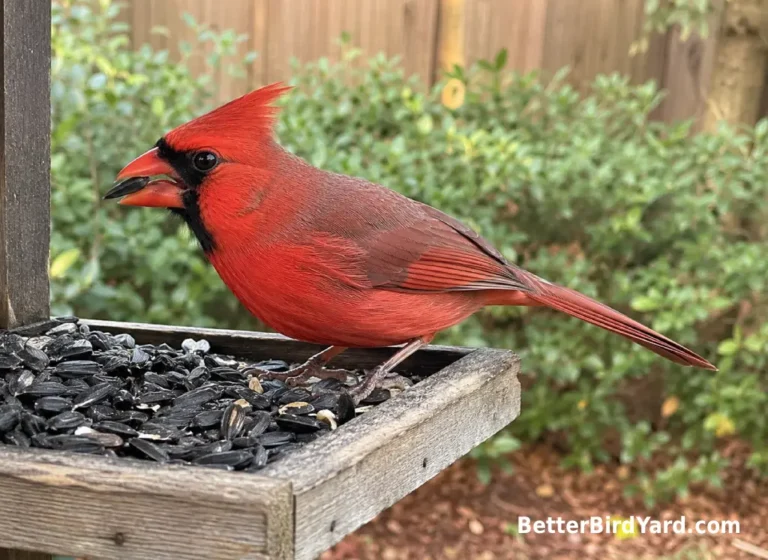
Birds eat according to their bodies, not according to our pantry. A cardinal with a heavy seed-cracking bill is built for different foods than a hummingbird with a long nectar-feeding bill. A robin may ignore a tube feeder full of seed but investigate soft fruit, berries, worms, or insects. A woodpecker may come for suet or peanuts, then spend the rest of the day searching bark for insects.
In the wild, backyard birds commonly feed from several broad food groups:
- Seeds and grains from grasses, wildflowers, weeds, and trees.
- Insects, spiders, larvae, and other small invertebrates, especially important for many nesting songbirds.
- Fruit and berries from shrubs, vines, and trees.
- Nectar from flowers for hummingbirds and some orioles.
- Nuts and mast such as acorns or beechnuts, especially for jays, woodpeckers, and nuthatches.
- Animal protein or fat from insects, suet-like natural fats, and small prey, depending on the bird.
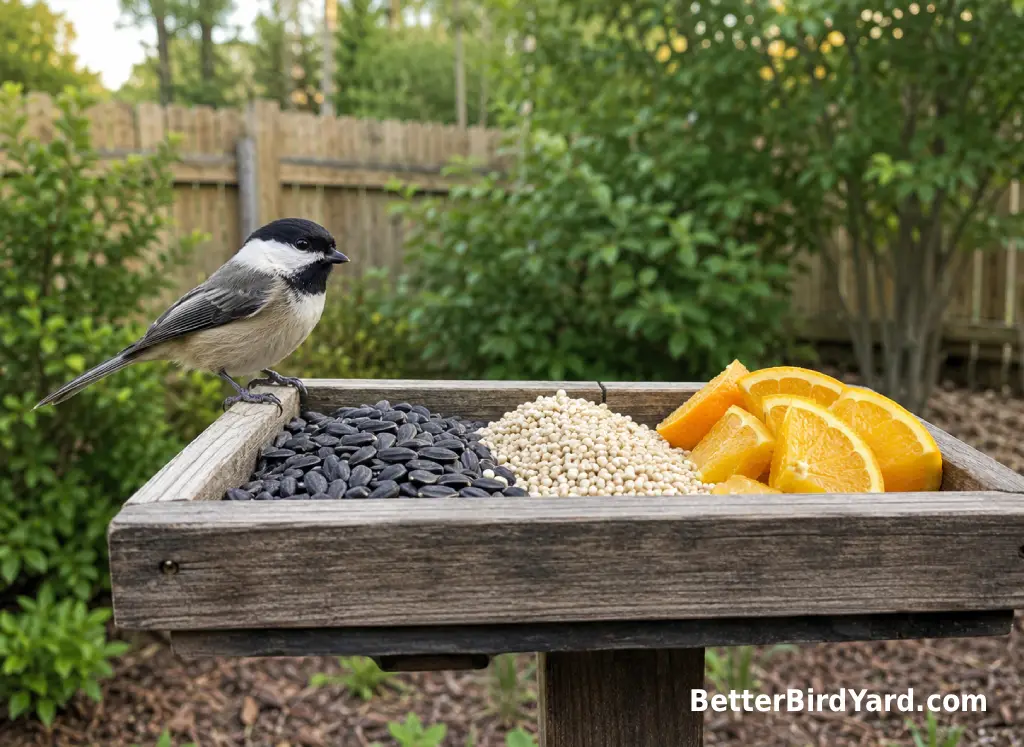
At feeders, we are trying to mimic small pieces of that diet safely. Sunflower seed, millet, peanuts, suet, fruit, mealworms, and nectar can all be useful when they are fresh and offered in the right way. Cornell Lab says sunflower attracts the widest variety of seed-eating birds, and it warns that some filler-heavy mixes can create waste when birds sort through them.
Best Everyday Foods For Backyard Birds
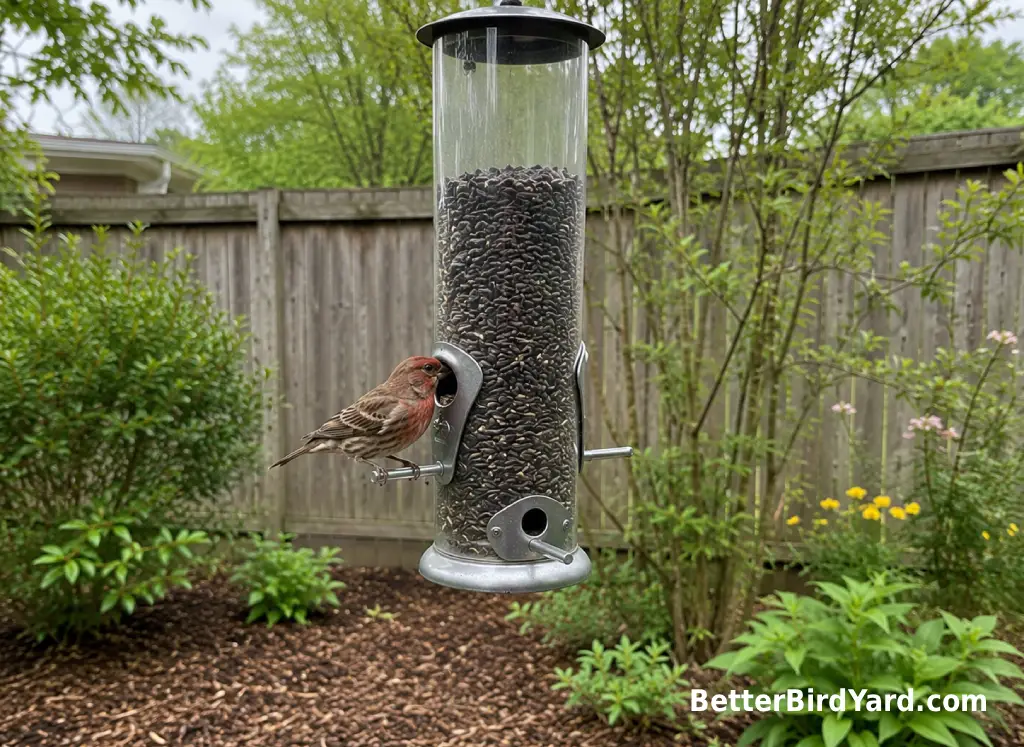
For most backyards, start simple. A reliable seed feeder with black oil sunflower or hulled sunflower will serve more birds than a complicated feeding station full of foods that spoil before they are eaten. Add one specialty food only when you know which birds you are trying to support.
Here are the feeder foods that make the most sense for many U.S. yards:
- Black oil sunflower seed: A strong all-purpose choice for many seed-eating birds. Cornell Lab notes that black oil sunflower has thin shells and high-fat kernels, which make it useful for many feeder birds.
- Hulled sunflower: Less mess because the shells are removed, but it spoils faster when wet. Use smaller amounts and keep it dry.
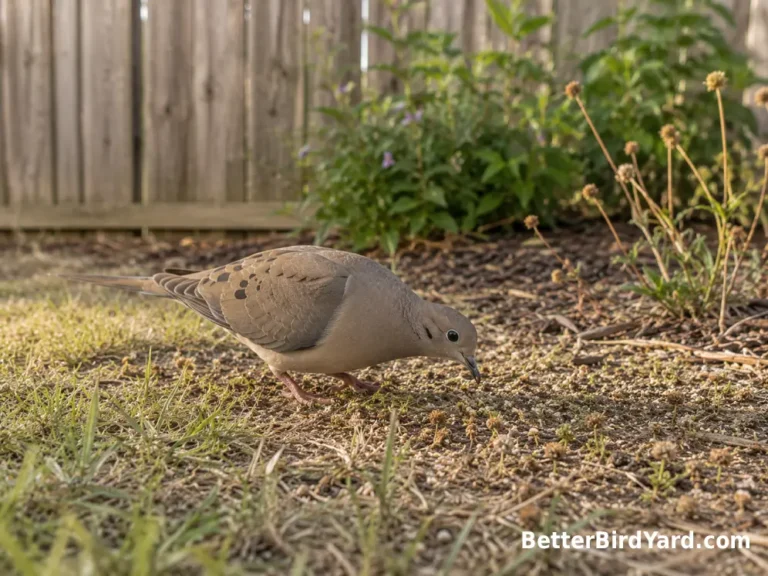
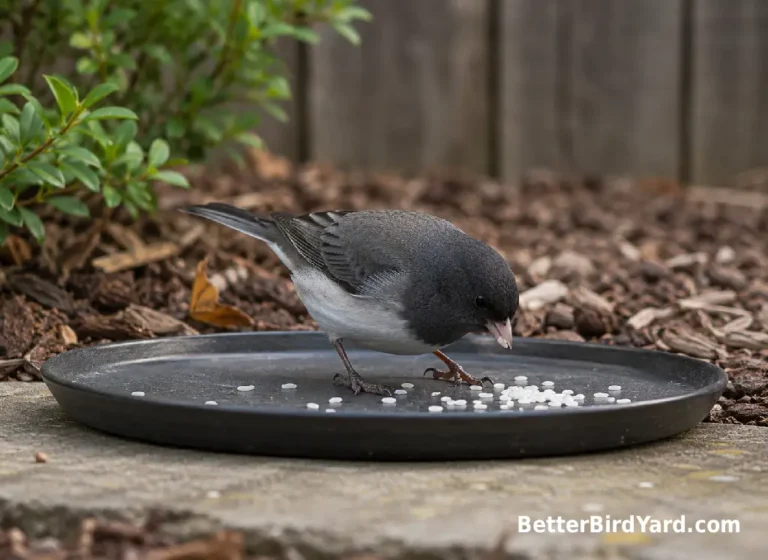
- White millet: Useful for ground-feeding birds such as sparrows, doves, and juncos when offered sparingly on a platform or clean ground area.
- Nyjer: Best in a fine-mesh or special Nyjer feeder for goldfinches, siskins, and similar small finches.
- Safflower: Often used for cardinals and some sparrows, though results vary by yard and region.
- Unsalted peanuts or peanut pieces: Good for jays, nuthatches, titmice, chickadees, and woodpeckers when fresh, dry, and offered in a suitable feeder.
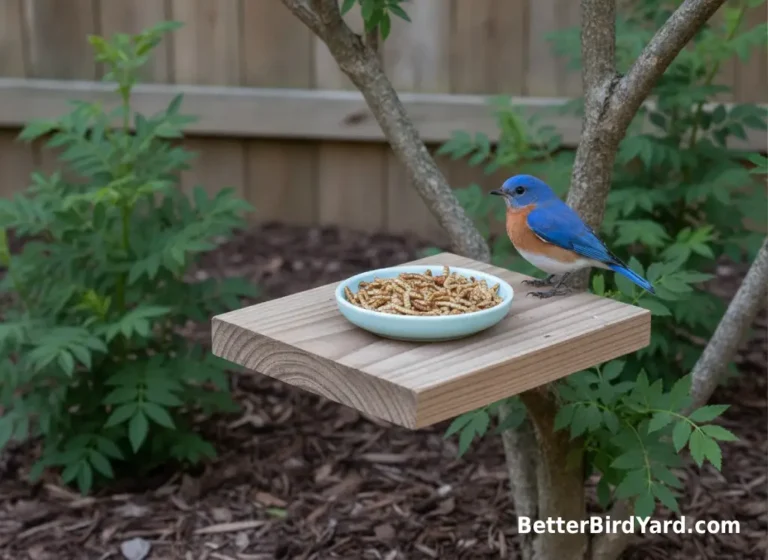
- Mealworms: Useful for insect-eating birds such as bluebirds, wrens, chickadees, and some woodpeckers, especially when offered in a small dish rather than scattered everywhere.
- Suet: A high-calorie food especially helpful in cool weather for woodpeckers, nuthatches, chickadees, and similar birds; Mass Audubon cautions that suet can turn rancid in heat.
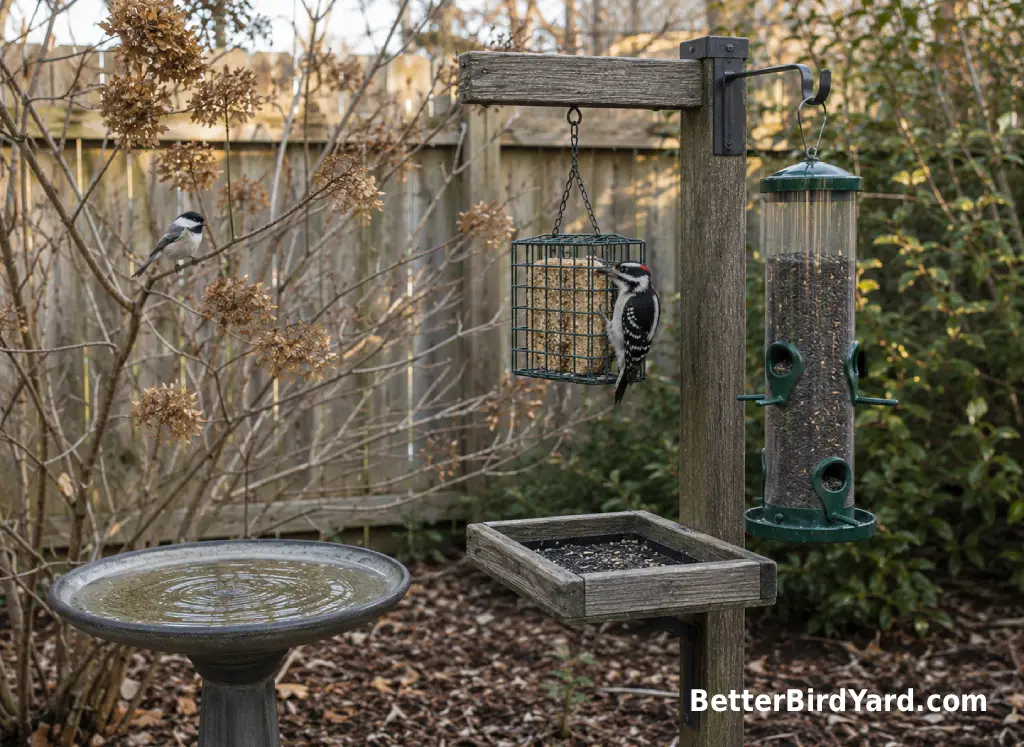
A good beginner setup might be one tube feeder with sunflower, one suet cage in cool weather, and a shallow bird bath. That is enough to learn who visits your yard without creating a cleaning burden.
What Human Food Can Birds Eat?
Some human foods are safe as occasional backyard bird foods, but most kitchen scraps are not a good idea. Think of human food as a small side offering, not a replacement for seed, insects, native plants, suet, or nectar.
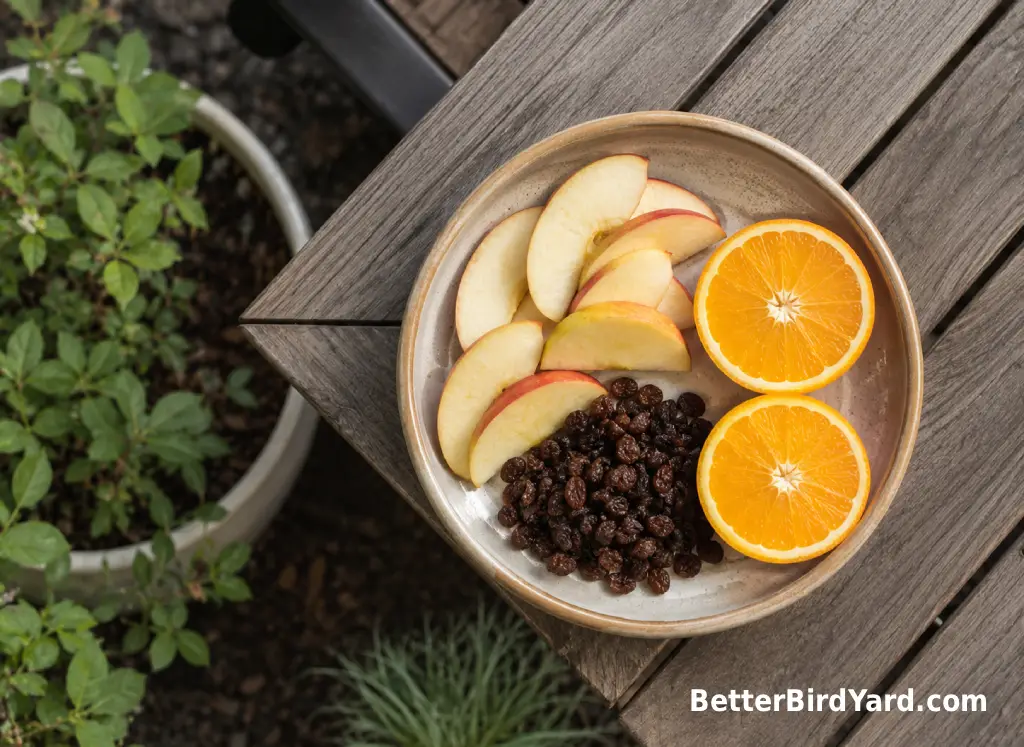
Better choices include small portions of fresh fruit, plain unsalted peanuts, soaked raisins without preservatives, and plain cooked grains only in modest amounts if they are unsalted and unseasoned. Fruit specialists such as robins, waxwings, bluebirds, mockingbirds, orioles, and catbirds are more likely to show interest in fruit than in seed. Project FeederWatch specifically notes that oranges, grapes, raisins without preservatives, and other fruits can attract fruit-eating birds, but moldy fruit should be discarded because some molds produce toxins harmful to birds.
Keep kitchen offerings plain. No salt, butter, sauces, sugar coatings, chocolate, dairy, garlic, onion, spices, or greasy leftovers. A bird does not need a tiny piece of flavored cracker, bacon, pizza crust, or sweet cereal. Those foods may attract birds, but attraction is not the same as support.
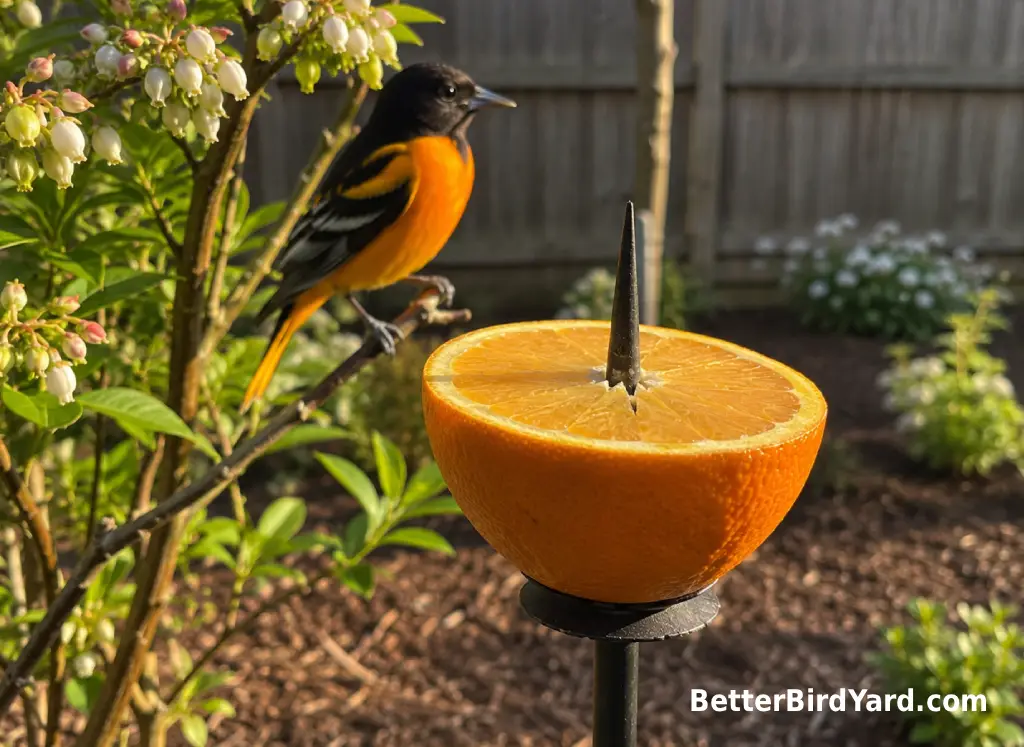
For a small backyard or balcony, use a tiny dish and remove leftovers the same day. This avoids ants, wasps, rodents, raccoons, and spoiled food. A common mistake we see is putting out a large pile of fruit because one oriole appeared. A better approach is one orange half or a few small fruit pieces, then adjust only if the birds are eating it quickly.
What Fruits Can Birds Eat?
Birds can eat several common fruits when they are fresh, clean, and offered in small amounts. The best backyard fruit choices are simple: orange halves, apple slices, grapes cut open, berries, banana pieces, and soaked raisins or currants. Audubon recommends soaked raisins and currants for fruit-eating birds and halved oranges for orioles and tanagers; Project FeederWatch also lists oranges, grapes, raisins without preservatives, and other fruits as attractive to many fruit-eating birds.
Fruit is most useful when it is treated as fresh food, not feeder filler. Put it on a clean platform, a fruit spike, or a shallow dish. Offer only what birds can finish before it dries out, ferments, attracts insects, or grows mold. In warm weather, that may mean removing fruit within a few hours.
| Fruit | How To Offer It | Good Backyard Caution |
|---|---|---|
| Orange | Halve it and place it on a fruit spike or shallow dish. | Remove when dried, dirty, or attracting too many insects. |
| Apple | Offer slices or chunks in small amounts. | Remove seeds and discard soft, moldy, or fermented pieces. |
| Grapes | Cut open or halve for easier feeding. | Use plain grapes only, not sugary fruit salad. |
| Berries | Offer a few fresh or thawed berries in a dish. | Remove leftovers quickly in hot weather. |
| Raisins | Soak in water first to soften. | Use unsweetened, preservative-free raisins when possible. |
Fruit also belongs in the landscape. Native berrying shrubs and trees can feed birds with less mess than a fruit dish, and they often support insects too. National Wildlife Federation describes native plants as a foundation of wildlife food webs because they provide berries, nuts, nectar, leaves, and insect support.
What Birds Should Not Eat
Knowing what birds can not eat is just as important as knowing what to offer. Wild birds may peck at unsafe food out of curiosity or hunger, so the responsibility is on us to keep poor choices off the feeder.
| Do Not Offer | Why It Is A Problem | Better Choice |
|---|---|---|
| Bread, crackers, chips, and pastries | Low food value, often salty or processed, and attractive to rodents. | Sunflower seed, millet, or fresh fruit in small amounts. |
| Moldy seed, moldy fruit, or spoiled suet | Mold and spoiled food can harm birds and increase disease risk. | Fresh food in smaller portions. |
| Salty foods | Birds do not need added salt from human snacks. | Unsalted peanuts or plain seed. |
| Chocolate, avocado, dairy, dry beans, and heavily processed foods | These are inappropriate or potentially toxic for birds. | Bird-specific foods from a clean feeder. |
| Honey or red dye in hummingbird nectar | Honey can encourage bacterial and fungal growth when diluted, and red dye is unnecessary. | Plain white sugar and water nectar. |
American Bird Conservancy warns against bread and processed people foods, moldy old birdseed, pet food, honey, chocolate, dry beans, dairy products, avocados, dyes, additives, and preservatives. Cornell Lab also advises using table sugar rather than honey for hummingbird food because diluted honey can support bacteria and fungus, and it says red coloring is unnecessary.
Also avoid feeding in a way that creates a problem even with safe food. Seed piles on the ground can attract rodents. Wet seed can mold. Fruit can ferment. Suet can soften or turn rancid in hot weather. If food is not being eaten quickly, reduce the amount rather than waiting for birds to “find it.”
How To Offer Food Without Creating A Mess Or Disease Risk
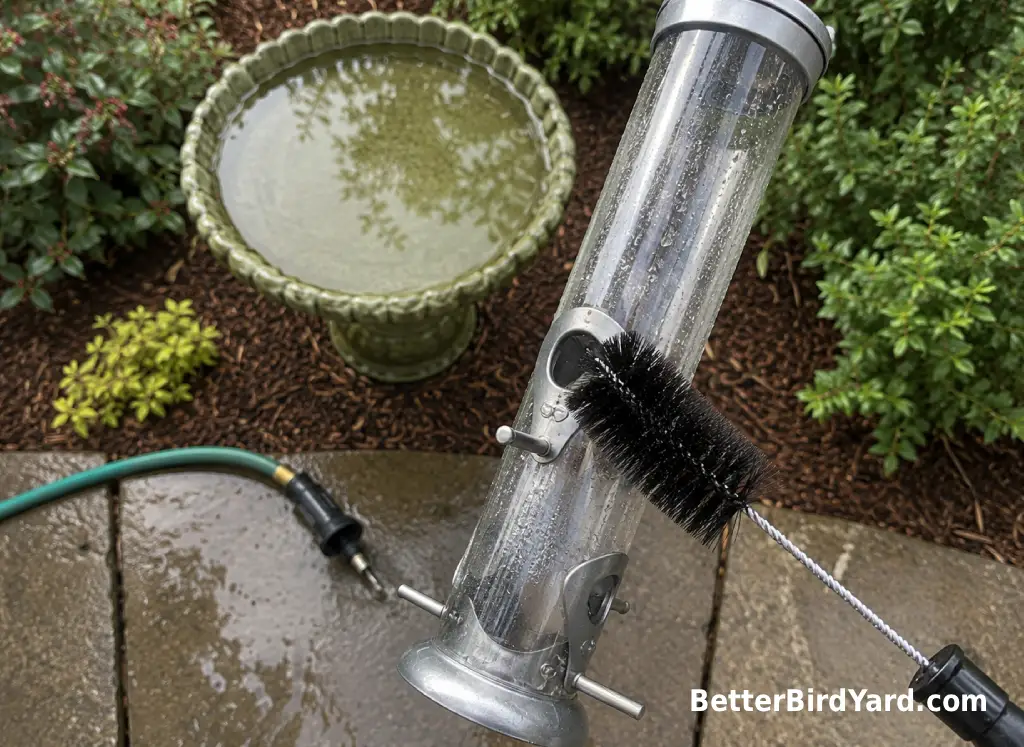
Good food can become unsafe when the feeder is dirty. Birds gather closely at feeders, and that can make it easier for germs to spread. The practical fix is simple: clean often, keep food dry, and take feeders down temporarily if you see signs of sick birds.
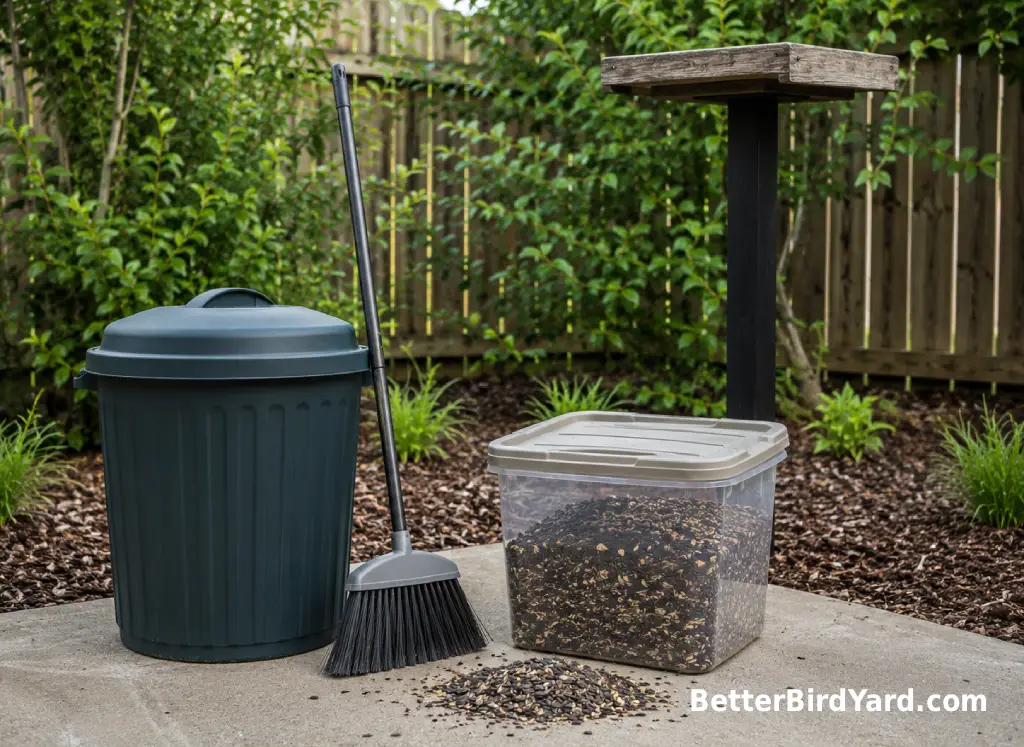
Audubon cites Project FeederWatch guidance to clean seed feeders about every two weeks, more often if disease is suspected, and to remove wet, moldy, or spoiled hulls and seed below feeders. U.S. Fish & Wildlife Service gives similar advice: clean feeders regularly, sweep up old moldy seed, and remove feeders if birds look sickly.
A simple routine works better than a complicated one:
- Refill with smaller amounts so seed does not sit for weeks.
- Shake out old seed before adding fresh seed.
- Scrub feeders when they look dirty, sticky, or crusted.
- Clean more often during wet, hot, or high-traffic periods.
- Rake or sweep seed hulls and old food under feeders.
- Move feeders if waste is building up in one spot.
If you see a bird that appears weak, unusually still, crusty-eyed, fluffed for long periods, unable to fly normally, or otherwise compromised, do not try to diagnose or treat it. Project FeederWatch recommends removing the feeders that sick birds are using for a couple of weeks, cleaning feeders and the area thoroughly, and contacting a licensed wildlife rehabilitator if a bird appears to need intervention.
Hummingbird Nectar, Suet, And Other Special Foods
Special foods can be excellent when they are handled carefully. They also spoil faster than dry seed, so they need more attention.
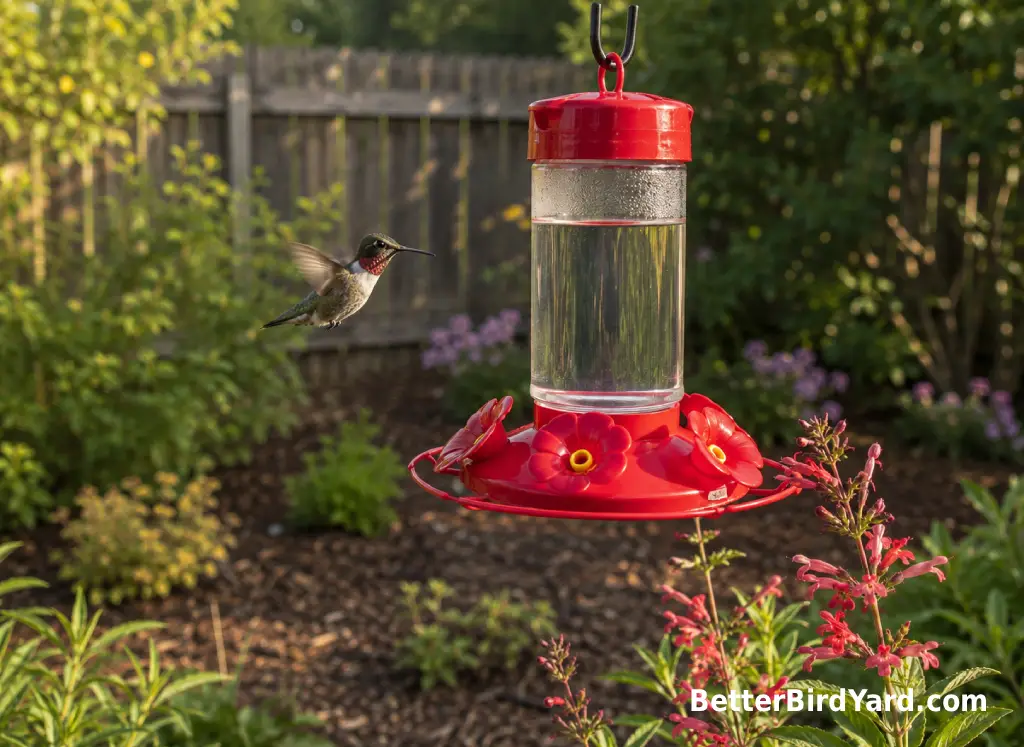
For homemade hummingbirds food, use plain white table sugar and water. Cornell Lab recommends table sugar rather than honey and notes a common mixture of 1/4 cup sugar per 1 cup water; it also says red food coloring is unnecessary. Audubon gives the same 1:4 sugar-water guidance and says not to add red coloring.
Do not use honey, brown sugar, powdered sugar, syrup, sports drinks, fruit juice, or red dye. Nectar feeders should be kept very clean and changed more often in hot weather or whenever nectar looks cloudy. If the feeder smells sour or has black specks, slime, or cloudiness, take it down and clean it before refilling.
Suet is another food that needs judgment. It is high in calories and popular with woodpeckers, chickadees, nuthatches, and similar birds, but it is best in cool weather. Audubon and Mass Audubon both caution against offering suet in hot weather because it can turn rancid, and Audubon also notes that dripping fat can affect feathers.
Mealworms are useful for some insect-eating birds, but they should be offered in a small, clean dish. Peanuts should be unsalted and fresh. Cracked corn should be used sparingly and kept dry because old, wet food can spoil. The pattern is the same for all special foods: small portions, clean presentation, and quick removal if birds are not eating it.
Food Is Only One Part Of A Bird-Friendly Yard
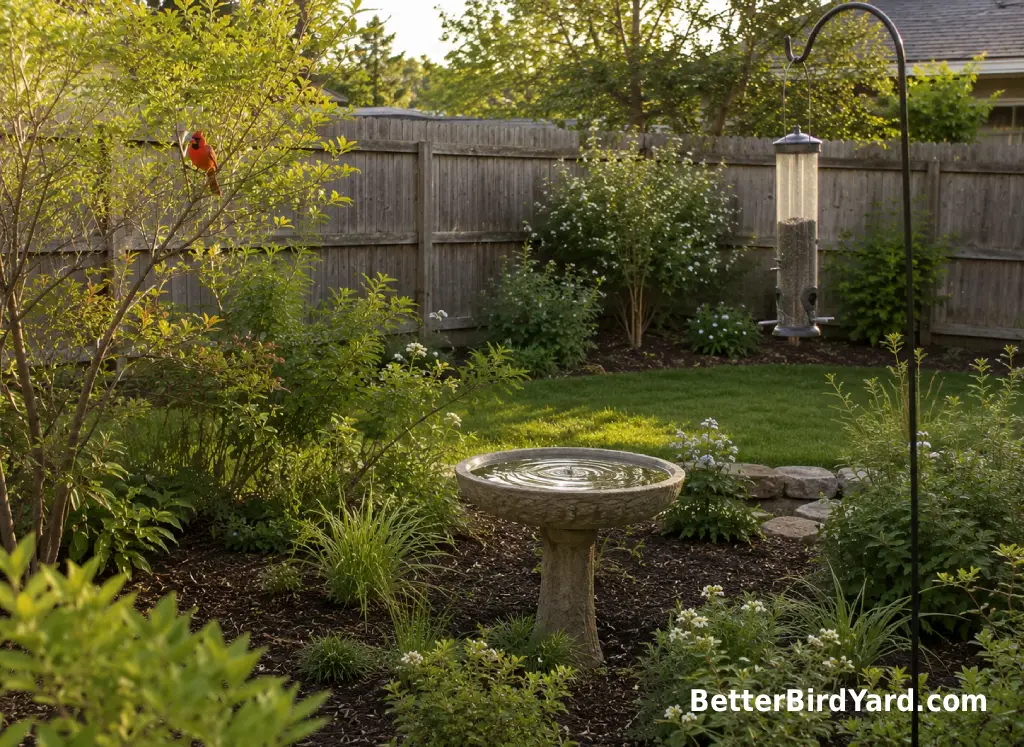
Feeders are fun because they bring birds close enough to watch. But the most reliable bird food is often the food your yard grows: seeds on native perennials, berries on shrubs, insects in leaf litter, nectar in flowers, and shelter where birds can rest between feeding trips.
National Wildlife Federation frames good wildlife habitat around food, water, cover, and places to raise young. It also emphasizes native plants because they support local food webs, including insects that many birds rely on.
In a suburban yard, that might mean planting a native serviceberry, elderberry, dogwood, viburnum, coneflower, sunflower, goldenrod, or other plants suited to your region. In a rental or patio space, it may mean two native plant containers, one clean water dish, and one well-maintained feeder. Region matters, so choose plants through your state native plant society, extension office, or local nursery that understands native plants for your area.
Also think about safety around the food. Keep feeders away from places where cats can ambush birds. Treat reflective windows if birds strike them. Avoid pesticides around feeders, bird baths, and native planting areas. Store seed in a dry, secure container so it does not invite mice, squirrels, raccoons, or other wildlife into places where they become a conflict.
This does not have to be a perfect habitat project. If you only change one thing, start by keeping food fresh and feeders clean. If you change two things, add clean water and one native plant that provides seeds, berries, nectar, or insect support.
A Simple Backyard Bird Food Plan For Beginners
If you are still wondering what food birds can eat in your own yard, start with a small plan and adjust based on what happens. Birds vary by region, season, nearby habitat, and local food availability, so a simple observation routine is more useful than a giant shopping list.
- Start with sunflower. Use black oil sunflower or hulled sunflower in a clean tube, hopper, or platform feeder.
- Add water. A shallow bird bath often helps more species than adding another seed type.
- Add one specialty food. Try suet in cool weather, Nyjer for finches, fruit for orioles or catbirds, or mealworms for bluebirds and wrens.
- Watch for waste. If birds toss a food aside, stop buying it or offer less.
- Keep it clean. Remove wet seed, old fruit, and hull buildup before it becomes a problem.
- Pause when needed. If you see sick-looking birds or local wildlife agencies advise changes during an outbreak, take feeders down and clean thoroughly.
For avian flu and other disease concerns, keep advice local and current. CDC advises bird hobbyists to keep a safe distance from wild birds, clean feeders and bird baths regularly while wearing disposable gloves, wash hands afterward, and avoid unprotected exposure to sick or dead birds. USDA APHIS maintains current HPAI wild bird detection information and notes that wild birds can carry highly pathogenic avian influenza to new areas when migrating.
That does not mean every backyard feeder must always come down. It does mean you should watch local wildlife agency guidance, be extra careful if you keep poultry, avoid handling sick or dead birds, and keep feeders clean enough that they help birds rather than concentrate risk.
The best bird feeding plan is steady, modest, and responsive. Offer good food, remove bad food quickly, and let the birds show you what your yard can support.
Conclusion: Feed Birds Simply, Safely, And Responsibly
So, what do birds eat? In nature, they eat a changing mix of seeds, insects, fruit, nectar, nuts, berries, and other foods shaped by species and season. In a backyard, the safest support comes from fresh, simple foods: sunflower seed, millet, safflower, Nyjer, unsalted peanuts, suet in cool weather, mealworms, fresh fruit in small amounts, and plain sugar-water nectar for hummingbirds.
What can birds eat from your kitchen? Usually only plain, fresh, unseasoned foods such as fruit or unsalted peanuts, and only as occasional extras. What should birds not eat? Bread, salty snacks, chocolate, avocado, dairy, honey nectar, red dye, moldy seed, spoiled fruit, rancid suet, and heavily processed leftovers should stay off the menu.
The most helpful backyard bird feeding is not complicated. Buy better food in smaller amounts. Keep it dry. Clean feeders and bird baths. Remove spoiled food quickly. Watch for waste, sick-looking birds, cats, window risks, and local wildlife advisories. Then add native plants so your yard grows more of the food birds already know how to find.
A clean feeder can bring birds close. A safer, more natural yard can support them long after the feeder is empty.