Mealworms For Birds: A Safe Backyard Feeding Guide
Mealworms for birds can be a useful, high-interest feeder food, especially if you are hoping to attract insect-eating backyard visitors such as bluebirds, chickadees, wrens, titmice, and nuthatches. They are not a magic food and they should not replace natural insects, fruit, seeds, suet, native plants, or clean water, but they can be a helpful supplemental treat when offered carefully.
The main decision is simple: dried mealworms are convenient and easy to store, while live mealworms are often more exciting to birds but require more care. Either way, the safest setup is a clean, small bird feeder for mealworms that keeps the food dry, limits waste, and does not create a crowd of aggressive birds, squirrels, or rodents.
For beginner and intermediate backyard bird watchers, the best approach is to start small. Offer a modest amount, watch who comes, remove leftovers, and keep the feeder clean. Cornell Lab’s Project FeederWatch describes mealworms as beetle larvae that provide a high-protein treat for many feeder birds, with bluebirds being one of the species most reliably associated with mealworm feeders.
The Quick Answer: Mealworms Are A Treat, Not A Whole Diet
Mealworms are best treated as a supplemental feeder food. They can be especially useful when birds are looking for protein-rich foods, but backyard feeding should still leave room for natural foraging. A yard with leaf litter, native shrubs, pesticide-free planting beds, and berry-producing plants gives birds a broader food base than any single feeder can provide.
In practical terms, mealworms are most helpful when you use them to add variety, not to keep a feeder constantly overflowing. Put out a small amount, watch how quickly it disappears, and adjust from there. If mealworms are gone in minutes because European Starlings, grackles, or squirrels found them, switch to a more selective feeder rather than simply adding more.
A good beginner rule is to think of mealworms like suet or fruit: useful, attractive, and worth offering in moderation. Project FeederWatch notes that chickadees, titmice, wrens, nuthatches, and bluebirds relish mealworms, while Cornell’s All About Birds notes that Eastern Bluebirds may visit feeders when mealworms are offered.
Live Vs. Dried Mealworms For Birds
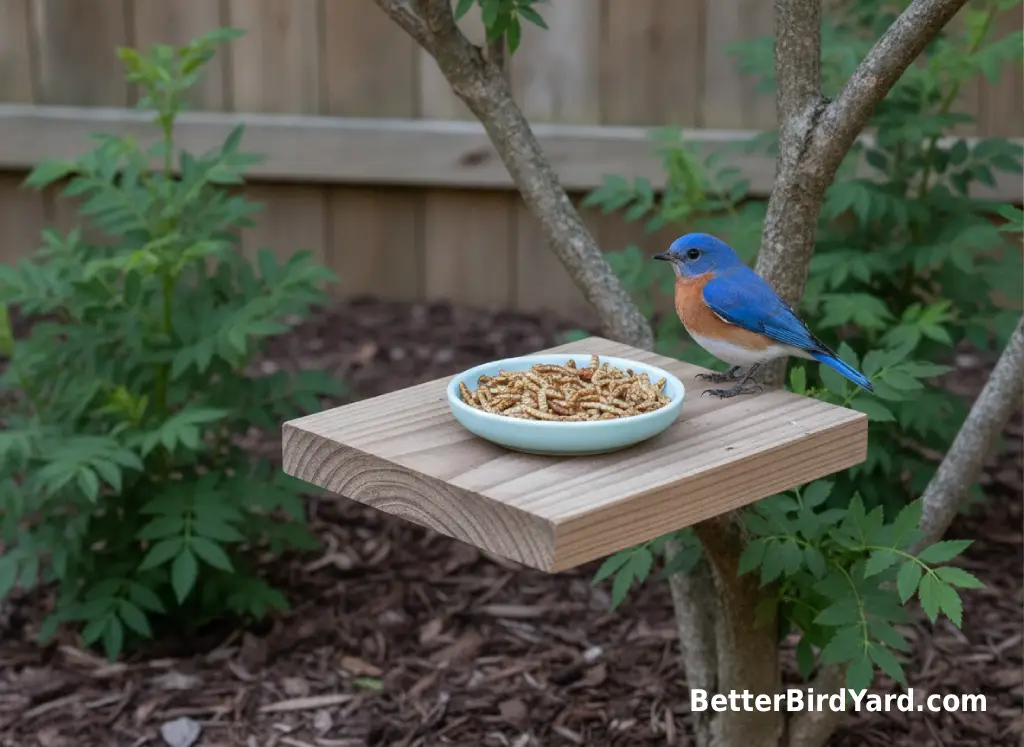
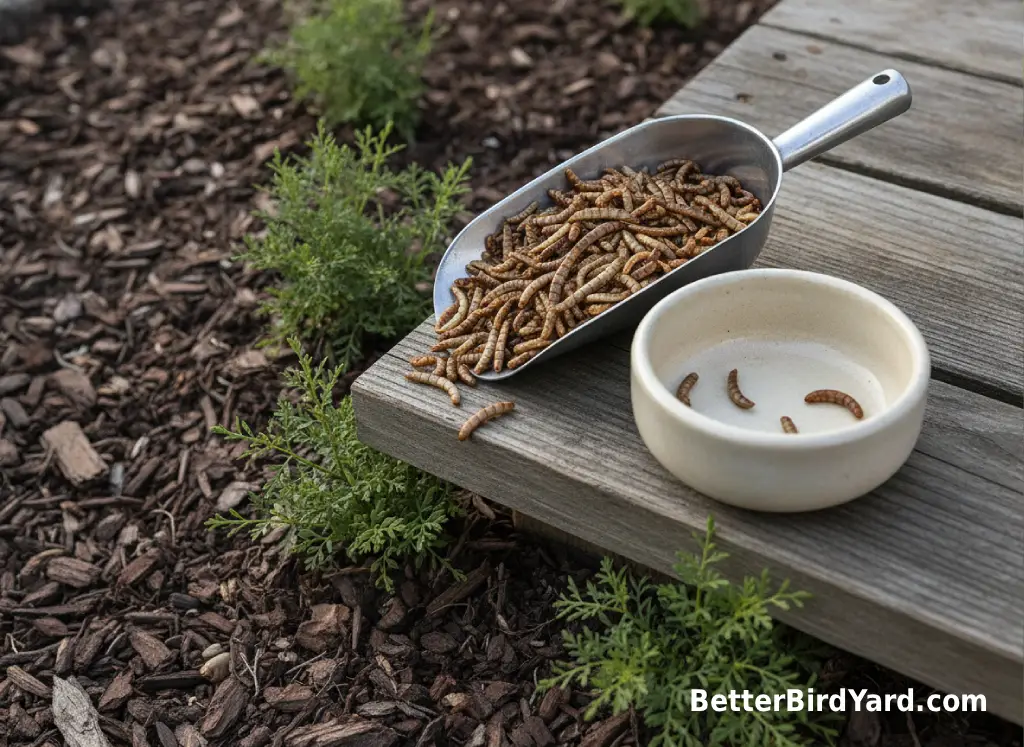
Both live mealworms and dried mealworms for birds can work, but they fit different households. Live mealworms are often more appealing to insect-eating birds because they move, but they can escape shallow dishes and require careful storage. Dried mealworms are easier for most people because they store well, are less messy, and can be sprinkled into a dish feeder or caged mealworm feeder.
| Option | Best For | Main Tradeoff |
|---|---|---|
| Live Mealworms | Bluebird-focused yards and bird watchers who can manage storage | More appealing to some birds, but they can crawl out of poorly designed feeders |
| Dried Mealworms | Beginners, renters, patios, and low-mess feeding stations | Convenient, but some birds may need time to recognize them as food |
| Soaked Dried Mealworms | Dry weather, cautious trial feeding, or birds ignoring dry pieces | Must be offered fresh and removed before they spoil |
Cornell’s All About Birds notes that both live and dried mealworms are commercially available, and also warns that live mealworms can squeeze through surprisingly small openings in some feeders. That is a small detail, but it matters if you are using a window cup or tray feeder.
Choosing A Bird Feeder For Mealworms
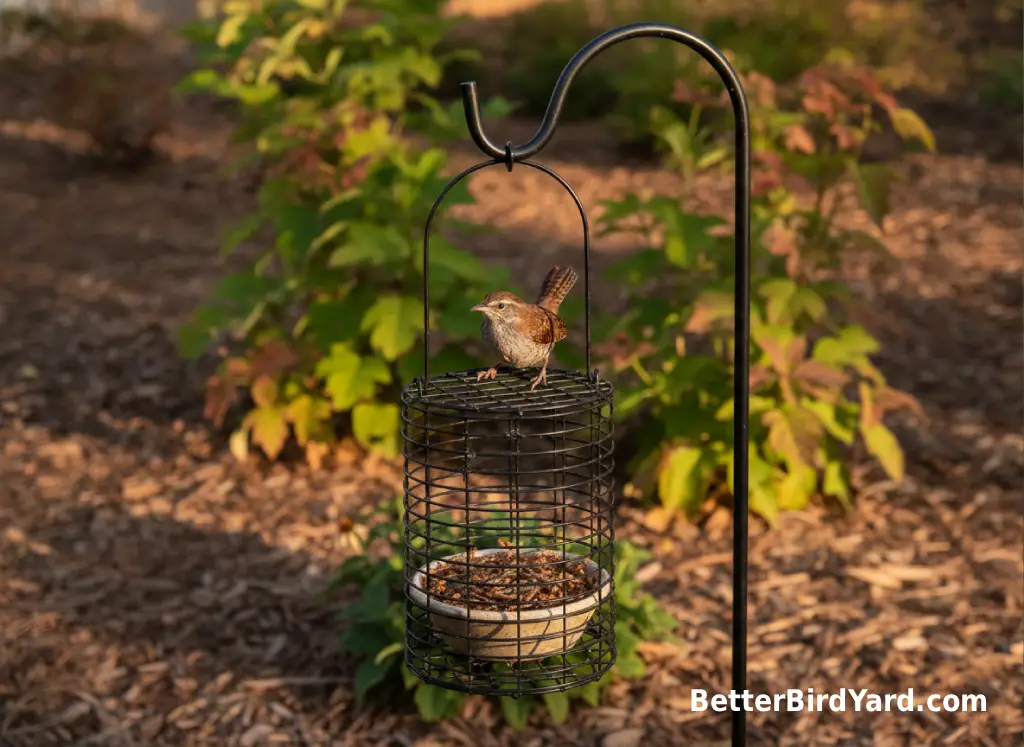
The best bird feeder for mealworms is usually small, easy to clean, and protected from rain. A shallow dish can work for dried mealworms if you are home to watch it, but a purpose-built mealworm feeder for birds is often better once birds discover the food.
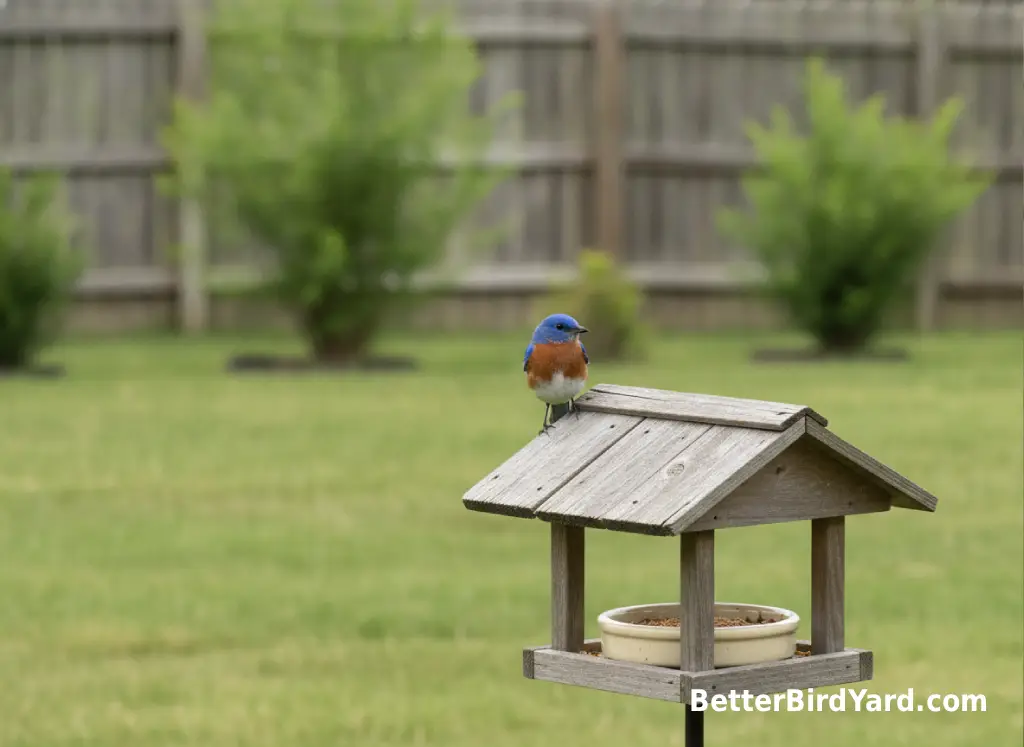
For bluebirds, many backyard bird watchers use a caged feeder with side openings or a small covered dish feeder. These are often marketed as bluebird feeders for mealworms. The idea is not that bluebirds require the color blue; it is that the feeder design can make it easier for smaller birds to feed while discouraging larger, more dominant visitors from emptying the dish immediately.
Good feeder options include:
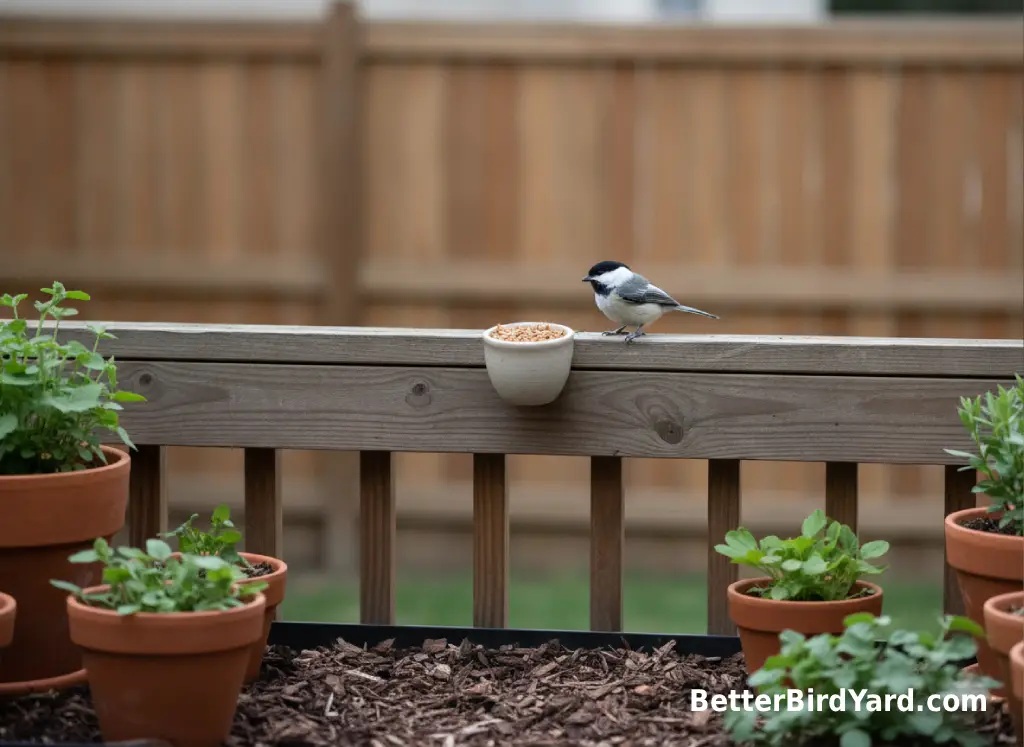
- A small dish or cup feeder for dried mealworms on a patio rail.
- A covered tray feeder that keeps rain off the food.
- A caged mealworm feeder that gives smaller birds access while slowing larger birds.
- A window feeder used carefully, with attention to collisions, cleanliness, and escape gaps.
Place the feeder where birds have some nearby cover but not a tangled hiding place for cats. Cornell’s feeder placement guidance notes that natural shelter such as trees and shrubs can give birds a resting place and refuge between feeding visits. For a deeper setup checklist, see our bird feeder placement guide.
How Much And How Often To Offer
Start with less than you think you need. A teaspoon or small pinch of dried mealworms is enough for a first test in many small yards. If birds clean it up quickly and the feeder stays calm, you can offer a little more. Leftovers are a sign to reduce the amount. When larger birds take over, change the feeder style before increasing the serving size.
Mealworms should not become an all-day buffet. Birds have complex natural diets, and bluebirds in particular still need to forage for insects and other seasonal foods. A small morning serving is often enough for casual feeding. Some people add a second small serving during cold snaps or active feeder periods, but the better habit is to observe and adjust rather than keep refilling automatically.
A simple routine works well:
- Offer a small amount in a clean dish.
- Watch which birds use it and how fast it disappears.
- Remove uneaten mealworms before they get damp or stale.
- Clean the dish often, especially after rain or heavy bird traffic.
- Pause or reduce feeding if crowding becomes a problem.
A common mistake we see is using mealworms to “train” birds to visit constantly. That may bring more activity, but it can also bring mess, competition, and dependence on a feeder that you may not want to maintain every day. Keep it modest, clean, and predictable.
Which Birds May Visit Mealworm Feeders
Mealworm feeders are most useful for birds that naturally eat insects or a mix of insects and other foods. In many US yards, the likely visitors include Eastern Bluebirds where habitat is suitable, Carolina Wrens, House Wrens, chickadees, titmice, nuthatches, and sometimes woodpeckers or other curious feeder birds.
Results vary by region, season, habitat, and local bird activity. If you live in a dense urban area or a heavily wooded yard without nearby bluebird habitat, a mealworm feeder may bring wrens and chickadees before it brings bluebirds. If you live near open lawns, meadows, parks, or edge habitat, bluebirds may be more likely to notice the feeder.
Cornell’s All About Birds describes Eastern Bluebirds as uncommon at feeders unless mealworms are provided, and notes that Western Bluebirds can also be attracted to feeders with mealworms. Project FeederWatch also lists chickadees, titmice, wrens, and nuthatches among birds that relish this food.
Do not be surprised if the first visitor is not the bird you expected. A wren that finds the feeder quickly is not a failure. It means the food is visible, accessible, and worth fine-tuning.
Clean, Store, And Serve Mealworms Safely
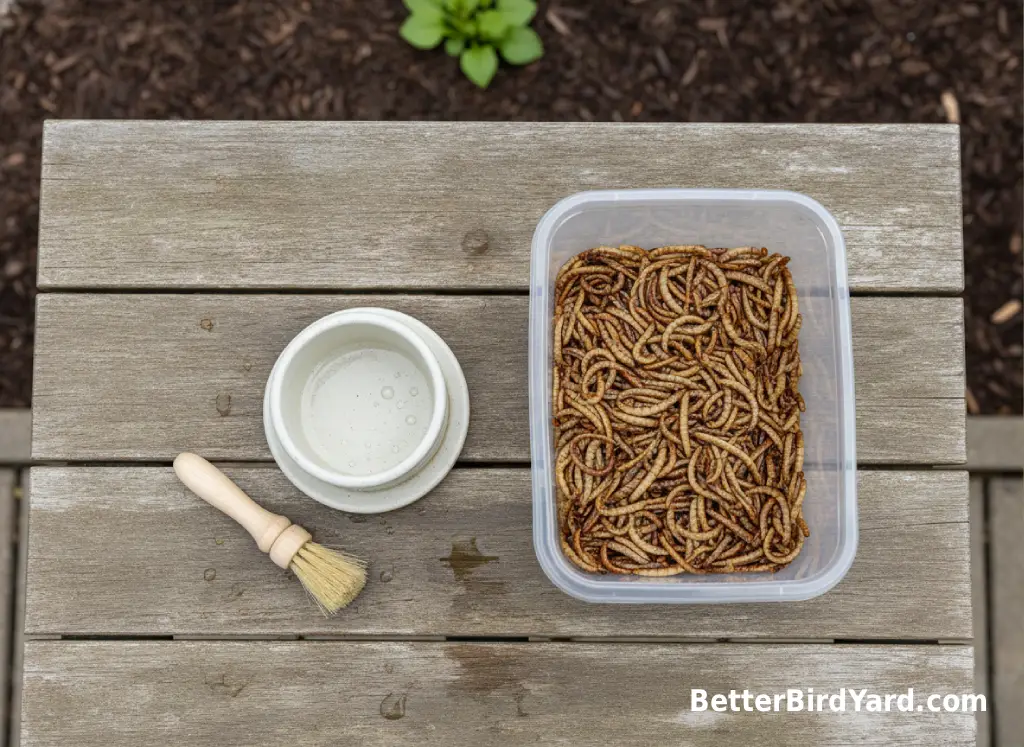
Mealworms are only helpful if the feeding station stays clean. Dried mealworms should be stored in a sealed container in a cool, dry place. Live mealworms should be kept according to supplier directions and away from household food-prep areas. Do not offer mealworms that smell bad, look moldy, are wet and stale, or have been sitting in a dirty feeder.
For the feeder itself, choose materials you can scrub easily. Smooth dishes, removable cups, and simple cage feeders are easier to maintain than rough wooden trays with cracks full of old food. Cornell recommends washing feeders regularly and drying them completely before refilling, and its classroom feeder guidance includes a cleaning routine using soapy water followed by a diluted bleach rinse. Audubon also cites National Wildlife Health Center guidance for cleaning feeders and baths with nine parts water to one part bleach after debris is removed.
Clean more often when the weather is warm, wet, or humid, and anytime the feeder has droppings, old food, or sticky residue. If you notice a bird that appears sick, unusually easy to approach, weak, or disoriented, do not try to diagnose or handle it casually. Project FeederWatch recommends removing feeders used by a sick bird for a couple of weeks and cleaning the feeders and area thoroughly; Audubon advises reporting sick or dead birds to your local state wildlife agency.
Common Mealworm Mistakes To Avoid
Mealworms seem simple, but a few small mistakes can turn them into a mess. Most problems come from offering too much, using the wrong feeder, or letting damp food sit out too long.
- Do not scatter large amounts on the ground. It can attract rodents, raccoons, or other unwanted wildlife.
- Do not leave damp mealworms out through hot afternoons or rainy weather.
- Do not keep refilling when starlings or squirrels are emptying the feeder in minutes.
- Do not use dirty dishes, cracked trays, or feeders that are hard to scrub.
- Do not assume mealworms alone will make a yard bird-friendly.
- Do not place feeders where outdoor cats can hide nearby.
The fix is usually simple: offer less, use a cleaner feeder, and move it to a safer location. If the feeder attracts the wrong crowd, try a caged mealworm feeder or bring the feeder out only during short, watched feeding windows.
Seasonal Tips For Small Yards, Patios, And Bluebird Areas
In small yards and patios, mealworms are easiest to manage when the feeding station is compact. A small dish inside a covered or caged feeder is usually better than an open tray. It limits waste, keeps portions reasonable, and makes cleanup faster.
In spring, many birds are busy nesting and feeding young, but that does not mean mealworms should be unlimited. Natural insects are still important. If you use mealworms during nesting season, keep servings modest and avoid crowding around nest boxes or high-traffic areas. In summer, heat and humidity make spoilage more likely, so offer smaller amounts and remove leftovers quickly. In winter, dried mealworms can add variety, but suet, seeds, water, shelter, and native fruiting plants may matter more depending on your local birds.
For patios and balconies, check lease rules, HOA guidelines, and local ordinances before adding feeders. Some communities restrict bird feeding because of rodents, bears, mess, or neighbor concerns. A small, clean mealworm feeder that comes indoors after feeding is often easier to manage than a large seed station.
If your goal is bluebirds, think beyond the feeder. Bluebirds tend to respond best where suitable habitat is already nearby. Mealworms may help them notice your yard, but open space, safe perches, clean water, fewer pesticides, and region-appropriate native plants are part of the bigger picture.
Short FAQ About Mealworms For Backyard Birds
Are Dried Mealworms Good For Birds?
Dried mealworms can be good as a supplemental feeder food when they are fresh, plain, stored dry, and offered in modest amounts. They are convenient for backyard bird watchers, but they should not be treated as a complete diet.
Should You Soak Dried Mealworms?
You can soak a small amount in warm water if birds are ignoring them or if conditions are very dry. Offer soaked mealworms fresh and remove leftovers promptly because damp food spoils faster.
What Is The Best Bird Feeder For Dried Mealworms?
A small covered dish, cup feeder, or caged mealworm feeder is usually best. Look for something easy to scrub, protected from rain, and sized for small portions.
Will Mealworms Attract Bluebirds?
They can, especially where bluebirds already live nearby. Cornell and Project FeederWatch both connect bluebirds with mealworm feeders, but no feeder can guarantee a species visit in every yard.
What If A Bird Looks Sick At The Mealworm Feeder?
Take the situation seriously without trying to diagnose the bird. Remove the feeder, clean it thoroughly, clean the feeding area, and check your state wildlife agency’s guidance. If a bird is injured, stunned, orphaned, or unable to fly, contact a licensed wildlife rehabilitator, local wildlife agency, animal control, or another qualified local professional.
Final Thoughts On Feeding Mealworms Responsibly
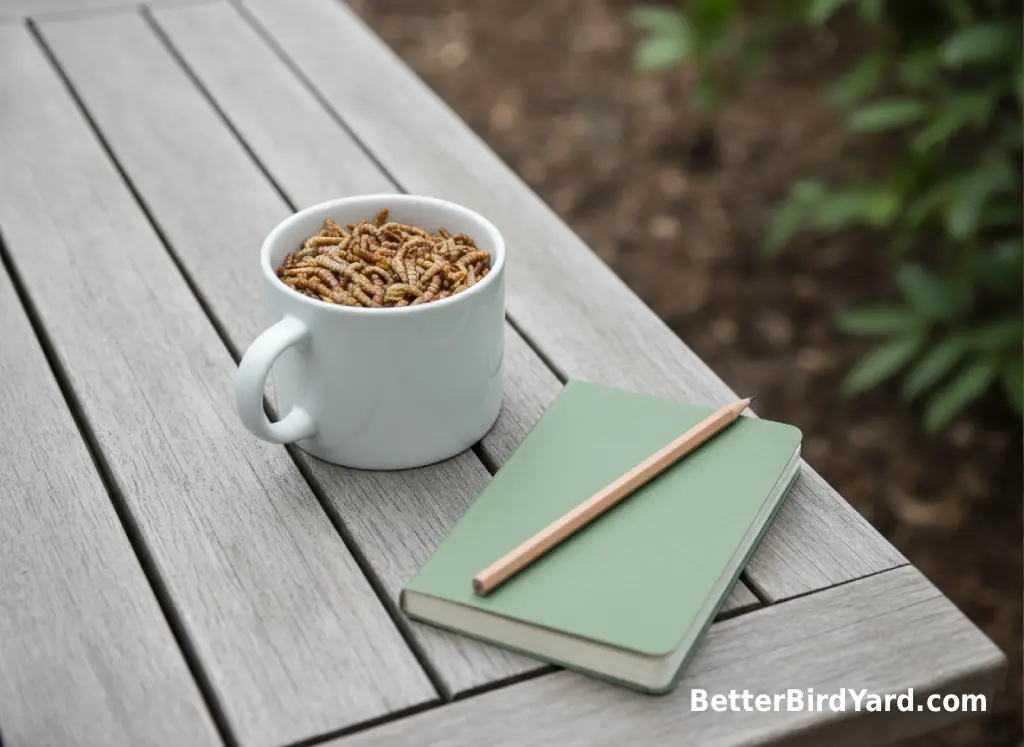
Mealworms can be a useful addition to a backyard feeding station, especially if you want to support insect-eating birds and make your feeder setup more interesting. The safest version is simple: use a clean mealworm feeder, offer small portions, keep the food dry, remove leftovers, and watch how birds respond.
Dried mealworms are the easiest starting point for most beginners. Live mealworms can work well, especially for bluebirds, but they require better feeder design and closer handling. In either case, mealworms should stay supplemental. A bird-friendly yard still depends on clean water, safe feeder placement, native plants, fewer pesticides, and a feeding routine that does not create crowding or mess.
If you only change one thing, start with portion control. A small, clean dish of mealworms offered at the right time is better than a large feeder that stays damp, dirty, or dominated by aggressive visitors. That is the BetterBirdYard approach: practical, calm, and focused on helping wild birds without making the backyard harder to manage.