Do Birds Drink Water? How Backyard Birds Find And Use Fresh Water
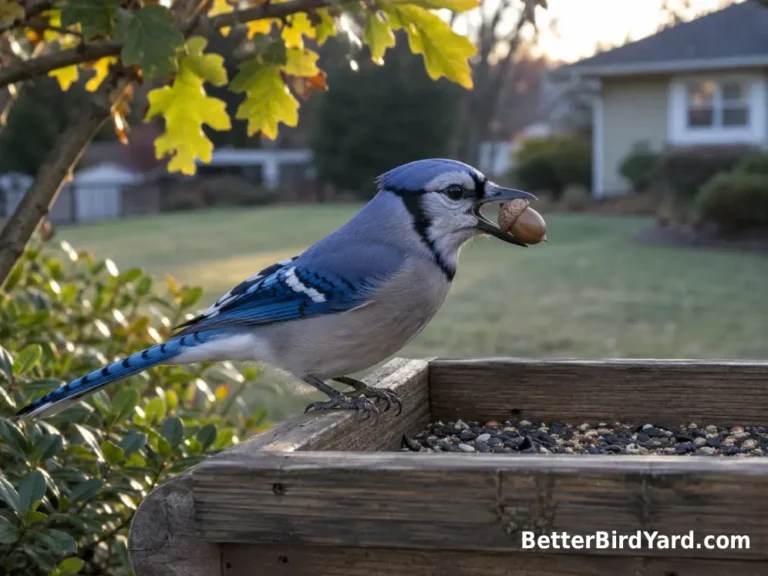
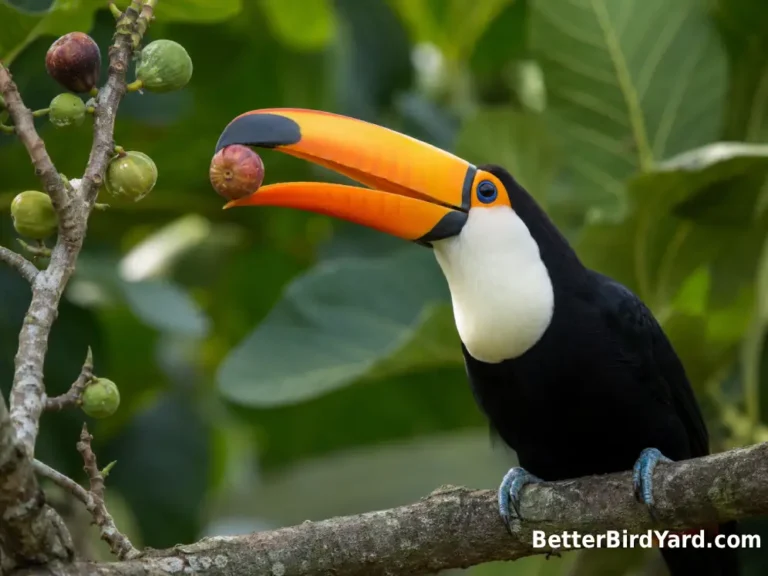
Yes, birds drink water. Most backyard birds need fresh, clean water for drinking, and many also use water for bathing and feather care. Cornell Lab’s Celebrate Urban Birds notes that most birds drink water every day and that clean bird baths can help birds in yards, patios, roof gardens, and balconies.
Water is often one of the easiest backyard bird features to overlook because feeders get most of the attention. But a simple, shallow bird bath can attract birds that may never visit a seed feeder, including insect-eating birds that are not especially interested in sunflower seed or millet. Cornell Lab’s All About Birds describes fresh water as one of the best ways to make a yard more attractive to birds.
The helpful part for backyard bird watchers is that you do not need a large pond or expensive fountain. A safe, shallow, easy-to-clean water dish can work in a suburban yard, a small patio garden, or even a renter-friendly outdoor space if local rules allow it.
Do Birds Drink Water Every Day?
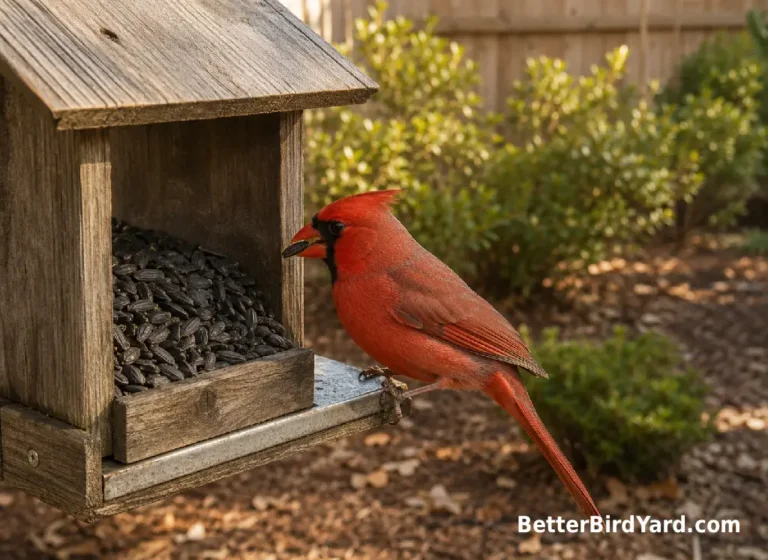
Most backyard birds drink water regularly, but how much they need varies by species, weather, diet, and season. Birds that eat dry seeds, such as finches, sparrows, cardinals, doves, and juncos, often appreciate dependable water near feeding areas. Birds that eat fruit, insects, or nectar may get some moisture from food, but that does not mean they ignore clean water.
Birds also use water for bathing. Bathing helps them clean their plumage, and after bathing they often move to a nearby branch or fence rail to preen. That preening step matters because feathers need to stay aligned and functional for flight, insulation, and waterproofing.
For a backyard watcher, the practical takeaway is simple: if you already feed birds, water is not an extra luxury. It is part of a responsible bird-friendly setup. A bird bath does not replace natural habitat, native plants, or safe feeding habits, but it can make an ordinary yard more useful to birds.
How Do Birds Drink Water?
Most birds drink by dipping the bill into water, taking a small amount, then lifting the head so gravity helps move the water down the throat. That is the familiar sip-and-tilt motion you may see from robins, chickadees, cardinals, sparrows, finches, and many other backyard birds.
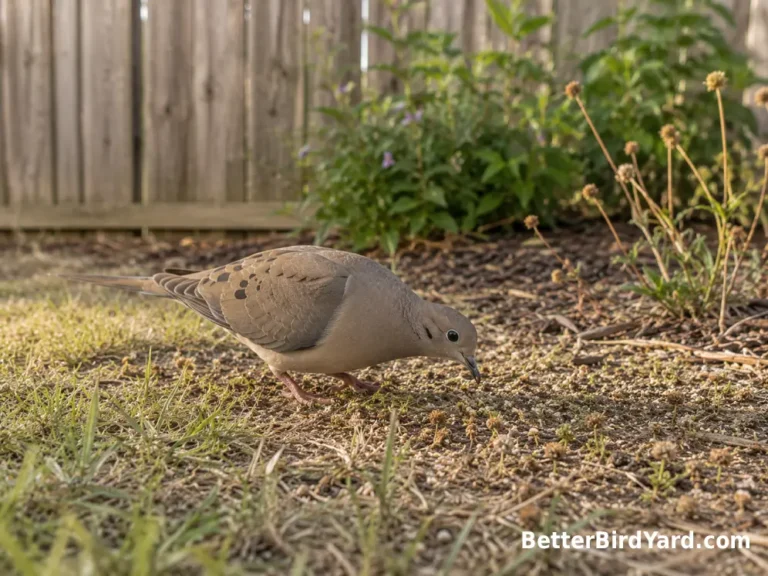
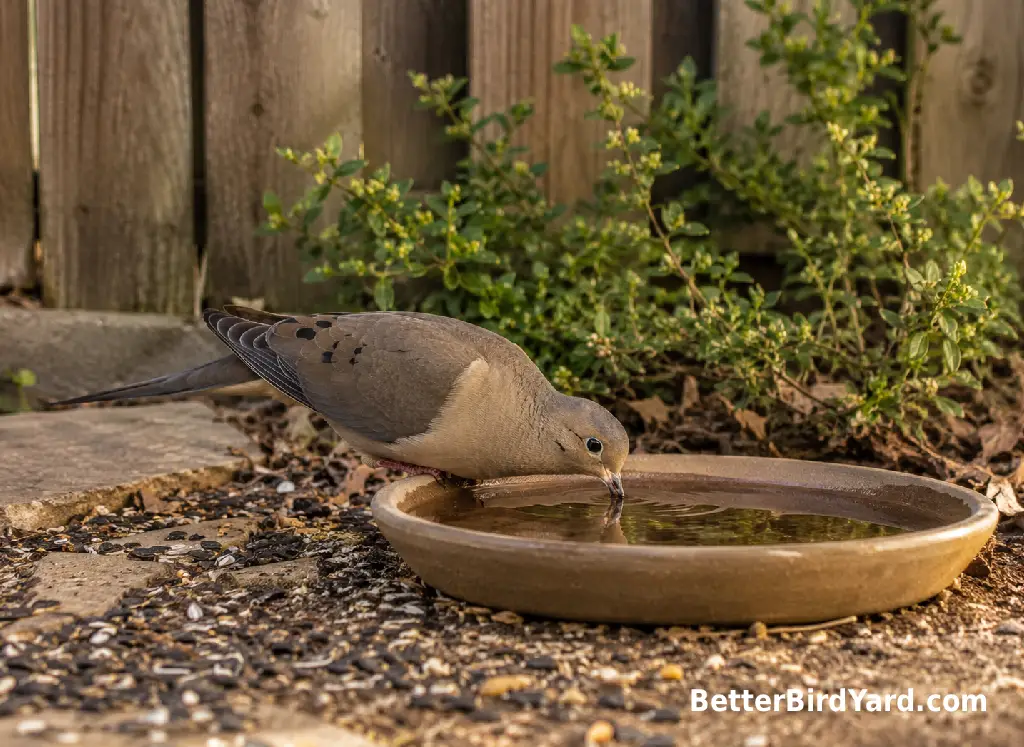
Doves and pigeons are different. Audubon notes that Mourning Doves and other members of the pigeon and dove family can suck up liquid through their beaks instead of lifting their heads back for each swallow. This is one reason a dove at a bird bath can look as if it is drinking steadily for several seconds while smaller songbirds take quick sips.
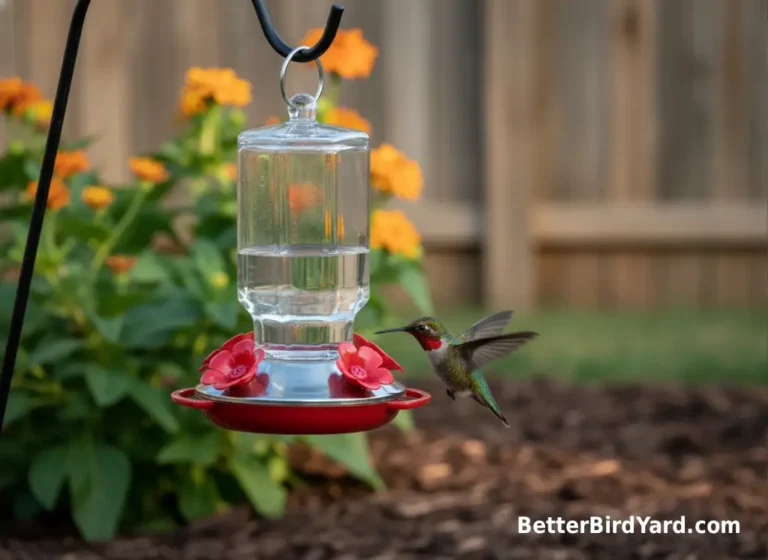
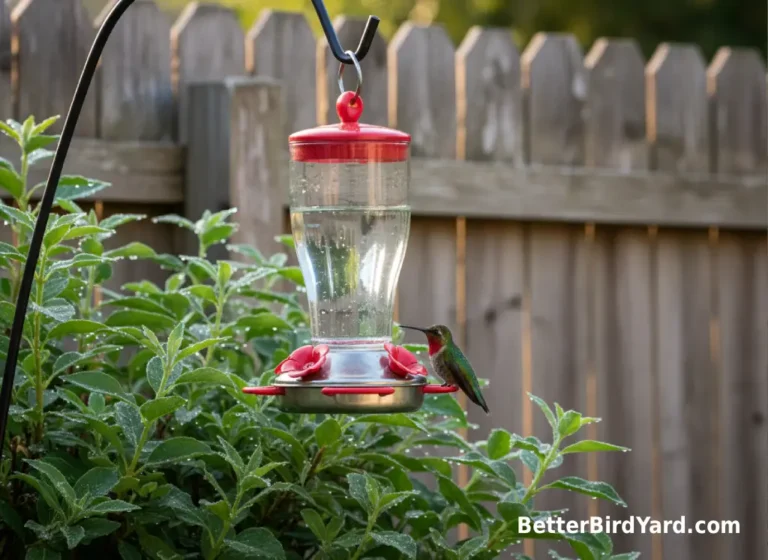
Some birds also gather water in ways you may not notice from the kitchen window. Swallows and swifts can skim water while flying over ponds or rivers, while many backyard birds drink from puddles, dew, shallow stream edges, roof runoff, irrigation drips, and bird baths.
How Birds Find Water To Drink
Birds find water by sight, sound, habit, and local movement patterns. A robin that patrols the lawn after rain may find puddles quickly. A chickadee moving through shrubs may notice a shallow dish near cover. A goldfinch may learn that a neighbor’s fountain, your bird bath, or a dripping container is a reliable stop.
Moving water can be especially noticeable. Cornell Lab suggests that dripping water can make a bird bath more attractive because many birds respond to the sight and sound of moving water. You do not need a large fountain. A small dripper, gentle bubbler, or even a carefully placed container that drips into a basin can help birds discover the bath.
Place water where birds can approach safely and where you can clean it easily. A bird bath hidden in a far corner often becomes neglected. One near a window may be easier to enjoy, but keep window-strike risk in mind and use window safety measures if birds are flying toward reflective glass.
The Best Backyard Water Setup Is Shallow, Clean, And Easy To Maintain
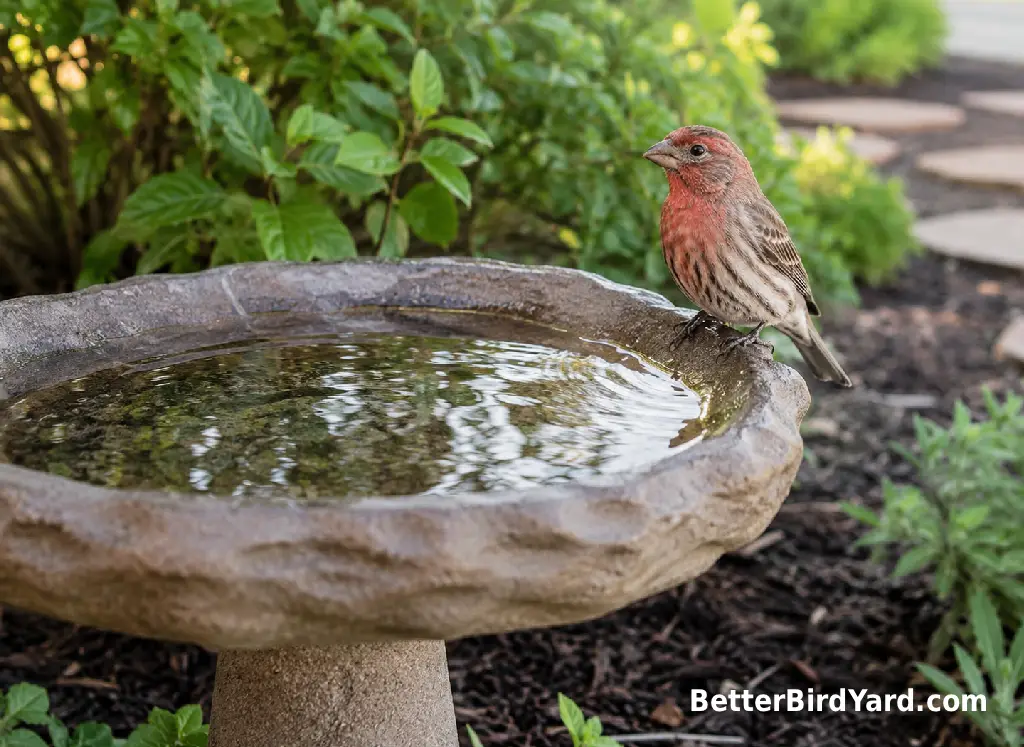
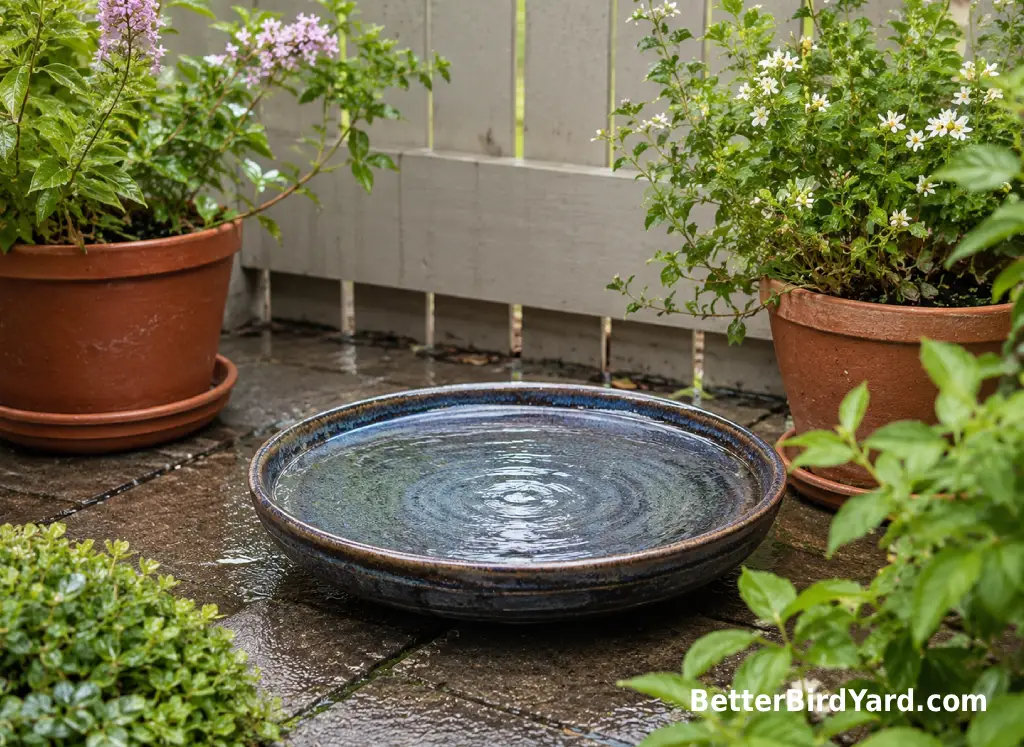
A good bird bath looks more like a shallow puddle than a deep garden urn. Cornell Lab recommends a shallow bath with a gentle slope, about 1 inch deep at the edge and no more than about 2 inches deep in the middle. That depth gives small birds a safer place to drink and bathe without forcing them into deep water.
In a small yard or patio, I would keep the setup simple:
- Use a shallow basin, plant saucer, or purpose-made bird bath that is easy to scrub.
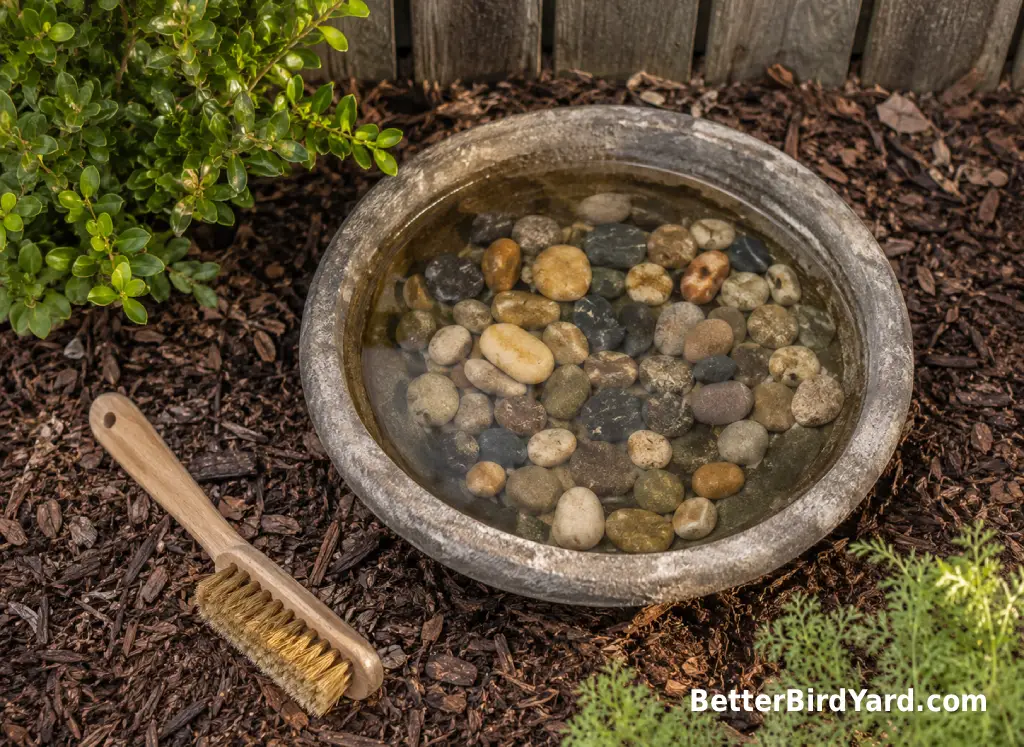
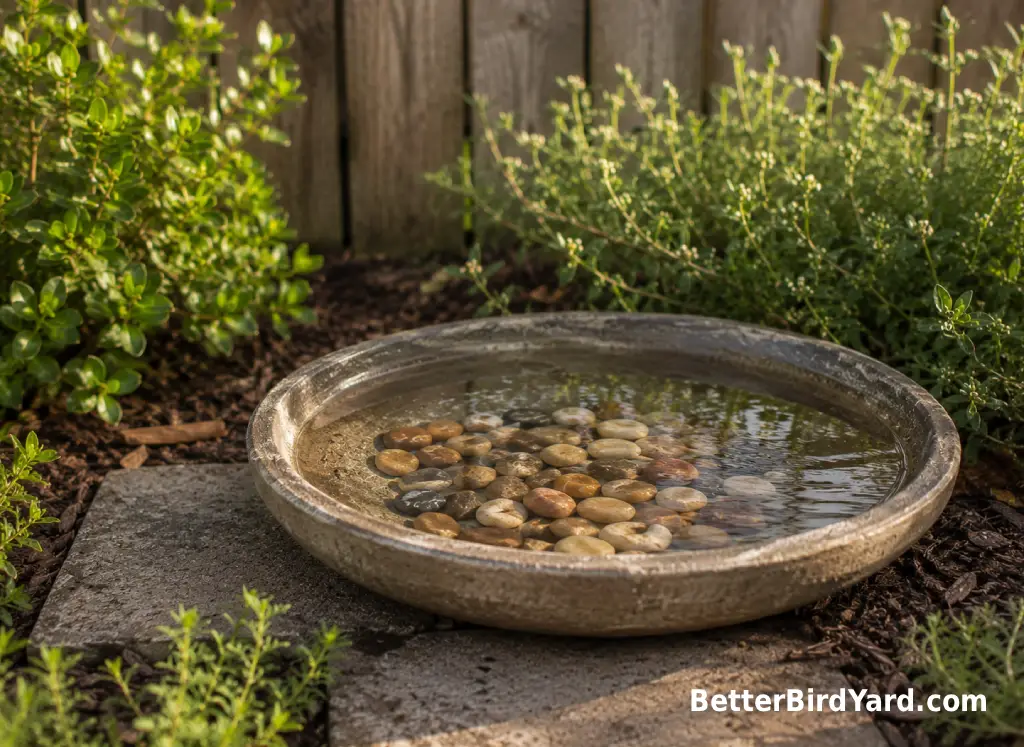
- Add a few clean stones or branches so birds can stand while drinking.
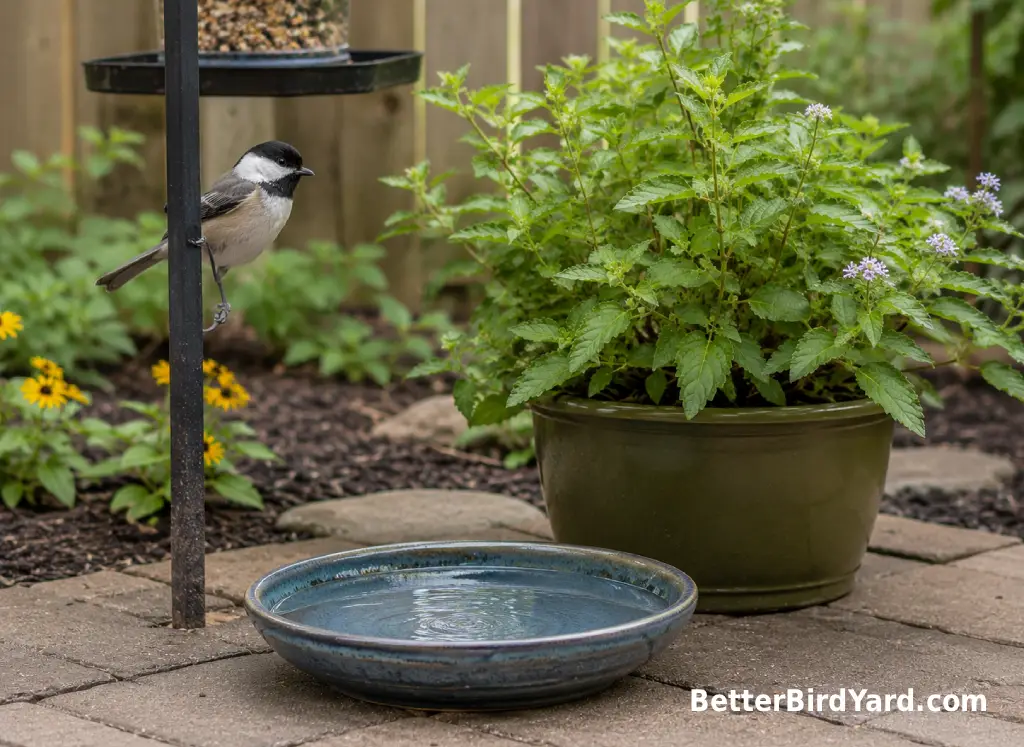
- Keep the bath near shrubs or trees for escape cover, but not tight against dense hiding places where cats may ambush birds.
- Place it where you can dump, rinse, scrub, and refill it without making the job annoying.
One common beginner mistake is choosing a bird bath because it looks pretty, then discovering it is too deep, slippery, heavy, or hard to clean. Cornell Lab notes that traditional concrete or glazed bird baths can be too deep, slippery, difficult to clean, or prone to cracking in freezing weather.
BetterBirdYard editorial note: if you only change one thing, make the water shallower. A shallow, boring-looking dish that gets cleaned often is usually more useful than a decorative bath that sits dirty for a week.
How Do Birds Drink Water In The Winter?
Birds still drink water in winter. They may use snow, ice melt, dripping gutters, unfrozen stream edges, puddles, or bird baths when available. The challenge is that natural water can freeze just when birds are using extra energy to stay warm.
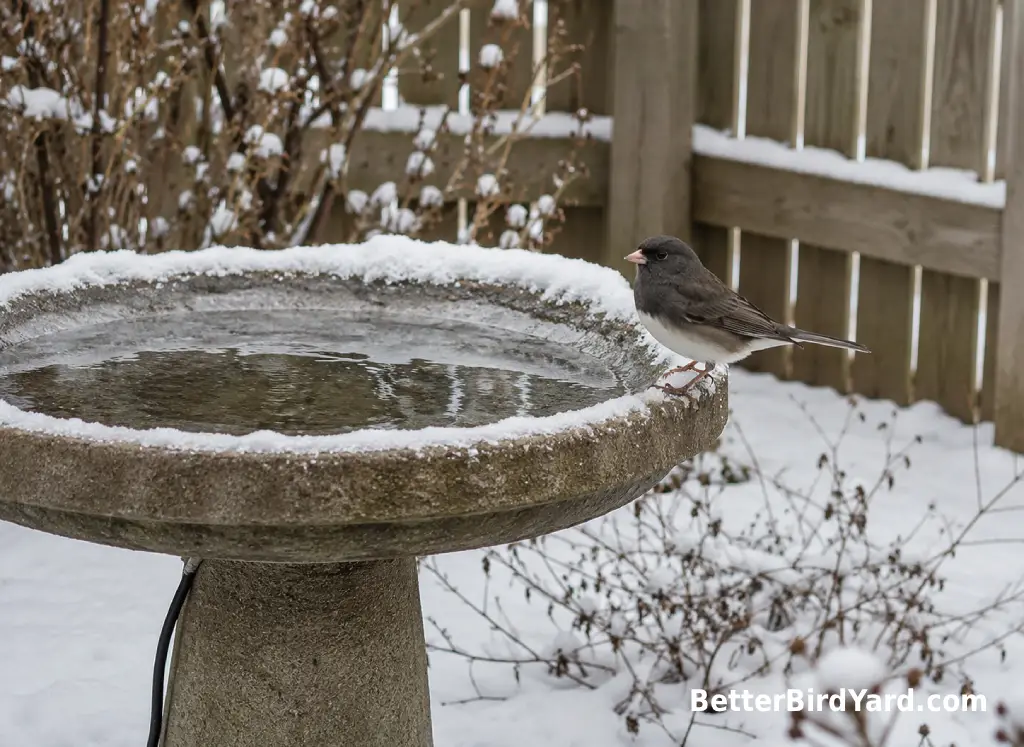
A heated bird bath or bird bath de-icer can help keep water open during freezing weather. Cornell Lab’s winter garden guidance suggests using a heated bird bath, heater, bubbler, or other water feature to help prevent ice from forming, while also changing the water frequently. The National Wildlife Federation also recommends keeping bird baths ice-free in winter with a purpose-made electric heater or by rotating thawed baths if you can check them in the morning.
If you do provide winter water, keep it shallow and give birds a place to stand. Cornell Lab recommends arranging stones or branches in the water so birds can drink without getting wet, especially during freezing weather. Wet feathers in cold weather can be risky, so winter water should be more about safe drinking access than encouraging a deep splash bath.
A few practical winter checks help:
- Use outdoor-rated equipment only, and follow the product instructions carefully.
- Check cords and connections so they stay safe, dry, and protected.
- Refresh water often, even when it stays unfrozen.
- Bring crack-prone ceramic, glass, or concrete baths indoors if freeze-thaw damage is likely.
How To Keep Bird Bath Water Fresh And Safer
Fresh water is the part that matters most. A bird bath can collect droppings, leaves, algae, seed hulls, dust, and mosquito larvae if it is ignored. Cornell Lab’s Celebrate Urban Birds recommends changing and cleaning bird bath water every couple of days, and cleaning immediately if green algae appears. The National Wildlife Federation also advises regular cleaning in warm weather, including scrubbing bird droppings and algae and changing standing water to avoid mosquito breeding habitat.
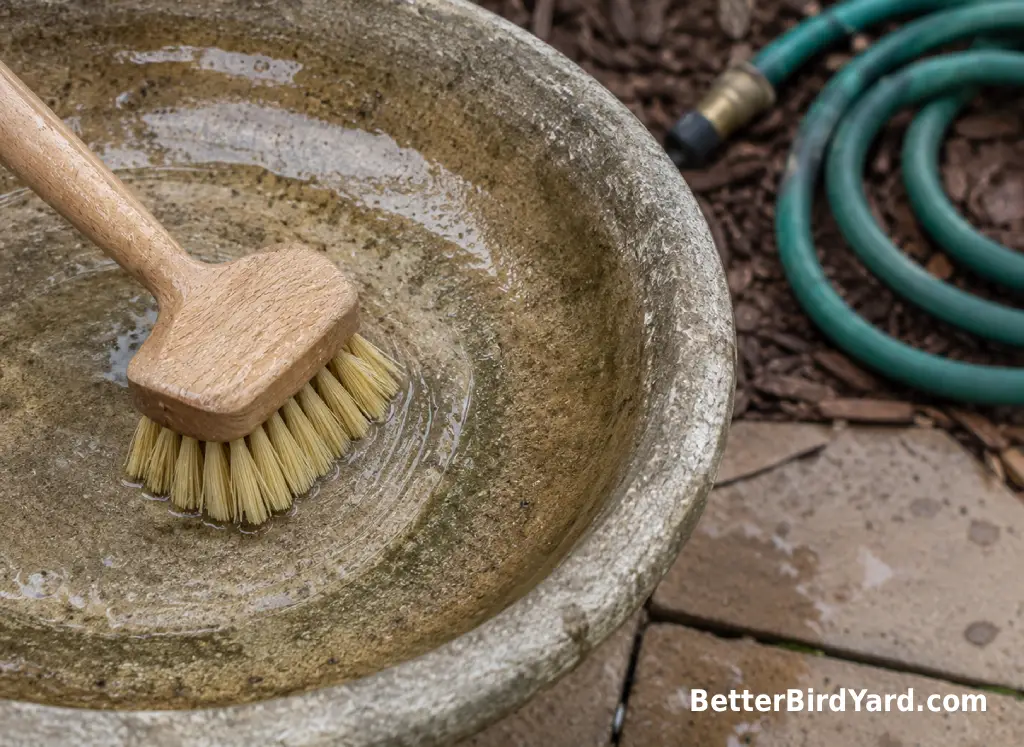
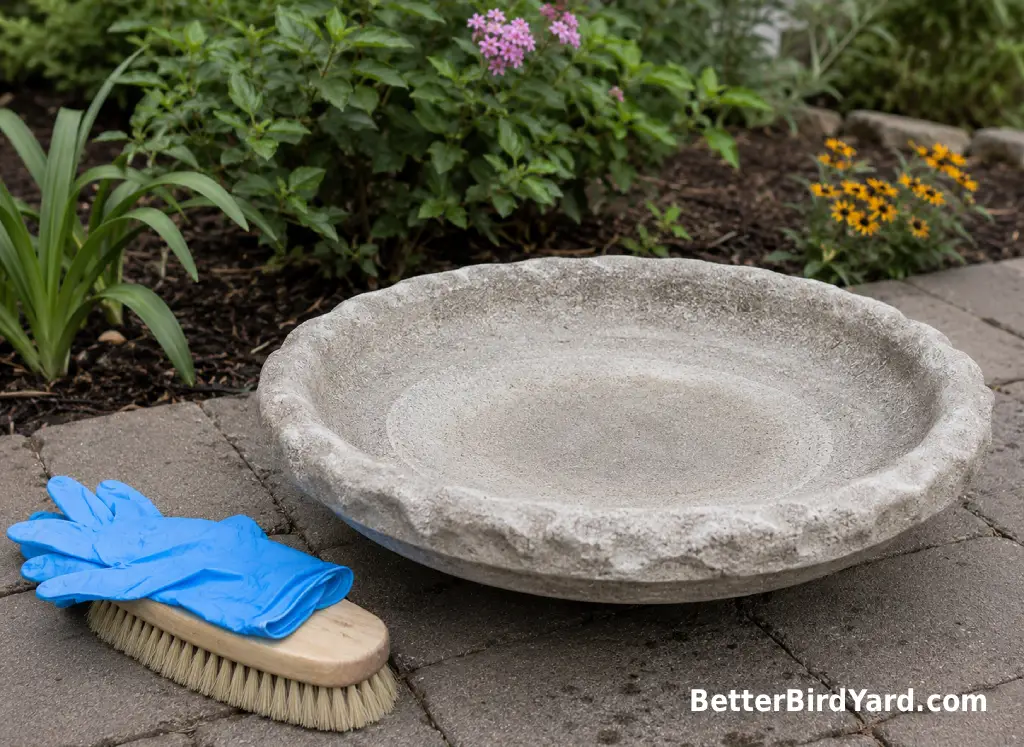
For ordinary maintenance, dump old water, scrub the basin with a stiff brush, rinse well, and refill with fresh water. If there is visible debris, heavy algae, or concern about disease, follow current guidance from reliable sources such as your state wildlife agency, Cornell Lab’s Project FeederWatch, Audubon, or USGS National Wildlife Health Center.
Audubon reports that the National Wildlife Health Center has recommended cleaning bird baths and feeders with a solution of nine parts water to one part bleach, after scrubbing off visible debris, then drying before reuse. USGS guidance during a bird mortality event similarly advised cleaning feeders and bird baths with a 10% bleach solution, rinsing with water, and allowing them to air dry.
Do not refill a bird bath that still smells strongly of cleaner. Rinse thoroughly, let it air dry when disinfecting, and keep cleaning tools separate from kitchen tools.
Common Bird Water Mistakes To Avoid
The biggest bird bath mistakes are usually simple maintenance and placement problems, not expensive equipment problems.
- Letting water sit too long: dump and refresh before it turns cloudy, stale, or algae-covered.
- Using a bath that is too deep: keep the water shallow, with stones or a sloped edge for footing.
- Putting the bath tight against dense cover: birds need escape cover nearby, but cats and other predators should not have an easy hiding place right beside the bath.
- Forgetting winter safety: avoid deep water in freezing weather, and use safe outdoor-rated heating equipment only.
- Cleaning with harsh products and poor rinsing: whatever cleaner or disinfectant is appropriate for the situation, rinse thoroughly before birds return.
- Letting seed mess fall into water: keep baths far enough from feeders that seed hulls and droppings do not constantly contaminate the basin.
Cornell Lab notes that bathing birds can be vulnerable to predators, especially cats, and recommends open ground between the bird bath and thick shrubbery if cats roam nearby. This does not mean placing water in the middle of a barren yard with no escape route. It means giving birds a clear view, nearby perches, and enough space to spot danger.
When To Pause Water Features Or Get Local Help
Most bird bath care is routine: keep it shallow, fresh, and clean. But there are times to be more cautious.
If you notice birds that appear sick, unusually weak, unable to fly normally, crusty-eyed, disoriented, or dead near your feeders or water, do not try to diagnose or treat them yourself. Audubon advises contacting a local wildlife rehabilitator or the USGS National Wildlife Health Center for instructions if you see a sick bird or one you suspect died during a disease outbreak.
During local disease advisories or unusual mortality events, follow your state wildlife agency’s current instructions. USGS has noted that birds congregating at feeders and bird baths can transmit diseases to one another, and during a specific mortality event, agencies advised temporarily stopping feeding, cleaning feeders and bird baths, avoiding unnecessary handling, and keeping pets away from sick or dead wild birds.
This is also where local context matters. City ordinances, HOA rules, drought restrictions, balcony rules, and local wildlife advisories can vary. For renters and small-space bird watchers, a simple water dish may be allowed where a permanent fountain is not, but it is worth checking before setting up anything that drips, plugs in, or could overflow.
Simple Backyard Water Plan For Beginners
If you are new to offering water for birds, start small and make the routine easy enough that you will actually keep it clean.
- Choose a shallow, easy-to-lift basin.
- Add clean stones for footing.
- Place it where birds have visibility and nearby escape cover.
- Refresh the water every couple of days, or sooner in hot weather or heavy use.
- Scrub algae, droppings, and debris before they build up.
- In winter, use safe outdoor-rated heating equipment or rotate fresh water when you can manage it.
For a small patio, the best option may be a heavy plant saucer on a stable stand. For a suburban yard, a shallow bird bath near a mulched bed or native shrub border can work well. For a balcony, check building rules first and avoid anything that drips onto neighbors below.
Water also pairs naturally with habitat. Native shrubs, leaf litter where appropriate, seed-bearing plants, and reduced pesticide use can support insects and shelter, while the bird bath supplies a dependable drinking and bathing spot.
FAQ About Birds Drinking Water
Do Birds Drink From Bird Baths Or Just Bathe In Them?
Birds do both. Many birds drink from bird baths, and many also bathe in them. A shallow bath with fresh water, clean footing, and safe placement is more useful than a deep decorative basin.
Can Birds Drink Tap Water?
In most US homes, ordinary clean tap water is a practical choice for bird baths. If your tap water is not safe for people, do not assume it is safe for birds. Use the same caution you would use for pets and follow local water advisories.
Should I Add Sugar, Salt, Antifreeze, Glycerin, Or Other Additives?
No. For bird baths, offer plain clean water. Do not add antifreeze, salt, chemicals, oils, sugar, or folk mixtures to keep water open or make it more attractive. In freezing weather, use a safe outdoor-rated bird bath heater or provide fresh water when you can.
Will A Bird Bath Attract Mosquitoes?
It can if the water sits too long. Regularly dumping, scrubbing, and refilling the bath helps prevent stagnant water from becoming mosquito habitat. The National Wildlife Federation specifically recommends changing standing water regularly for this reason.
Do Birds Need Water If I Already Put Out Feeders?
Yes, feeders and water serve different needs. Seed helps some birds supplement their diet, while clean water supports drinking and bathing. A bird bath can also bring in birds that do not normally visit seed feeders.
Final Thoughts On Offering Water To Backyard Birds
Birds drink water, and a clean shallow bird bath is one of the simplest ways to support them in an ordinary backyard. The best setup is not fancy. It is shallow, stable, easy to clean, placed with predator safety in mind, and refreshed often enough that birds are not visiting stale water.
For beginners, start with one small basin and build the habit before adding a fountain, heater, or dripper. Watch how birds approach it. Notice whether they have safe perches nearby, whether the water gets dirty quickly, and whether the placement makes cleaning easy for you.
Fresh water will not guarantee a specific species, and it is not a substitute for native habitat or responsible feeder hygiene. But it can make your yard, patio, or balcony more useful to wild birds through heat, dry spells, migration, and winter freezes. Keep it clean, keep it shallow, and let the birds show you how valuable a simple dish of water can be.