What Do Robins Eat? Inside the American Robin’s Changing Menu
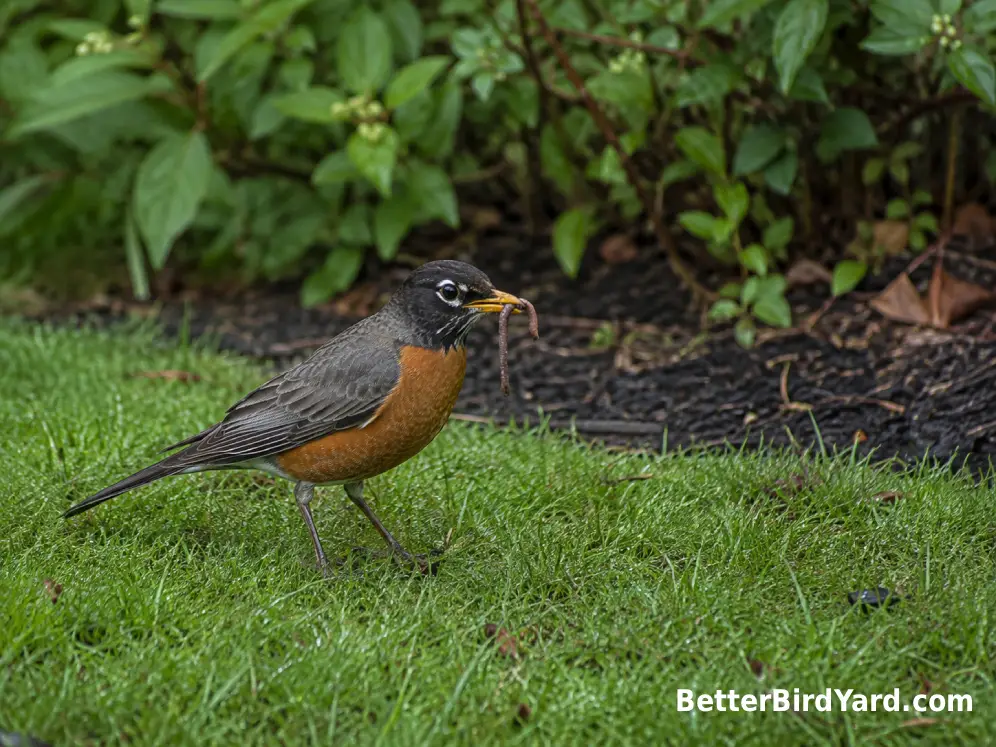
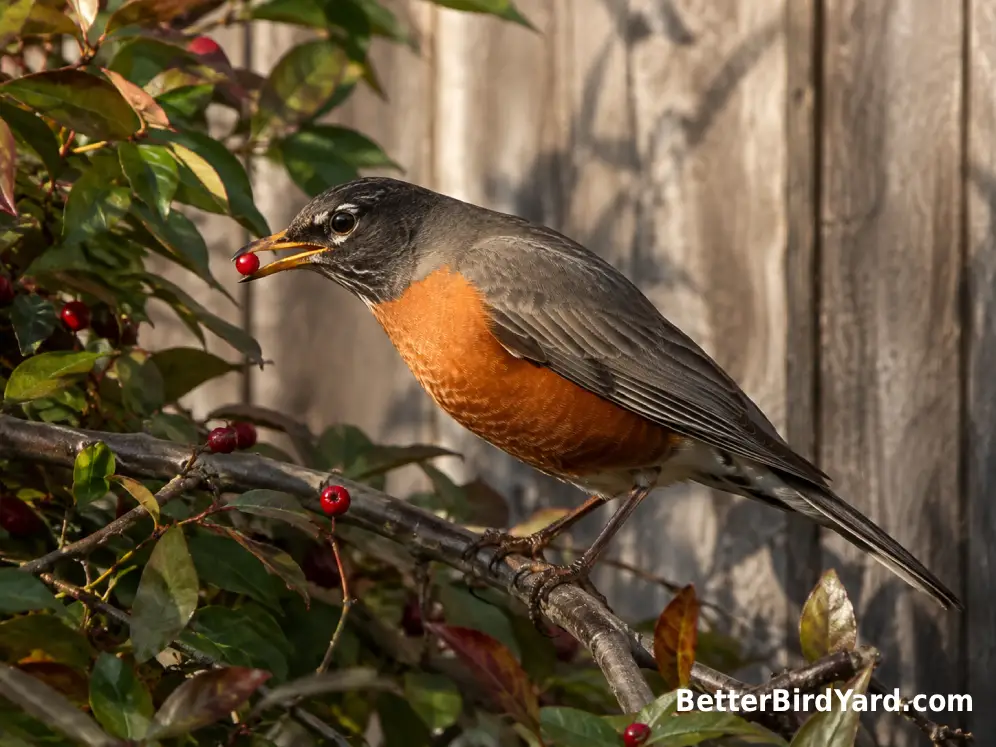
What do robins eat? American Robins eat a surprisingly varied diet built around two main food groups: invertebrates and fruit. Earthworms may be their most familiar meal, but robins also eat insects, snails, spiders, berries, and other small fruits. The balance changes through the year.
During spring and summer, robins commonly spend more time hunting worms and other invertebrates. As fall and winter arrive, fruit becomes increasingly important, and winter flocks may move from one berry-producing tree or shrub to another. Cornell Lab of Ornithology describes American Robins as eating large quantities of both invertebrates and fruit, with earthworms and insects especially important during the warmer months.
That seasonal flexibility matters if you want to support robins in a backyard. A lawn full of worms is only one piece of the picture. Fruiting plants, insect-rich garden beds, clean water, and a few carefully chosen supplemental foods can all make a yard more useful to these familiar thrushes.
The Quick Answer: Robins Eat Invertebrates And Fruit
American Robins are omnivorous in practical backyard terms: they eat both animal prey and plant foods. Their regular menu includes earthworms, insects and their larvae, other small invertebrates, berries, and fruits.
| Food Type | Examples | When It Is Especially Important |
|---|---|---|
| Earthworms | Worms found while foraging in soil and lawns | Often prominent in spring and summer |
| Insects and other invertebrates | Insects, larvae, spiders, snails | Especially important during the warmer breeding season |
| Wild fruit | Dogwood, hawthorn, chokecherry, sumac, juniper and other small fruits | Increasingly important in fall and winter |
| Optional feeder foods | Mealworms and small portions of fresh fruit | Useful as supplemental food where appropriate |
Audubon likewise describes the robin diet as mostly insects, berries, and earthworms, with young birds fed primarily insects and earthworms.
The important point is that worms are not a complete description of what American Robins eat. A robin working across your lawn in April and a winter flock stripping berries from a tree are showing two sides of the same adaptable feeding strategy.
What Do Robins Eat Besides Worms?
Quite a lot. Robins hunt a range of small invertebrates, including insects, insect larvae, spiders, and snails. They also eat many kinds of fruit. Cornell specifically lists fruits from plants such as chokecherry, hawthorn, dogwood, sumac, and juniper among foods recorded in the American Robin diet.
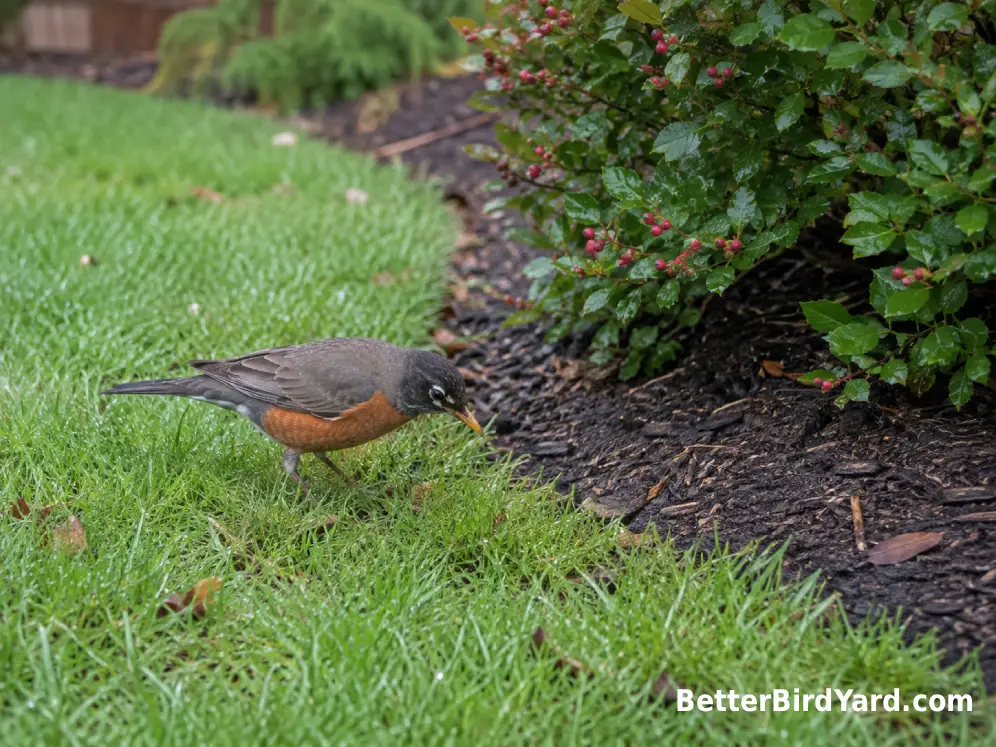
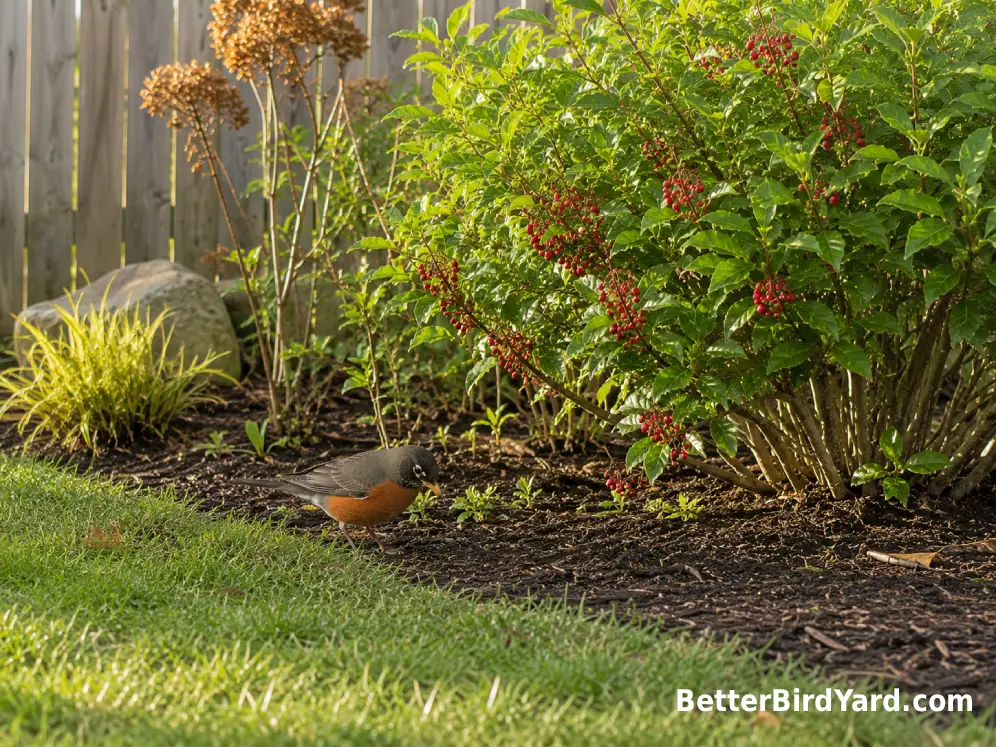
This helps explain why robins use several parts of an ordinary yard. A bird may search a damp lawn for worms in the morning, inspect a mulched bed for insects later, and move into a fruiting shrub when berries are available.
Young robins depend heavily on animal food. During nesting season, adults bring their chicks insects and earthworms rather than relying on the fruit-heavy winter menu. That protein-rich natural prey is one reason an insect-friendly garden can be more useful than simply putting more food on a feeder.
If you want to make your yard better for robins, think beyond a bowl of food. Healthy soil, leaf litter in appropriate garden beds, diverse plants, and reduced pesticide use can help preserve the small creatures robins naturally hunt.
How The Robin Diet Changes By Season
What American Robins eat is closely tied to what is available. Their menu shifts rather than staying fixed all year.
Spring And Summer
Warmer months generally bring more earthworms, insects, larvae, and other invertebrates into the robin diet. Robins spend plenty of time on open ground, using their characteristic run-stop-look pattern while searching for food. Audubon notes that insects can make up much of the diet in early summer.
This is also nesting season across much of their range, so adults have extra reason to seek invertebrate prey for growing young.
Late Summer And Fall
As fruits ripen, robins increasingly use berries and other small fruits. You may notice them spending less time spread across a lawn and more time around shrubs, trees, and woodland edges with a good fruit crop.
Winter
The shift toward fruit becomes especially noticeable. Robins may gather in flocks and move around in response to locally available berries rather than staying in one familiar lawn. Audubon and the National Wildlife Federation both describe fruit and berries as major cold-season foods.
That is why a robin disappearing from your lawn in December does not necessarily mean every robin has migrated far south. Some may still be in the broader area, concentrating around woodland habitat and fruiting plants instead.
What Do Robins Eat In The Winter?
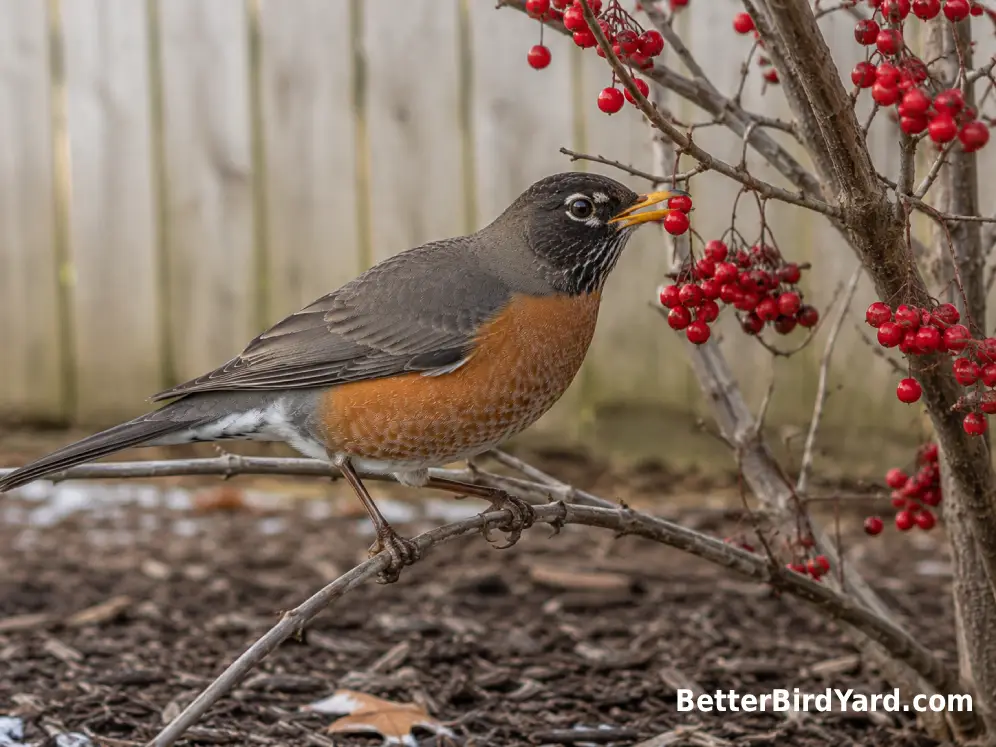
Winter robins rely heavily on fruit. Depending on where you live and what is fruiting locally, they may feed in trees, shrubs, vines, woodland edges, parks, or suburban plantings.
Winter behavior can be confusing because robins are often less obvious around lawns. Instead of seeing one or two birds hopping near the sidewalk, you may suddenly find a flock feeding in a berry-laden tree. Audubon describes winter robins as mobile birds that can follow patchy fruit crops from place to place.
For a backyard, one of the most useful long-term approaches is to grow fruiting plants appropriate to your region. Depending on local conditions, native serviceberries, dogwoods, hawthorns, junipers, hollies, or other fruiting shrubs and trees may provide food for robins and additional birds. Choose species that are actually native and suitable for your part of the US rather than treating any one plant list as nationwide advice. Audubon recommends using locally appropriate native plants because they can supply birds with both fruit and insect prey.
For a small yard or patio, even one appropriately sized native shrub can be worthwhile.
Do Robins Eat Birdseed Or Visit Feeders?
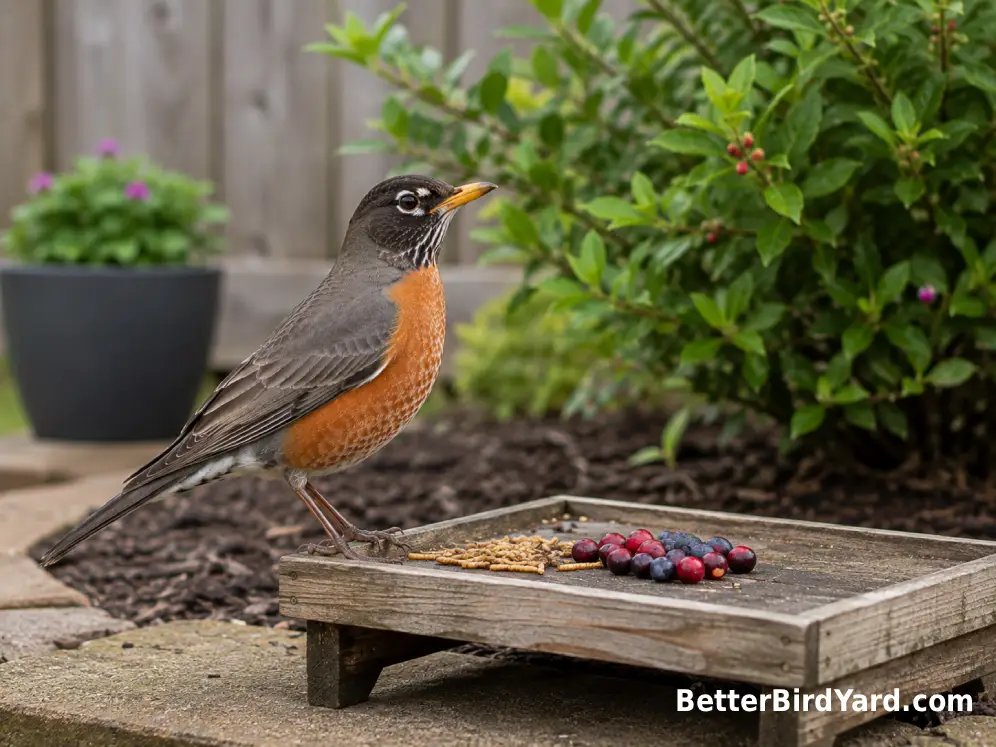
Robins are not classic seed-feeder birds in the way chickadees, finches, or sparrows are, but some American Robins do visit feeders. Cornell notes that robins may use platform or ground-feeding situations and can take foods such as fruit, mealworms, and some other feeder offerings.
If you want to try supplemental food, keep it simple:
- Offer small amounts of fresh berries or bite-size pieces of fresh apple or grape.
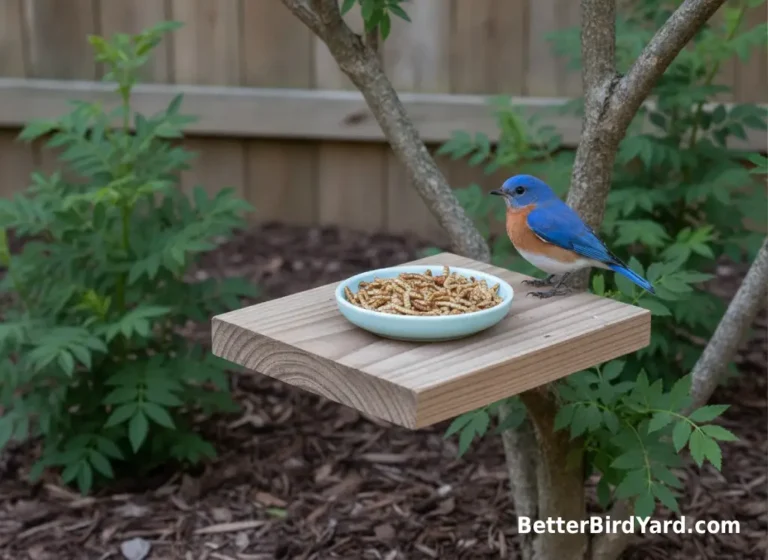
- Try commercially raised mealworms in a shallow, easy-to-clean tray.
- Use a low platform or tray if that fits your yard and does not create a rodent or nuisance-wildlife problem.
- Remove uneaten fresh food before it becomes soft, fermented, moldy, or otherwise spoiled.
- Wash the feeding surface regularly and immediately if food residue builds up.
Fresh fruit spoils much faster than dry seed, particularly in warm weather. Cornell specifically cautions that fruit offered at feeders needs frequent removal and cleaning.
BetterBirdYard note: If robins already have access to fruiting shrubs, moist soil, insects, and clean water, you do not need to persuade them onto a feeder. Natural foraging is often the easier and lower-maintenance option.
For renters or patio gardeners, a small washable tray can work where feeding is permitted, but stop if food begins attracting rats, raccoons, or other unwanted wildlife. Check lease, HOA, and local rules if feeding wildlife is restricted where you live.
How To Make A Yard More Naturally Food-Rich For Robins
The best robin-friendly yard does not need to look wild or require a large property. The useful ingredients are fairly ordinary: places to forage on the ground, plants that support insects, seasonal fruit, and dependable clean water.
A practical setup might include:
- One or two locally native fruiting shrubs suited to your space.
- A garden bed with some natural leaf litter or mulch where insects can live.
- A patch of accessible ground where robins can forage.
- A clean bird bath or shallow water source.
- Minimal unnecessary pesticide use where birds hunt for food.
Because robins frequently forage on lawns and soil, broad pesticide use deserves particular care. Cornell notes that their ground-foraging habits can expose them to pesticide hazards. Following product labels is essential, and an insect-tolerant yard also preserves more of the natural prey robins depend on.
Water can make a small space more appealing even when you cannot plant much. Keep baths clean, refresh the water regularly, and scrub away visible buildup rather than allowing stagnant, dirty water to sit. See our bird bath guide for a simple maintenance routine.
In a tiny patio garden, I would prioritize one regionally appropriate shrub and clean water before adding several specialty foods. Those features continue helping birds whether or not you are home to refill a tray.
Common Mistakes When Feeding Or Attracting Robins
The most common problem is trying too hard to turn a robin into a conventional seed-feeder bird. Robins already know how to find the foods they need. Supplemental feeding should remain exactly that: supplemental.
- Do not rely on bread or processed human snacks. They are poor substitutes for the invertebrates and fruit that make up the natural robin diet.
- Do not leave cut fruit sitting outside until it becomes fermented, moldy, or spoiled.
- Do not scatter large quantities of food across damp ground where it can spoil or attract rodents.
- Do not use pesticides casually in the same lawn and garden areas where robins are actively hunting insects and worms.
- Do not assume a missing winter robin needs emergency feeding. Birds may simply have shifted to nearby fruiting habitat.
Another beginner mistake is expecting one particular food to guarantee visits. Robin activity varies with region, season, weather, local fruit crops, nesting activity, and the amount of natural food nearby. A yard full of worms and berries may be much more attractive than a carefully stocked tray one week, while a winter flock might ignore the same yard entirely after a nearby fruit crop is exhausted.
If you ever notice birds around a feeding area that appear unusually lethargic, poorly coordinated, or visibly unwell, avoid trying to diagnose or treat them yourself. Remove and clean shared feeding and water equipment, consider pausing feeding, check guidance from your state wildlife agency, and contact a licensed wildlife rehabilitator or other qualified local wildlife professional when appropriate.
So, what do robin birds like to eat? The simplest answer is worms, insects, other small invertebrates, and fruit, with the balance changing through the seasons. In warm weather, watch the lawn and garden beds. In winter, look up into berry-producing shrubs and trees.
If your goal is to support American Robins responsibly, you usually do not need a specialized feeder. Preserve natural prey, grow suitable fruiting plants, provide clean water, use supplemental fruit or mealworms sparingly if you choose, and keep feeding areas clean. That approach works for a suburban yard, a modest rental patio, or a small garden without turning bird feeding into a complicated routine.